Skip to content
Classic Cars Online US Logo - sphere with burgundy and beige image of an antique car

Classic Cars Online US

Classic car specs, history, and market insights for collectors and enthusiasts.

  • Classic Cars: History, Specs, Models and More
  • Blog
  • Antique Cars
  • Classics
    • Auto & Truck Interiors
    • Classic Car Specs Sheets
  • Customs
    • Rat Rods
    • Street Rods
  • Muscle Cars
    • Chrysler Muscle Cars
    • Ford Muscle Cars
    • GM Muscle Cars
    • International Muscle Cars
  • Sports Cars
  • Trucks
  • The Shop
  • About
    • Automotive Content & Marketing Services
    • Contact Info
  • Toggle search form
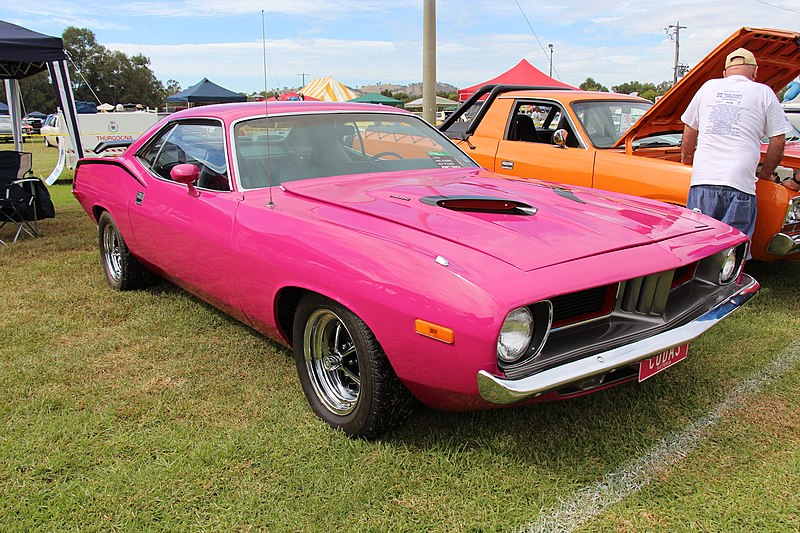
1972 plymouth barracuda

3rd Generation Plymouth Barracuda: 3 Fascinating Facts You Might Not Know

Posted on February 25, 2025February 25, 2025 By Laure

The Plymouth Barracuda has long been celebrated as one of America’s most iconic muscle cars.

While it may not have received the same level of recognition as some of its contemporaries like the Ford Mustang or Chevrolet Camaro, the 3rd generation Barracuda (1970-1974) represents a high-water mark in classic American automotive design and performance.

This completely redesigned model finally stepped out of the shadow of the Plymouth Valiant, which had shared its platform with earlier generations, and established its own distinctive identity in the muscle car pantheon.

Let’s dive into some fascinating facts about this legendary machine that even dedicated car enthusiasts might not know!

Fact #1: Designed Around the Hemi

The 3rd generation ‘Cuda was actually designed with the legendary 426 Hemi engine in mind from the very beginning.

Unlike many cars that receive engine upgrades as afterthoughts, Plymouth engineers specifically widened the engine bay to accommodate this monstrous powerplant. The 426 Hemi produced an eye-watering 425 horsepower, making the ‘Cuda Hemi one of the most formidable muscle cars of its era.

This forward-thinking approach to design ensured perfect integration of the massive engine without compromising the car’s balance or styling.

Fact #2: A Surprisingly Brief Production Run

Despite its impressive performance credentials and stunning design, the 3rd generation Barracuda had one of the shortest production runs among classic muscle cars. Several factors contributed to its abbreviated lifespan:

  • Tightening emissions regulations in the early 1970s
  • The global oil crisis of 1973
  • Rising insurance premiums for high-performance vehicles
  • Changing consumer preferences toward more economical cars

Due to this perfect storm of challenges, Chrysler pulled the plug after just 4 model years (1970-1974), making these cars particularly rare treasures today.

This abbreviated production run has only enhanced their collectability and mystique among enthusiasts.

Fact #3: Year-Specific Design Elements

The 1971 ‘Cuda featured distinctive “gill” side markers that were exclusive to that model year only. These unique styling elements make it incredibly easy for knowledgeable enthusiasts to spot a ’71 model at a glance.

This kind of year-specific detail adds to the car’s character and represents the rapid evolution of automotive design during this golden era of American muscle cars.

The 3rd generation Plymouth Barracuda represents a perfect moment in American automotive history—when style, performance, and engineering excellence converged to create something truly special.

Though its time in production was brief, the legacy of the ’70-’74 ‘Cuda lives on in the hearts of collectors and enthusiasts who recognize its significance as both a performance machine and a work of art.

Want to see more automotive gems and connect with fellow classic car enthusiasts? Join us on our Facebook page and follow us on NewsBreak to see our daily updates!

Click here to join our Facebook group — Classic Cars Online US: Classic Cars for Sale
Classic Chryslers, Mopar Muscle, Muscle Cars

Post navigation

Previous Post: The Second-Generation Plymouth Barracuda (1967-1969): Muscle Car Evolution
Next Post: AMC Javelin: American Muscle Car Legend
How Others See My Car vs How I See My Car T-shirt How Others See My Car vs How I See My Car pullover hoodie Working Trucks From Around the World coloring book Classic Truck Activity Book with coloring pages, word searches, and crosswords How Others See My Car vs How I See My Car crossbody bag How Others See My Car vs How I See My Car coffee mug How Others See My Car vs How I See My Car throw pillow How Others See My Car vs How I See My Car raglan baseball tee How Others See My Car vs How I See My Car long sleeve T-shirt Elegant Red Street Rod T-Shirt short sleeve T-shirt
  • Working Trucks Through History: The Machines That Keep the World Moving
  • The History of Hearses and Flower Cars: Facts Classic Car Fans Will Love
  • Waltham-Orient Model B R: A Sassy 1907 Runabout That Packed a Lot Into 600 Pounds
  • 1907 Autocycle Runabout: A 6-HP, 400-Pound Automobile
  • The 1907 Albany Run-a-bout Model 3: Twice the Cylinders for $50 More

Contact Info

  • LaureJ@consultant.com
  • (419) 210-8328
  • Classic Cars Online US is an online-only venue for classic car enthusiasts to find information and have discussions about classic cars.
  • Working Trucks Through History: The Machines That Keep the World Moving
  • The History of Hearses and Flower Cars: Facts Classic Car Fans Will Love
  • Waltham-Orient Model B R: A Sassy 1907 Runabout That Packed a Lot Into 600 Pounds
  • 1907 Autocycle Runabout: A 6-HP, 400-Pound Automobile
  • The 1907 Albany Run-a-bout Model 3: Twice the Cylinders for $50 More

Search ClassicCarsOnline US

Write for Classic Cars Online US

Resources

  • Automotive Glossary
  • Classic Car History
  • Restoration Guides
  • Classic Car Buying Guides

Classic Car Topics

  • Maintenance & Care
  • Classic Car Values
  • Ownership
  • Car Culture

Connect

  • Contact Us
  • Write for Us
  • About Us

Copyright © 2026 Classic Cars Online US.

Powered by PressBook WordPress theme