
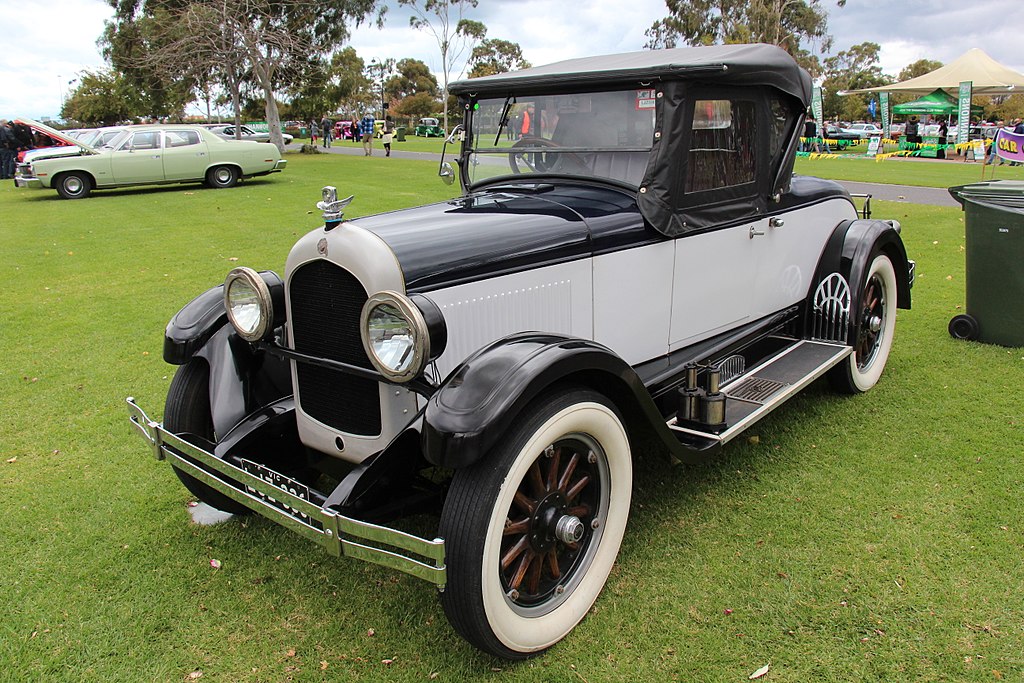
Classic Cars Online US maintains a growing library of factory classic car specs sheets for iconic makes and models. Whether you’re restoring, authenticating, or just researching, find the numbers you need below.

These iconic vintage vehicles, are true testaments to the artistry and innovation of their respective eras and have captured the imagination of collectors worldwide.
Classic Car Specification Sheets: Your Guide to Factory Details
Specification sheets, often called “spec sheets” or “factory specs,” are detailed documents that outline the original technical information, measurements, and features of vehicles as they left the factory. These valuable resources help enthusiasts restore, maintain, and authenticate classic cars by providing precise factory specifications and production details.
Why Specs Sheets Matter
For both novice and experienced collectors, classic car specs sheets provide the foundation for any serious restoration or maintenance work. These documents serve as the definitive reference for returning a vehicle to its original condition and ensuring proper operation.
- Authenticate original features and options
- Guide accurate restorations
- Verify matching numbers components
- Determine correct paint colors and trim
- Identify factory-correct parts
- Understand production variations
- Assess vehicle value and rarity
What’s In a Spec Sheet
Basic Vehicle Information
Every classic car has a unique identity established by its manufacturer. These fundamental details help identify the exact model and its place in the production timeline, which is crucial for both restoration and valuation purposes. The basic information section of a spec sheet provides the foundational details that distinguish one model variant from another.
- Model year and production dates
- Body styles and codes
- Factory color options
- Interior trim combinations
- VIN number decoding
- Production numbers
- Assembly plant information
Engine Specifications
The heart of any vehicle is its engine, and factory specifications for engines are incredibly detailed. Understanding these specifications is essential for proper maintenance, troubleshooting, and restoration work, as even small deviations from factory specs can affect performance and reliability.
- Engine displacement
- Compression ratio
- Horsepower and torque ratings
- Carburetor specifications
- Camshaft specifications
- Firing order
- Oil capacity and type
- Cooling system capacity
- Factory tune-up specifications
Transmission Details
The transmission system is crucial for translating engine power into usable motion. Factory specifications for transmissions include both mechanical details and operational parameters that are essential for proper function and maintenance. This information helps ensure correct operation and aids in troubleshooting transmission issues.
- Available transmission options
- Gear ratios
- Shift points
- Fluid capacities
- Clutch specifications
- Driveshaft details
Chassis Information
The chassis forms the foundation of any vehicle, determining its handling, ride quality, and safety characteristics. These specifications are particularly important for restoration work and maintenance, as they affect everything from tire wear to steering response. Original chassis specs help ensure the vehicle handles and performs as intended by the manufacturer.
- Suspension specifications
- Steering system details
- Brake specifications
- Wheel and tire sizes
- Track width
- Wheelbase
- Ground clearance
- Curb weight
Electrical System Info
A vehicle’s electrical system is complex and interconnected, requiring precise specifications for proper operation. Original electrical specifications help ensure everything from the ignition system to the accessories works correctly and safely. These details are especially important when upgrading or troubleshooting electrical components.
- Battery specifications
- Alternator/generator output
- Ignition timing
- Spark plug type and gap
- Light bulb specifications
- Fuse ratings
Body Dimensions
Accurate body measurements are crucial for restoration work and parts fitting. These specifications help ensure body panels align correctly and replacements parts fit properly. They’re also essential for authenticity verification and can help identify unauthorized modifications or repairs.
- Overall length, width, height
- Interior dimensions
- Trunk/cargo capacity
- Fuel tank capacity
- Panel specifications
- Glass specifications
- Weatherstrip details
Factory Options
Understanding original factory options is crucial for both restoration accuracy and vehicle valuation. Manufacturers often offered various packages and individual options that could significantly affect a vehicle’s features and value. Knowing which options were available helps authenticate original equipment and determine the rarity of specific configurations.
- Available packages
- Optional equipment
- Dealer-installed accessories
- Regional variations
- Special editions
Using Specification Sheets
For Restoration
Proper use of specification sheets during restoration ensures accuracy and authenticity in your project. These documents provide the roadmap for returning a vehicle to its original condition, from mechanical specifications to cosmetic details.
- Verify correct components
- Match factory colors and materials
- Set proper adjustments
- Order correct replacement parts
- Maintain historical accuracy
For Authentication
Authentication requires careful attention to detail and thorough documentation. Specification sheets provide the baseline for determining a vehicle’s originality and confirming its authentic features.
- Verify numbers matching status
- Identify correct date codes
- Confirm factory options
- Validate production details
- Document originality
For Maintenance
Regular maintenance benefits from the precise information found in factory specifications. These details help ensure service work meets original standards and maintains the vehicle’s value.
- Set proper clearances
- Use correct fluids and capacities
- Follow tune-up specifications
- Match replacement parts
- Maintain factory settings
Finding Reliable Spec Sheets
Sourcing accurate specification information requires accessing trusted resources and documentation. The quality of your restoration or maintenance work depends on the reliability of your reference materials.
- Factory service manuals
- Original dealer documentation
- Manufacturer archives
- Recognized marque experts
- Owner’s clubs and registries
- Certified appraisers
- Restoration specialists
Understanding Factory Tolerances
Factory tolerances represent the acceptable range of variations in measurements and specifications. Understanding these ranges is crucial for proper restoration and maintenance work.
- Acceptable measurement ranges
- Assembly tolerances
- Wear limits
- Adjustment specifications
- Performance parameters
Special Considerations
Limited Production Vehicles
Special production vehicles often have unique specifications that differ from standard models. Understanding these differences is crucial for proper restoration and authentication.
- Special edition specifications
- Production changes
- Regional variations
- Factory modifications
- Prototype differences
Racing and Competition
Competition vehicles require additional attention to their unique specifications and modifications. These details help maintain both performance and historical accuracy.
- Special equipment packages
- Competition preparation specs
- Homologation details
- Performance modifications
- Track requirements
Common Spec Sheet Mistakes to Avoid
Understanding potential pitfalls helps ensure accurate use of factory specifications. Even experienced restorers can encounter these common issues when working with spec sheets.
Misinterpreting Model Years
Production timing and changes can create confusion when working with specification sheets. Careful attention to dates and production details helps avoid common mistakes.
- Mid-year production changes
- Calendar year vs. model year differences
- Undocumented factory modifications
- Build date verification requirements
- Production sequence variations
Confusion Over Regional Variations
Different market requirements led to variations in vehicle specifications. Understanding these differences is crucial for accurate restoration work.
- Market-specific modifications
- Export model variations
- Compliance requirements
- Equipment differences
- Performance adjustments
Overlooking Running Production Changes
Manufacturers frequently modified specifications during production runs. Tracking these changes ensures accuracy in restoration work.
- Documented updates
- Undocumented modifications
- Production date verification
- Component compatibility
- Assembly variation tracking
Mixing Standard and Optional Equipment
Clear understanding of standard and optional features helps maintain authenticity. Proper documentation prevents confusion between different equipment levels.
- Package verification
- Option code checking
- Standard feature identification
- Dealer addition documentation
- Market-specific options
Relying on Unofficial Sources
Quality of information sources directly affects restoration accuracy. Verification of specifications through multiple reliable sources ensures better results.
- Factory documentation priority
- Expert source verification
- Forum information validation
- Multiple source cross-checking
- Updated information tracking
Understanding and using factory specification sheets is essential for any serious classic car enthusiast. Whether you’re maintaining, restoring, or authenticating a classic vehicle, having access to accurate factory specifications ensures your project stays true to its original form while meeting proper mechanical requirements.
Classic Car Specs Sheets in Our Library
Need to Know Specs List of the Legendary Acura TSX
Don’t see the classic car information you’re looking for?
If you feel inspired to leave a comment, please reach out through our contact form.