
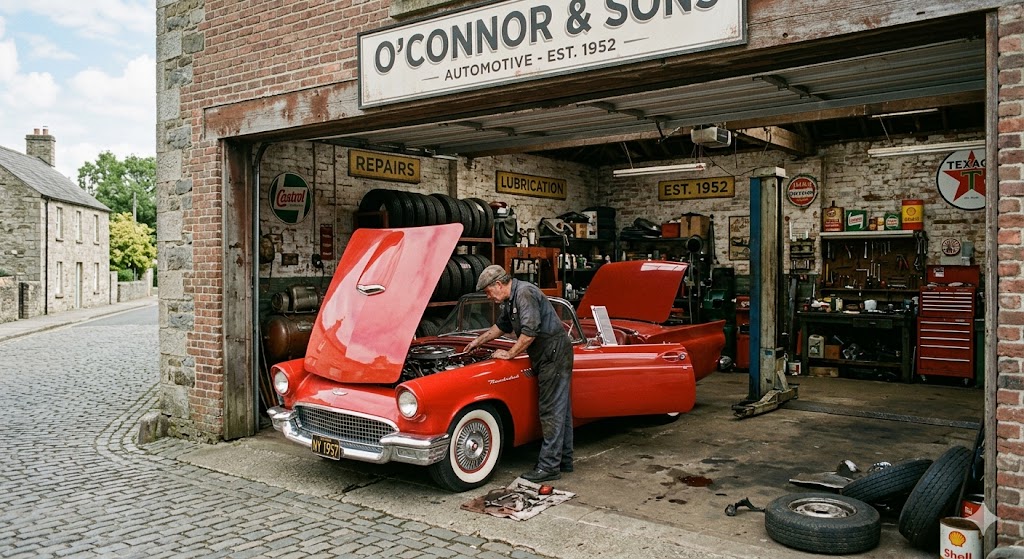
By: Jordan McDowell
Owning a classic car comes with a tradeoff: timeless style and constant maintenance. The problem is, many of the most expensive issues aren’t obvious at first. They build slowly, often going unnoticed until something fails at the worst possible time.
These are the classic car maintenance problems owners tend to overlook, and how to catch them early before they turn into costly repairs.
Below, you’ll find a selection of common maintenance issues that vintage car owners can easily overlook. Best of all, if you understand these potential problems, you’ll spend less money on exorbitantly priced repairs and be able to install more quality of life improvements, like new lift support struts.

Importance of Classic Car Maintenance
Whether you own just one classic car that holds sentimental significance or you are a collector who enjoys having a selection of beautiful, historic machines, there is one issue that every vintage car owner can’t avoid: classic car maintenance. This is just a fact of life that comes along with owning and collecting vehicles that are decades old.
Some of the issues are immediately noticeable. Perhaps there’s some visible rust that needs to be addressed. However, there are other maintenance issues that can be a true headache for classic car owners that can easily be overlooked. Once you recognize what those potential problems might be, you could actually save yourself a massive headache down the road.
Replace the Fluids
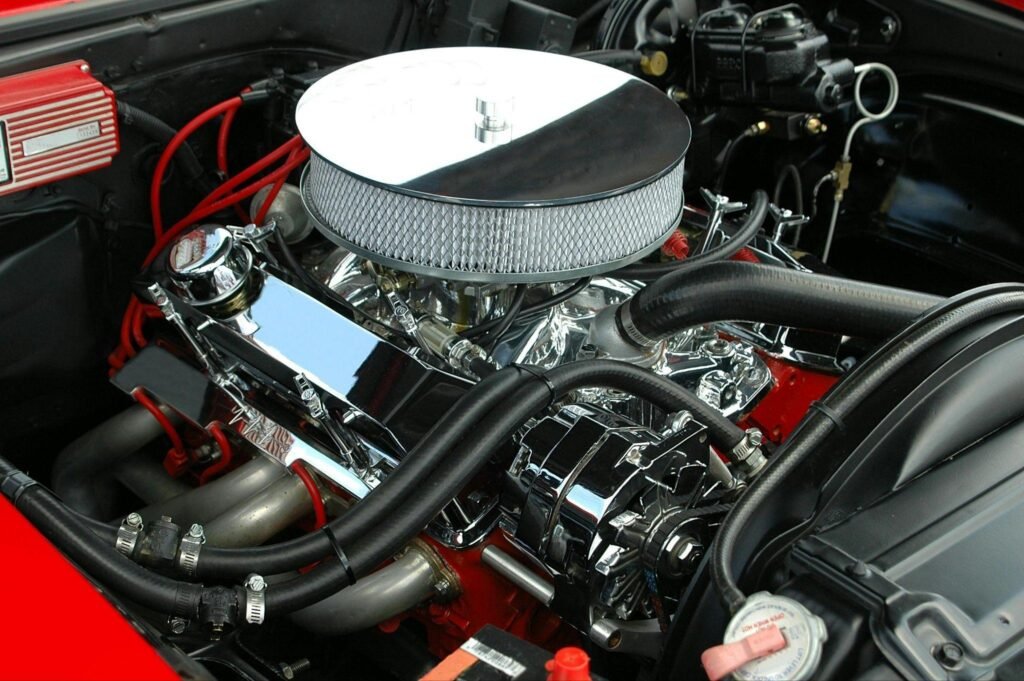
Imagine this scenario: you’re on the hunt for a ‘70s Chevrolet K5 Blazer. You find one in pristine condition, with low mileage and one owner. You fire it up, and it seemingly runs really well. However, the previous owner failed to mention that it had been sitting in a garage for years, potentially decades. Unfortunately, that could be a recipe for disaster.
Not only should you check the fluids to make sure everything seems okay before purchasing, but once you buy the vehicle, it’s incredibly important to go ahead and replace common fluids such as brake fluid, transmission fluid, power steering fluid, coolant, and differential oil. With years of non-use, these fluids can deteriorate and cause quite a few problems.
Update the Electrical System
Electrical issues are one of the most common causes of breakdowns in older vehicles, especially those with aging wiring and original components.
No matter how well a car is built and maintained over the years, classic cars will inevitably experience electrical issues. Unfortunately, electrical issues are perhaps the most common reason classic car owners are left on the side of the road.
This fix for these issues is a bit more complicated than just changing fluids, however. There are some serious considerations that need to be understood when working on truly vintage vehicles. Sometimes, it’s perfectly fine to just replace the wiring and start with fresh parts. If you want to go the extra step, especially when working on pre-1950s vehicles, you can always upgrade the wiring harness from 6 volts to 12 volts. Conversion kits can be purchased, and the process is fairly straightforward. This upgrade also makes future repairs a bit easier and affordable.
Brake System Wear and Limitations
For all of the beauty a classic car has, it often doesn’t include some of the creature comforts modern car owners take for granted, such as extensive warning light systems. This means a vintage car enthusiast, especially those who are just entering the hobby, might not always think about the wear and tear that affects commonly used systems like your brakes.
It’s important to understand the limits of your classic car’s braking system. Many systems rely more heavily on brake fluid, which makes constantly checking the levels crucial. Not only that, but it’s also imperative to look for any signs of extensive wear and tear or leaks. And obviously, you want to change out worn brake shoes when needed. However, much like the electrical system, if you plan on using your classic car as more of a daily driver, it might be best to go ahead and upgrade the entire braking system to something more modern. Not only will this add to the overall safety of the vehicle, but it also means you’ll have more confidence that you won’t experience braking issues nearly as much.
Wheel Damage
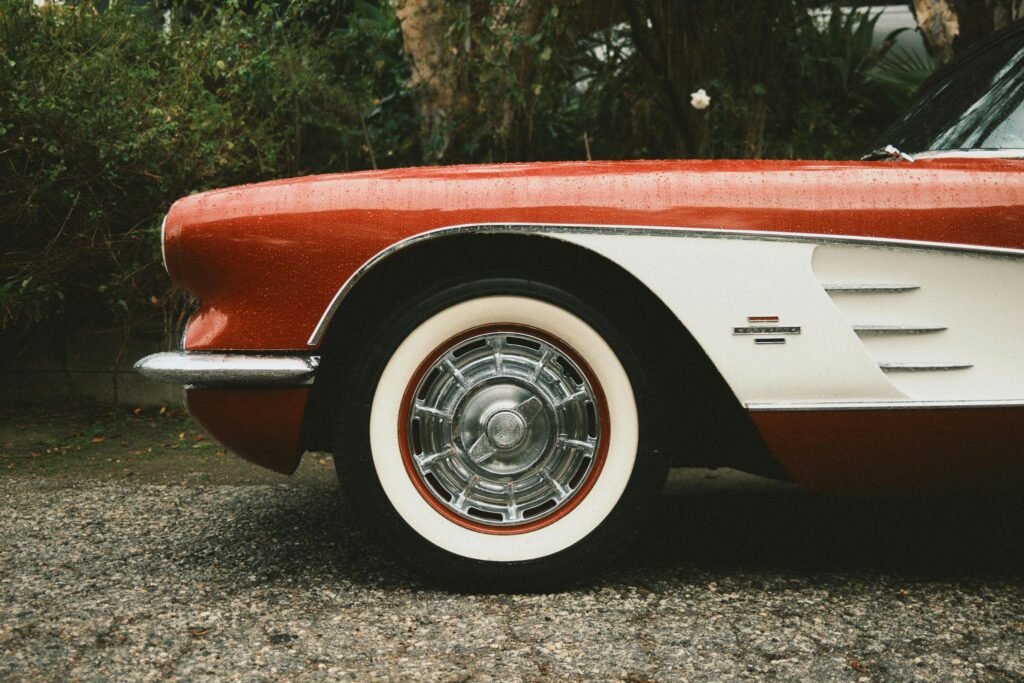
When you’re looking at a classic car, such as the 1941 Lincoln Continental Convertible, the tires and wheels are some of the most striking parts of the vehicle. Not only do you want to maintain the iconic look of these items, especially the wheels, but if you overlook common issues with these, it can lead to some serious safety concerns.
Understanding what to look for when examining for wheel damage is important as a classic car owner. Obviously, you want to look for potential rust or damage. However, if you live in a climate that would expose your vehicle to harsh elements, it’s a good idea to go ahead and take precautions to avoid any serious potential maintenance issues.
If you notice bubbling on the wheels, refinishing or replacing the rims may be required. A great option for vintage car wheels is to use a powder coating, which is very durable and provides a rust-resistant finish.
Cooling System Challenges
As with the braking and electrical systems, understanding potential cooling issues is a vital part of being a classic car owner. When dealing with decades-old vehicles, it’s common to see cooling systems break down over time. In fact, you might not even notice it right away, as your car could be running really well. However, at the most inopportune time (as is always the case, right?), you could find yourself on the side of the road because your car is overheating.
While you likely won’t have to do a full cooling system replacement, you can go ahead and take pre-emptive measures to ensure your cooling system lasts for years to come. Clearly, you want to stay on top of coolant levels; that’s a given. Also, you might just want to go ahead and replace the fan belt, any clogged hoses, and the radiator fan. If you still experience issues, then a full radiator replacement could be in order.
Staying ahead of these common issues makes classic car ownership far more enjoyable. A little preventative maintenance goes a long way in protecting your investment and keeping your vehicle on the road. When in doubt, regular inspections and timely upgrades can save you from costly surprises later on.
Special thanks to my guest writer, Jordan McDowell! Jordan McDowell is a writer and automotive enthusiast. He specializes in content that helps car and truck owners get the most from their vehicles through aftermarket upgrades.