
By: Jordan McDowell
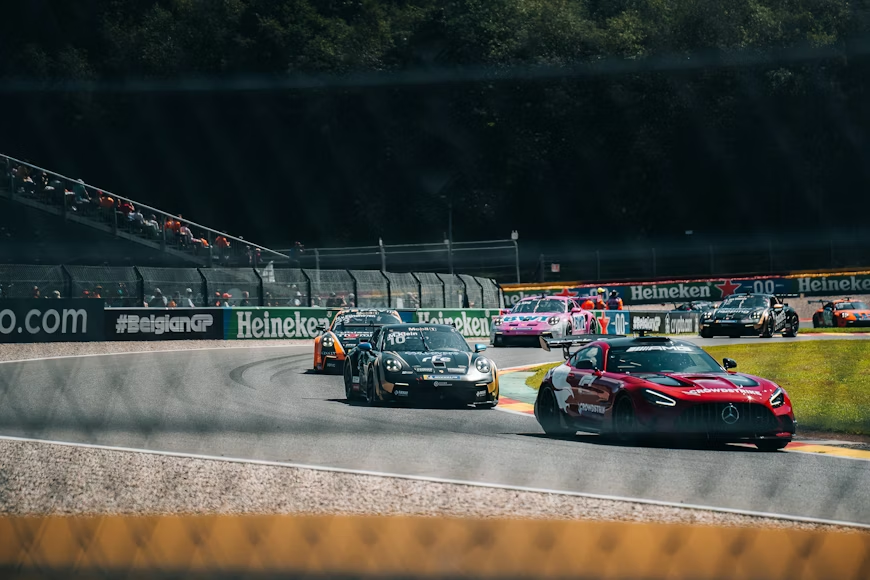
Car culture has taken many forms over time, from barn finds and vintage restorations all the way to the global spectacle of Formula 1.
The way people connect with cars has evolved alongside technology and society itself. For millions of people around the world, automobiles have always been something bigger than just transportation. They reflect values such as performance, craftsmanship, style, and freedom.
For others, they bring a sense of identity and belonging to a community that shares the same language. That’s why the passion for cars continues to morph across generations.
To understand how this journey moved from dusty local garages to international race tracks, it’s important to look at how our relationship with these machines has changed over the decades.
The Age of Vintage Classics
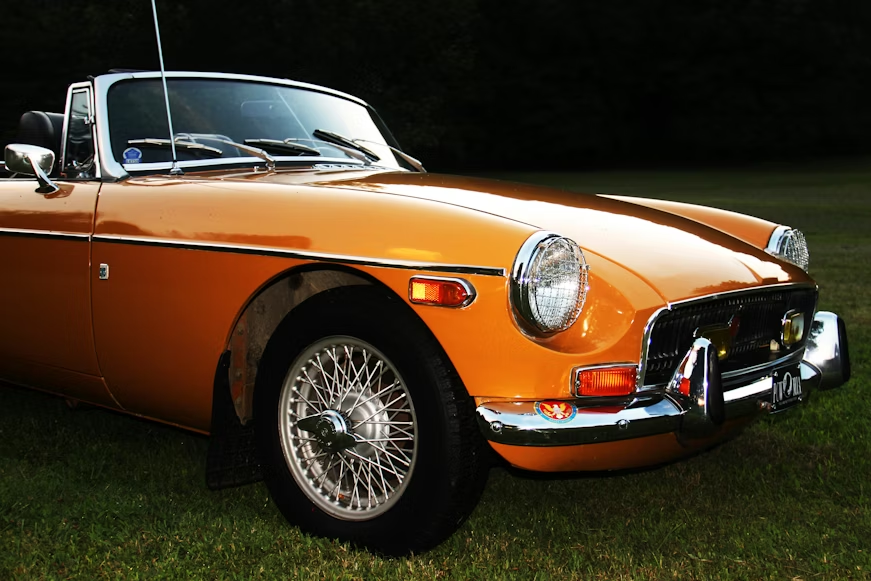
Photo by Liz Fitch on Unsplash
The roots of car culture stretch back to the early to mid-20th century, when craftsmanship and authenticity were paramount.
The period between 1919 and 1930 featured vintage cars. Some iconic models included the Ford Model A and early Cadillac V-16 models.
Manufacturers built vehicles with meticulous attention to detail. These designs still captivate collectors today.
Collectors and restorers became central in preserving this legacy.
Barn Finds and Backyard Builds
Restoration became a ritual during this period.
Enthusiast clubs formed in the 1930s to collect and preserve early automobiles. Appreciation began with organizations like the Veteran Car Club of Britain (1930), Vintage Sports Car Club (VSCC) (1934), and the Antique Automobile Club of America (AACA), founded in 1935 in Philadelphia.
In the 1920s to 1930s, an automobile owner had to be a mechanic by necessity. The process of classic car restoration was painstaking: sourcing period-correct parts, stripping the decades of wear down to bare metal, rebuilding carbureted V8 engines, and chasing the exact factory color codes.
By the late 1930s, hot-rodding had begun as a cult movement in Southern California.
Post-War & The Golden Era of Car Culture
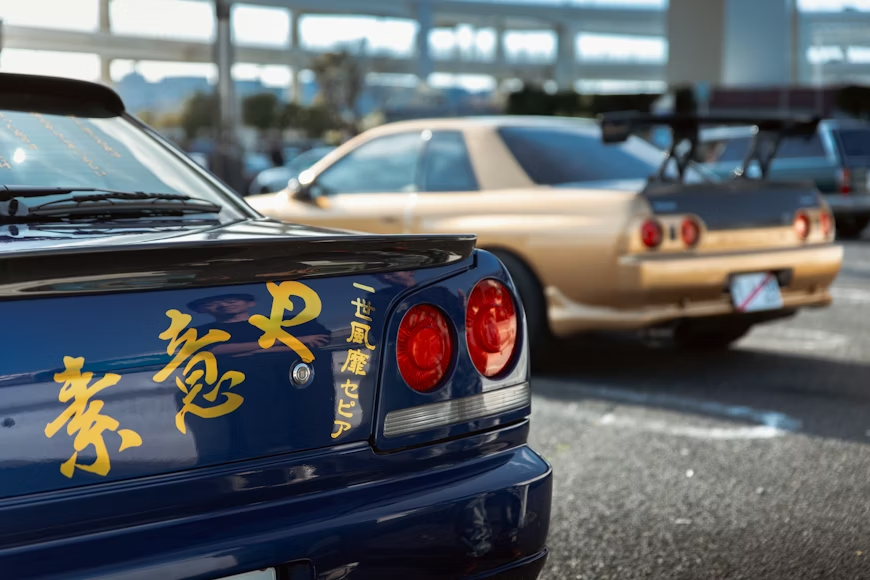
Photo by Shoham Avisrur on Unsplash
Car culture grew into a mainstream phenomenon, particularly in the U.S. during the post-WWII period, with NASCAR (National Association for Stock Car Auto Racing) founded in 1948.
The 1950s to 1960s are considered the “golden age” of car culture. It’s when American muscle cars and iconic models became prominent.
Hot-rodding peaked, along with the rise of custom cars and elegant European roadsters. Vehicles, including the Shelby Cobra or a 1969 Chevrolet Camaro, represented more than engineering. They were expressions of style and freedom post-war.
A broader culture of restoring and collecting cars became widespread. Restoration became more of a hobby than a necessity. The craft gained momentum after World War II in the late 1940s, when increased availability of parts and returning veterans helped turn it into a popular pastime. Enthusiasts were now modifying their cars.
During this period, hot rod clubs began popping up in California and the Midwest. Drive-in theatres became gathering spots. Car shows (community-organized affairs held in parking lots and fairgrounds) gave owners a stage to show off what they’d built with their own hands.
As the collector market matured, so did the events around it.
Modern concours culture grew in the mid-20th century. For instance, the Pebble Beach Concours d’Elegance began in the USA in 1950. Today, it still draws the rarest and most historically significant automobiles on earth.
By the 1970s, Barrett-Jackson auctions began.
Power, Performance, and Speed
In the late 20th century, performance and innovation took center stage.
The 1970s pushed car culture further with muscle car obsession. Japanese imports, European luxury, and the rise of tuning culture defined the 80s-90s.
Dodge Challengers and Pontiac GTOs ruled, while Europe had agile supercars like the Ferrari 250 GTO. These blended artistry and speed.
Street racing advanced.
Motorsport played a key role in shaping this era. Events like the 24 Hours of Le Mans inspired road car development.
The Rise of Formula 1 Fandom

Photo by Roy Tsong on Unsplash
By the 1980s and 1990s, a new kind of car fan emerged. Hybrid power units, carbon fiber chassis, and DRS wings pushed limits.
In the 21st century, motorsport has evolved into a cultural phenomenon. Formula 1 is leading the change. Once considered the domain of European devotees and hardcore racing purists, the sport has grown into a global spectacle, attracting millions of viewers across diverse audiences.
That trend has only grown. This expansion is partly attributed to media exposure.
Nielsen research found that more than 360,000 viewers who hadn’t previously watched F1 became fans after watching Netflix’s Drive to Survive docuseries. The show offered behind-the-scenes access to teams and drivers. Personalities such as Lewis Hamilton also helped elevate the sport’s profile through a mix of athletic excellence and cultural influence.
A Reuters 2026 report notes that F1’s total audience reached 1.83 billion, up 6.8% from 2024.
Fandom now extends beyond race day. Enthusiasts engage through digital platforms, follow team developments year-round, and express their support through collectibles and merchandise.
Collecting has shifted accordingly. While earlier generations hoarded spark plug boxes and enamel badges, modern fans curate F1 accessories, including team caps, scale helmets, replica steering wheels, and sim racing gear. These connect fans to the sport in tangible, lasting ways.
The Road Ahead
Car culture has undergone a remarkable transformation, from handcrafted vintage classics and the hot rod clubs of the 1950s to the Barrett-Jackson bidders and fans watching an F1 qualifying match.
Despite these changes, the core of car culture remains the same. It’s driven by passion, shaped by innovation, and sustained by people who celebrate it. And that culture is far from over.
As new generations of enthusiasts emerge, car culture will, without doubt, continue to evolve while still honoring the legacy that made it what it is today.
New technologies are also reshaping how vehicles are built and experienced. EVs are quietly adapting cars for a sustainable future, Formula E has established itself as a legitimate racing series, while restomods powered by electric drivetrains are drawing the attention of collectors who want the balance of vintage aesthetics and modern performance.
Special thanks to my guest writer, Jordan McDowell! Jordan McDowell is a writer and automotive enthusiast. He specializes in content that helps car and truck owners get the most from their vehicles through aftermarket upgrades.