
Originally published April 9, 2016|Updated October 29, 2026
Say “classic Ford Mustang” to ten car fans and you might get ten different pictures. One person may see a red 1965 convertible. Another may suggest a Mach 1 with stripes and hood scoops. Someone else could be thinking about a black Fox-body GT.
And do you know what? They can all be right. The Mustang name covers a lot of ground, and the model names can get confusing fast. GT, Mach 1, Boss, Shelby, Grande, Cobra… So, what’s the difference?
This guide breaks down the most popular classic Ford Mustangs in plain English. By the end, you’ll know what each one is, what makes it special, and which one might fit your garage and your budget.
First, a Quick Word on “Models” vs. “Packages”
Here’s something that trips up beginners. Many famous Mustang names weren’t separate body styles. Some were factory option packages, while others were distinct performance models or special editions. A few, like the Shelby Mustangs, were developed with outside performance specialists.
A basic Mustang could be a coupe (also called a hardtop), a convertible, or a fastback with a sloping roofline. Ford then offered extra packages with stronger engines, sporty trim, or a fancier interior. The buyer picked the body style and the package.
That’s why two Mustangs from the same year can look and drive very differently. If you want the broader story of how the car changed, our Ford Mustang history guide covers every generation.
The Everyday Classics
Mustang Coupe (Hardtop)
The coupe is the classic starting point. It’s the most common body style, and that’s good news for buyers. Parts are generally easy to find, prices are often friendlier than those of comparable fastbacks, and there are plenty of resources for owners.
Many people see the coupe as the best first classic Mustang. It’s simple to work on, and you can build it into whatever you like later.
Mustang Convertible
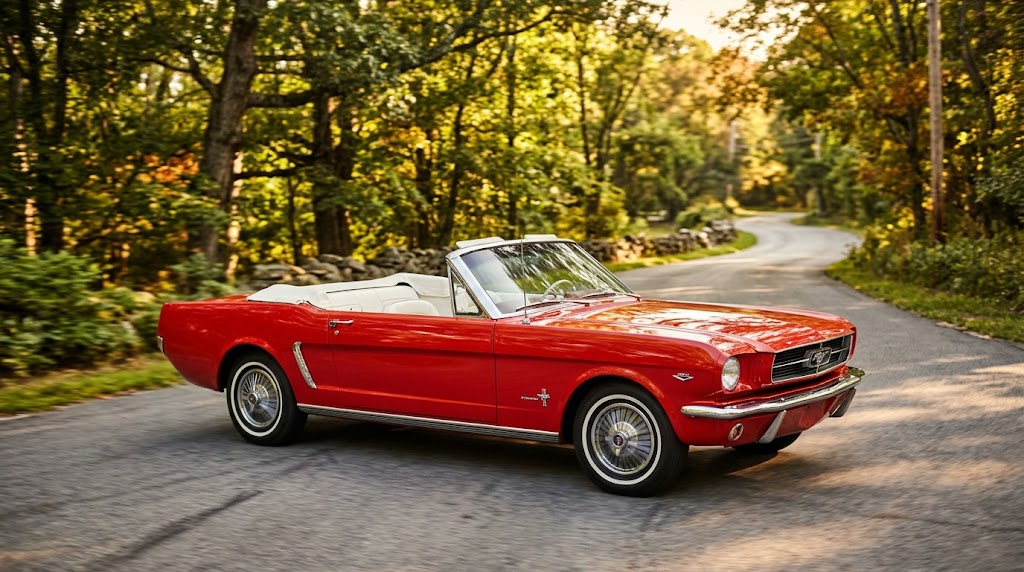
Open-air driving is a big part of the Mustang dream. Convertibles tend to cost more than coupes, and you’ll want to check the top, the frame, and the floors carefully. Water likes to hide in those spots.
Mustang Fastback
The fastback’s sloping roof gives the car a sleek, sporty look. Fans love it, and prices usually reflect that. Many of the most famous performance Mustangs were fastbacks, so this body style shows up again and again below.
The Performance Mustangs
Mustang GT
The Mustang GT Equipment Group first appeared in 1965. It added performance and handling upgrades, including front disc brakes, quicker steering, special suspension equipment, dual exhaust, and distinctive styling details. Later GT models continued the performance tradition, making the GT a great middle ground if you want something sportier without chasing the rarest cars.
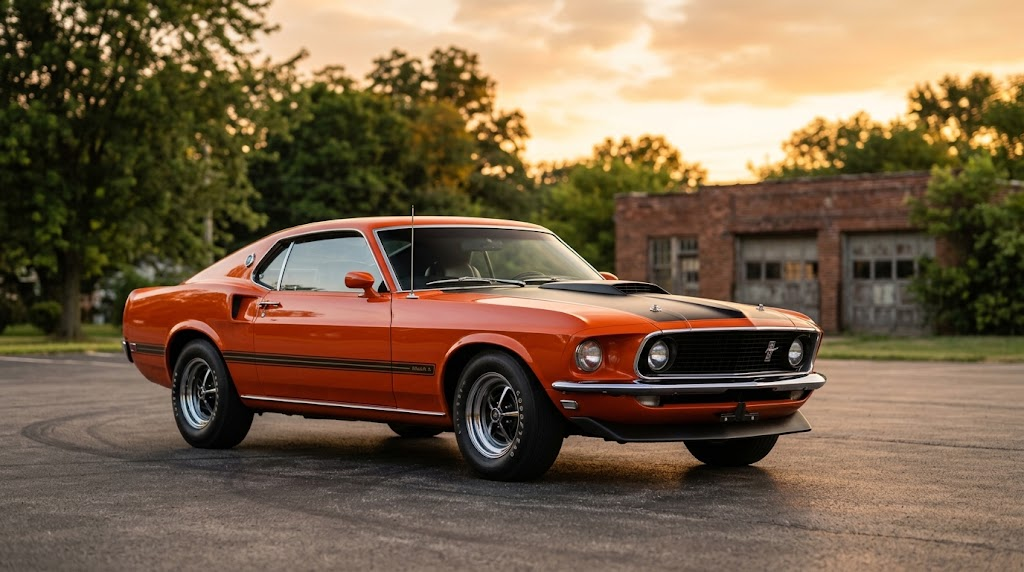
Mustang Mach 1
The Mach 1 arrived for 1969 as a showy performance model with bold stripes, hood scoops, and a long list of engine choices. Hagerty notes that the Mach 1 wore its muscle proudly, with a new 351 small block and an optional 428 Cobra Jet engine in the early 1970s.
Collectors like the Mach 1 because it delivers real muscle car looks without always reaching the huge prices of the rarest Boss and Shelby cars.
Mustang Boss 302 and Boss 429
The Boss cars were Ford’s serious performance machines. Here’s how they differ:
- Boss 302: Developed with road-course competition in mind, particularly against rivals like the Chevrolet Camaro Z/28.
- Boss 429: Built so Ford could use its big 429 engine in NASCAR racing. Only a small number were made, so it’s a true collector’s prize.
- Boss 351: A 1971-only model with a 351 V8 that Ford rated at 330 horsepower.
Production numbers tell the story. According to Hagerty’s Mustang notes, Ford built 1,628 Boss 302s in 1969 and 7,013 in 1970, while Boss 429 production was just 857 in 1969 and 499 in 1970. Rare cars mean big price tags.
Shelby GT350 and GT500
Carroll Shelby and his team transformed the Mustang into a racing-inspired performance car. The GT350 arrived in 1965, followed by the more powerful GT500 in 1967. Built by Shelby American in cooperation with Ford, these cars became some of the most recognizable and collectible Mustangs ever produced.
If you love the look, there are plenty of Shelby-style tribute cars and replicas out there. Just be sure you know exactly what you’re buying, and ask for paperwork that proves it.
The Comfort and Style Mustangs
Mustang Grande
Not every classic Mustang was about speed. The Grande was introduced in 1969 and continued through 1973. Available only as a hardtop, it featured upgraded interior trim, extra sound insulation, and a more luxurious feel. Think of it as the Mustang in dress clothes.
It’s a fun pick for people who want a classic with a touch of luxury rather than an all-out performance car. Think of it as the Mustang in dress clothes. It’s a fun pick for people who want a classic with a touch of luxury.
Later Mustang Favorites
Fox-Body GT (and the GTA)
The Fox-body Mustangs from 1979 through 1993 are gaining popularity with collectors and enthusiasts. They’re relatively lightweight, easy to modify, and popular with drag racers. The GTA was a special 1985–1986 GT variant that combined the GT’s performance equipment with an automatic transmission.
SVT Cobra
Ford’s Special Vehicle Team (SVT) introduced the Mustang Cobra in 1993. These factory performance models offered upgraded engines, suspension, and other performance equipment. Don’t confuse them with the Shelby Cobra, which is a completely different car.
Saleen Mustang
Saleen is a performance company that tuned Mustangs with upgraded suspension, body kits, and engine work. Saleen is an independent performance company that became famous for modifying Mustangs with upgraded suspension, distinctive bodywork, wheels, and engine improvements. Saleen Mustangs developed their own following and remain an interesting niche for collectors who want something different from a standard Ford performance model.
“Eleanor”
You may see Eleanor listed with other Mustang models, but it wasn’t a factory Ford model. Eleanor was the movie nickname for a customized 1967 Mustang fastback featured in the 2000 film Gone in 60 Seconds. Many Eleanor cars offered for sale today are custom builds or replicas. Don’t assume one is an original Shelby just because it carries the Eleanor name.
Which Classic Ford Mustang Fits You?
Here’s a quick cheat sheet:
- On a tight budget: A coupe or an early six-cylinder car.
- Want open-air fun: A convertible, but inspect it closely.
- Love the look of a muscle car: A fastback GT or a Mach 1.
- Collecting for the long haul: Boss and Shelby cars, if your budget allows.
- Prefer comfort and style: A Grande.
- Want a project to modify: A Fox-body GT.
What to Check Before You Buy a Classic Mustang
Any classic Mustang deserves a careful look before buying. Keep these in mind:
- Rust: Check the floors, trunk, lower fenders, and shock towers.
- Paperwork: Look for the VIN, the data plate, and any build records.
- Originality: A “real” Mach 1 or Boss is worth far more than a clone, so verify what’s under the hood and on the title.
- Parts availability: Common models are easier and cheaper to keep running.
- Budget: Plan for tires, brakes, and fluids after the purchase.
Not Ready to Buy a Ford Mustang Yet?
Nobody says you have to buy one today. Many fans start with a scale model on the shelf while they save up and study the market. Browsing our Ford muscle car pages is another good way to learn the differences.
The best classic Ford Mustang is the one that matches your goals, your skills, and your wallet. Learn the models, know the differences, and take your time. The right Mustang is out there waiting.
Join the conversation!
Follow Classic Cars Online US on YouTube for more classic-car features, performance stories and automotive history.
Join us on Facebook to share your favorite Mustangs, compare notes with other enthusiasts and keep the conversation going.
There’s always another amazing car worth talking about. We’ll see you at the starting line!