
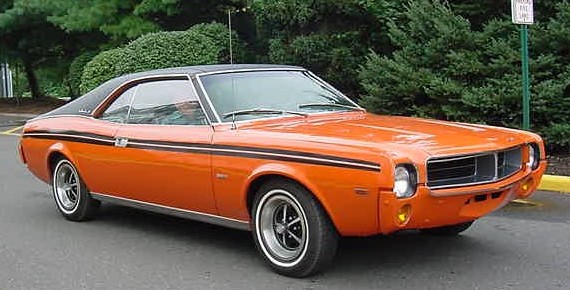
The 1970s American muscle car scene often conjures images of Mustangs, Camaros, and Chargers, but there’s another iconic vehicle that’s recently seeing a resurgence in collector interest — the AMC Javelin. As classic car prices continue to soar in 2025, this once-overlooked American pony car is finally getting the recognition it deserves, with first-generation Javelin models becoming increasingly sought after by collectors and enthusiasts alike.
What Was the First-Generation Javelin?
The first-generation AMC Javelin was produced from 1968 to 1970 by American Motors Corporation (AMC). Designed as AMC’s entry into the highly competitive pony car market, the Javelin was a direct competitor to the Ford Mustang, Chevrolet Camaro, and Plymouth Barracuda. Despite being manufactured by a smaller automaker, the Javelin stood out with its distinctive styling, performance options, and competitive pricing.
The Javelin featured a long hood, short deck design typical of pony cars of the era, but with cleaner, more streamlined styling that many automotive historians now consider ahead of its time. With its fastback roofline and wide stance, the Javelin projected a sporty image that appealed to younger buyers looking for something different from the mainstream offerings.
Why Was the Javelin Different From Other Muscle Cars?
The Javelin distinguished itself from competitors in several key ways:
- New Platform: It was designed from scratch as a pony car, unlike some competitors that were based on existing compact models
- Spacious Interior: The Javelin offered more interior space than many rivals, with a genuine back seat that could accommodate adults
- More Engine Options: AMC provided a wide range of engine options, from economical six-cylinders to powerful V8s
- More Standard Features: The car featured more standard equipment at its price point than many competitors
- Unique Style: Its distinctive styling set it apart in a crowded market
- Luxurious Touches: The Javelin SST package offered luxury touches uncommon in the segment
Additionally, AMC’s involvement in Trans-Am racing with the Javelin helped establish performance credentials that the smaller manufacturer needed to compete with Detroit’s Big Three automakers.
What Engine Options Were Available in the First-Generation Javelin?
The first-generation Javelin came with an impressive array of engine options to suit different buyer needs:
- 232 cubic inch (3.8L) inline-six (145 hp): The base engine focused on economy.
- 258 cubic inch (4.2L) inline-six (150 hp): Offered slightly more power with similar economy.
- 290 cubic inch (4.8L) V8 (200-225 hp): The entry-level V8 option.
- 343 cubic inch (5.6L) V8 (235-280 hp): A mid-range performance option.
- 390 cubic inch (6.4L) V8 (315-325 hp): The top performance engine available in the first generation.
Were There Special Packages for the 1st-Gen Javelin?
The Go Package, available with V8 engines, added performance upgrades including power disc brakes, heavy-duty suspension, dual exhausts, and a handling package — making the Javelin a genuine performer when properly equipped.
How Successful Was the Javelin in Racing?
While often overshadowed by its competitors in street performance discussions, the Javelin actually built a respectable racing pedigree:
- Partners: AMC partnered with Kaplan Engineering and later Penske Racing for Trans-Am series competition
- Victories: The Javelin scored several victories in the highly competitive Trans-Am series
- Drivers: Famous drivers including Mark Donohue, Peter Revson, and George Follmer raced Javelins
- Led to Streetcar Improvements: The racing program helped improve the street cars, with technology and engineering lessons applied to production models
- Special Performance Editions: Special “Trans-Am” editions of the Javelin were offered to capitalize on the racing connection
This racing heritage has contributed significantly to the car’s growing collector appeal in 2025, especially for models with documented racing connections or special editions.
Why Are First-Generation Javelins Becoming More Valuable in 2025?
The current surge in Javelin values can be attributed to several factors:
- Rarity: AMC produced fewer Javelins than Ford, Chevrolet, or Dodge produced of their pony cars
- Uniqueness: The Javelin’s distinctive styling stands out in a sea of more common muscle cars
- Affordability (until recently): Javelins were long undervalued compared to other muscle cars, making them attractive entry points for collectors
- Nostalgia: As Baby Boomers and Gen X reach peak collecting years, interest in all classic muscle cars has increased
- Media exposure: Recent appearances in automotive media and at major auctions have spotlighted the Javelin’s appeal
- Market Prices Surging: The broader classic car market surge of 2024-2025 has lifted values across all collectible American cars
According to recent auction data, pristine first-generation Javelins have seen price increases of 35-40% since 2023, with particularly rare configurations commanding six-figure prices for the first time.
How Can You Identify a First-Generation Javelin?
If you’re in the market for a first-generation Javelin, look for these distinctive features:
- Clean, flowing body lines without the bulging fenders of the second generation
- Rectangular grille with integrated headlights
- Distinctive curved side “coke bottle” profile
- Fastback roofline with large rear window
- Minimal chrome compared to many contemporaries
- Single headlights (versus the dual headlight setup of the second generation)
- Flush door handles integrated into the design
- Fully integrated bumpers that blend with the body design
The first-generation also featured a distinctive dashboard with large, round gauges and aircraft-inspired toggle switches on higher trim models.
The Forgotten First-Gen Javelin Pony Car Returns
As we move through 2025, the first-generation AMC Javelin continues its transition from overlooked oddity to respected collector piece. With its combination of distinctive styling, solid performance, and relative rarity, the Javelin offers classic car enthusiasts something different from the usual muscle car choices. Whether you’re a long-time AMC fan or a newcomer to the brand, the Javelin represents an increasingly valuable piece of American automotive history that deserves recognition alongside its more famous contemporaries.
For those interested in getting into classic car collecting, the Javelin still represents a somewhat more affordable entry point than many other muscle cars of its era — though that window of opportunity may be closing as prices continue to rise.
Follow Us for More Classic Car Content!
Enjoyed this look back at the AMC Javelin? Follow us on NewsBreak to see our newest posts as soon as they’re published! We regularly feature forgotten classics, investment opportunities in the collector car market, and deep dives into automotive history. Don’t miss our upcoming series on overlooked muscle cars of the 1970s and what they’re worth in today’s booming classic car market!