

While muscle car enthusiasts chase after big-block Barracudas and collectors covet finned ’50s Chryslers, some hidden gems sit quietly in the shadows of the classic car market.
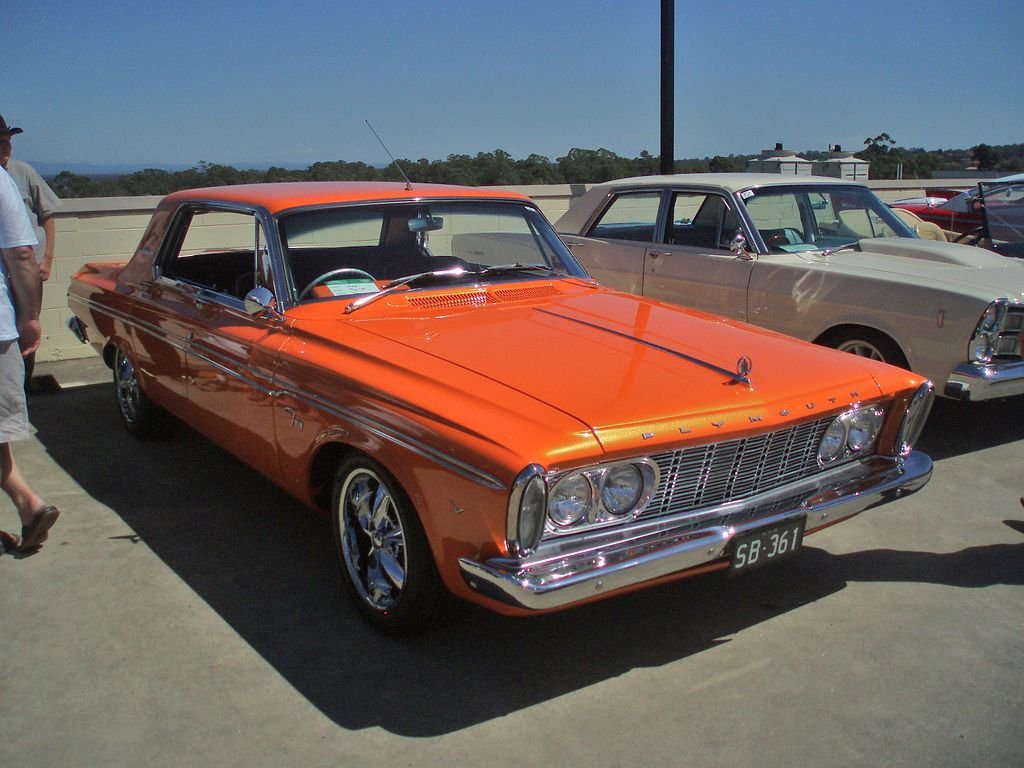
The second-generation Plymouth Fury (1962-1964) represents one of the most overlooked opportunities in vintage American automobiles, offering distinctive styling, solid performance, and surprisingly affordable entry points for collectors.
The Forgotten Fury
The 1962-1964 Plymouth Fury emerged during one of Chrysler’s most turbulent design periods. After the excesses of the late 1950s, these cars featured cleaner lines and more restrained styling that has aged remarkably well. Yet they remain significantly undervalued compared to their predecessors and successors.
Budget-Friendly Option for Classic Car Collectors
While first-generation Furys with their iconic fins and third-generation muscle car era models command premium prices, the second-generation cars often sell for substantially less. These models represent an opportunity for collectors looking for distinctive American cars without the hefty price tags of more popular classics.
What Makes These Years Special
The second-generation Fury offers several unique features that set it apart:
- The controversial 1962 downsizing resulted in a lighter, more nimble car that actually improved handling
- Available with Chrysler’s bulletproof TorqueFlite automatic transmission
- Optional 413 Max Wedge engine in 1963-1964 produced up to 425 horsepower
- Distinctive “plucked chicken” look of the 1962 model has become increasingly appreciated
- Clean, uncluttered dashboard design that influenced later muscle car interiors
- Sport Fury models featured bucket seats and console – rare for the era
Values Starting to Increase
Many collectors who started buying second-generation Furys when they were overlooked are now seeing their investments pay off. The styling that was considered odd at the time is increasingly appreciated for its clean lines, and these cars remain fantastic highway cruisers with relatively inexpensive parts availability.
The Investment Potential
The collector car market often shifts toward previously overlooked models as more popular choices become increasingly expensive. The second-generation Plymouth Fury offers several advantages for smart buyers:
- Strong mechanical components that are relatively easy to maintain
- Chrysler’s solid build quality from this era
- Limited production numbers compared to Ford and GM competitors
- Increasing recognition in classic car circles
- Parts availability through established Mopar suppliers
’63 Plymouth Fury
The sweet spot appears to be the 1963 Plymouth Fury model year, which refined the controversial 1962 styling while retaining the clean, purposeful look. With Max Wedge cars commanding six-figure prices, standard V8 models represent exceptional value.
As the collector car market continues to mature, savvy buyers are looking beyond the obvious choices. The second-generation Plymouth Fury offers a combination of distinctive styling, solid engineering, and room for appreciation that’s increasingly hard to find in today’s classic car market.
Join the Conversation About Classic Cars
Want to share your thoughts on undervalued classics like the second-generation Plymouth Fury? Click here to join our Classic Cars Online US: Classic Cars for Sale Facebook group where passionate collectors and enthusiasts discuss hidden gems, share restoration tips, and celebrate all things classic American automotive.
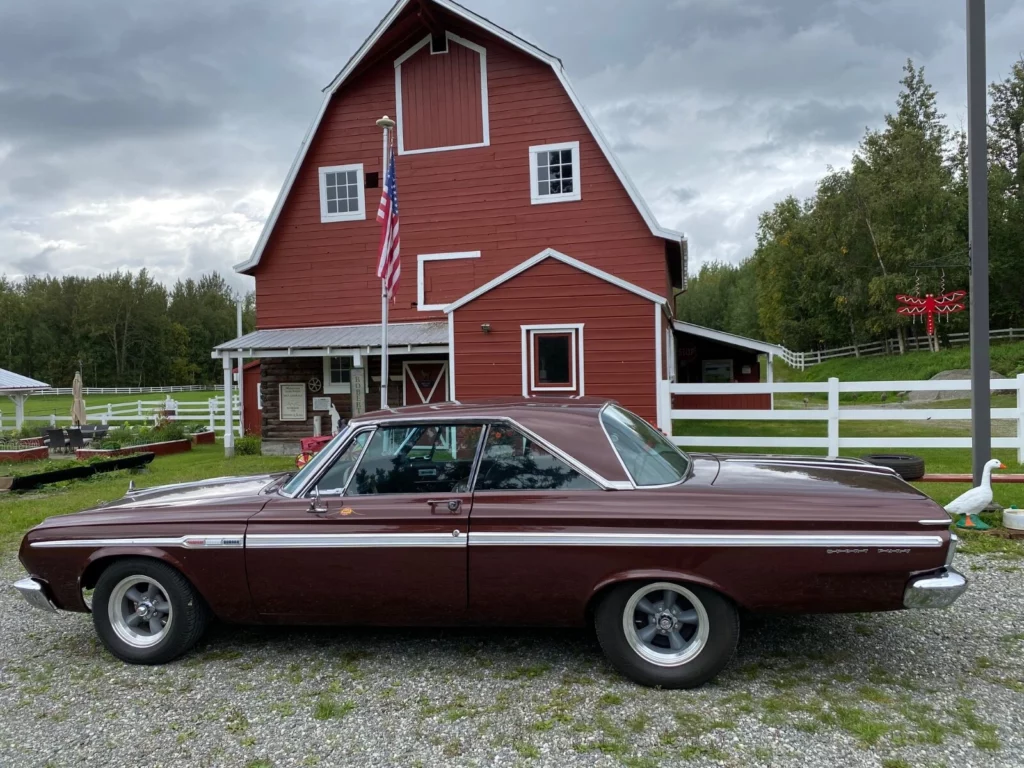
Whether you’re a Mopar devotee or just appreciate distinctive vintage iron, you’ll find your people here. Click to join and let us know which overlooked classics deserve more attention!