
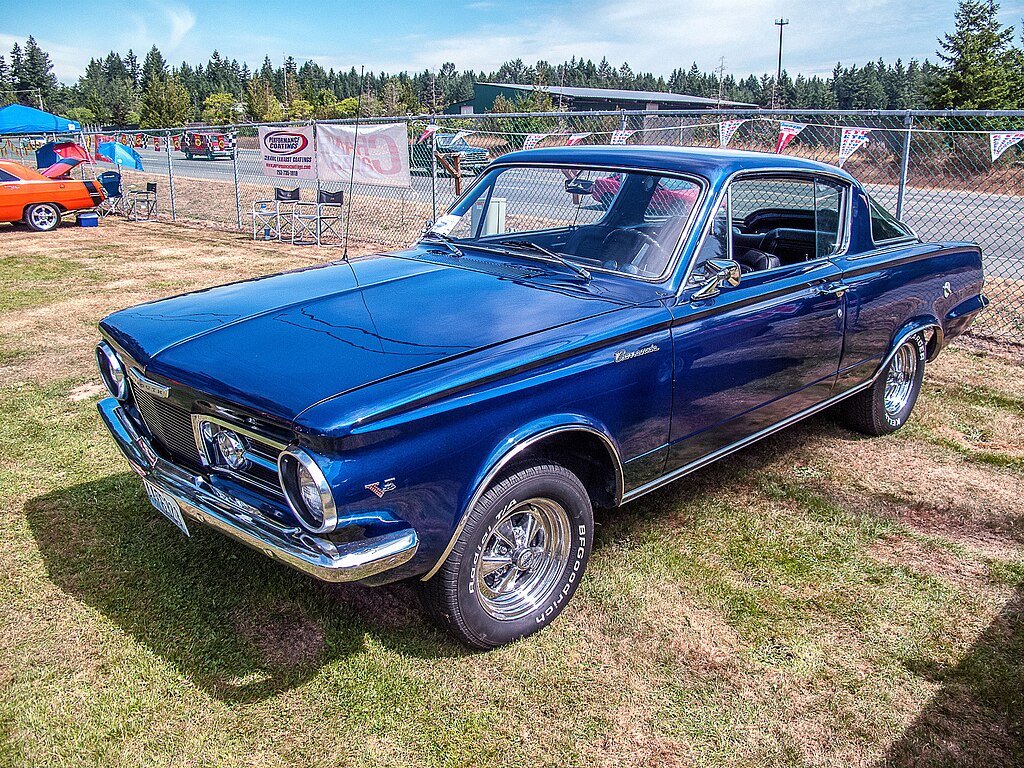
The 1965 Plymouth Barracuda represented the second year of the first-generation Barracuda model (1964-1966), showcasing Plymouth’s innovative response to the emerging “pony car” market. While the Ford Mustang often claims the spotlight as the pioneer of this segment, the Barracuda actually beat it to market by two weeks, debuting on April 1, 1964.
Revolutionary Design
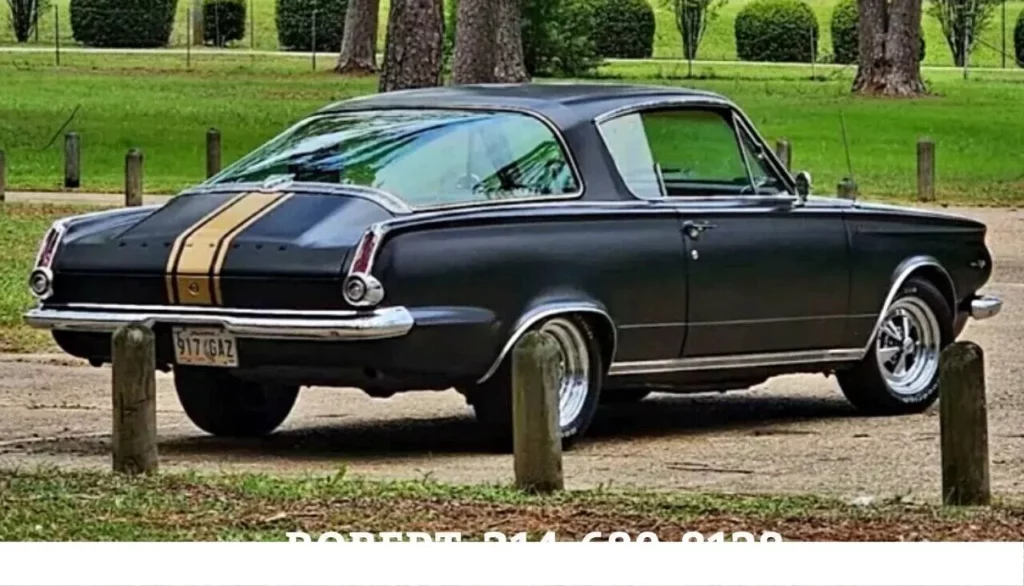
What truly set the ’65 Plymouth Barracuda apart was its distinctive fastback design, dominated by a massive wraparound rear window—the largest ever installed on a production car at the time. This enormous piece of glass, measuring an impressive 14.4 square feet, was a manufacturing triumph, though it came with its quirks. On sunny days, the greenhouse effect could turn the rear cabin into a sauna, leading some owners to nickname their cars “fish bowls.”
Built on the Plymouth Valiant’s A-body platform, the ’65 Barracuda maintained much of the Valiant’s front-end styling but carved its own identity with that distinctive fastback profile. The car’s development was a testament to Plymouth’s ingenuity on a budget, as they managed to create a sporty competitor to the Mustang while sharing numerous components with the Valiant to keep costs down.
Performance and Power
Under the hood, the 1965 model offered an interesting range of powerplants. The standard engine was a resilient 225-cubic-inch Slant Six, producing 145 horsepower. However, performance enthusiasts could opt for the 273-cubic-inch V8, which in its highest “Commando” specification delivered a respectable 235 horsepower. An interesting quirk of the V8 models was the “Sure-Grip” differential, which helped prevent one-wheel burnouts—a feature that would become increasingly important as muscle cars grew more powerful.
Standout Features of the First-Generation Plymouth Barracuda
The 1965 Plymouth Barracuda boasted several innovative features that set it apart from its competitors:
- Massive Wraparound Window: At 14.4 square feet, it was the largest rear window ever installed on a production car, creating the iconic “fish bowl” effect that made the Barracuda instantly recognizable on the road. The window’s size and unique curvature required special manufacturing processes.
- Versatile Interior Design: The fold-down rear seats created a seven-foot-long cargo space, making the Barracuda one of the most practical sports cars of its era. This feature particularly appealed to young buyers who could use their car for both daily commuting and weekend adventures.
- Advanced Traction Control: The “Sure-Grip” differential on V8 models was ahead of its time, providing better traction and control during aggressive acceleration—a feature that would become standard on future performance cars.
Legacy of the First-Gen Plymouth Barracuda
Despite living in the Mustang’s shadow in terms of sales (Plymouth sold 64,596 Barracudas in 1965, compared to the Mustang’s 559,451), the ’65 Barracuda holds a special place in automotive history.
It represented Plymouth’s bold attempt to create a sporty car that could double as a practical daily driver, complete with unique features like that enormous rear window and innovative folding seats. Today, first-generation Barracudas, especially the Formula S performance package variants, are sought after by collectors who appreciate their distinctive design and historical significance.
Love classic cars like the ’65 Barracuda?
Join our active Facebook community ‘Classic Cars Online US: Classic Cars for Sale‘ where enthusiasts share stories, photos, and help each other discover their next dream car. From restoration tips to rare finds, there’s always something exciting to discuss!