

The third-generation Dodge Charger marked a significant shift in American automotive design, representing Chrysler’s response to changing consumer preferences in the early 1970s. This iteration of the legendary Dodge Charger combined luxury with performance, setting it apart from its more muscle-focused predecessors.
Design Evolution of the Third-Gen Dodge Charger
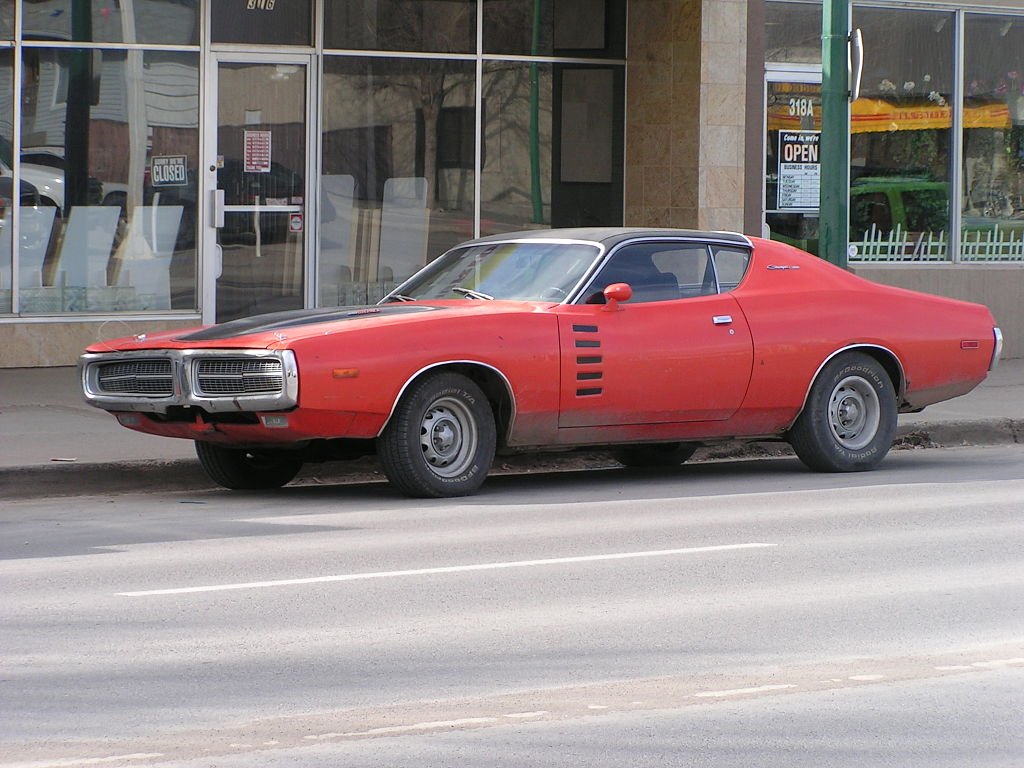
The 1971 redesign brought a distinctively different appearance to the Dodge Charger lineup. Chrysler’s designers, led by Richard Sias, created a sleek “fuselage” body style that emphasized smooth, flowing lines. The split grille and hidden headlights remained, but the overall profile became more sophisticated and aerodynamic. The wraparound chrome bumper and distinctive hood bulge gave the car an imposing presence that commanded attention on the road.
Performance Capabilities of the Third-Gen Dodge Charger
Despite increasingly strict emissions regulations, the third-generation Charger maintained impressive performance options. The engine lineup included:
- The base 225 cubic inch Slant-Six engine, producing 145 horsepower, which offered reliable daily driving performance while achieving better fuel economy than its V8 counterparts. This option became increasingly popular as fuel prices began to rise in the early 1970s.
- The legendary 426 Hemi V8, available through 1971, delivered an incredible 425 horsepower and represented the pinnacle of muscle car performance. Only a small number of Chargers were equipped with this powerplant, making them highly sought after by collectors today.
- The more common 440 Magnum V8, offering 375 horsepower, struck an excellent balance between everyday usability and impressive acceleration. This engine remained a popular choice throughout the generation’s production run.
Luxury and Comfort Features of the Third-Gen Dodge Charger
The third-generation Charger showcased Dodge’s commitment to luxury, particularly in the SE (Special Edition) trim level. High-quality vinyl or optional leather upholstery, wood-grain dashboard accents, and improved sound insulation created a more refined driving experience. The introduction of features like optional power windows, air conditioning, and cruise control helped position the Charger as a sophisticated personal luxury car.
Third-Generation Dodge Charger Key Models and Trim Levels
The third-generation Charger offered distinct personalities through its various trim levels, each catering to different driver preferences:
The Charger Rallye, introduced in 1972, effectively replaced both the R/T and Super Bee. It offered a blend of performance appearance and luxury features, including rally wheels, special striping, and upgraded interior appointments. Engine options ranged from the 318 V8 to the 440.
The Charger SE (Special Edition) represented the pinnacle of luxury in the lineup. It featured a unique vinyl roof treatment, leather-grain vinyl or optional genuine leather seats, concealed headlights, and sophisticated wood-grain interior accents. SE models often came equipped with the 383 V8 as standard equipment, though buyers could opt for larger engines including the 440.
The Charger R/T (Road/Track) continued the performance heritage, though only available through 1971. Standard equipment included the 440 Magnum V8, heavy-duty suspension, and rally instrumentation. The R/T distinguished itself with functional air scoops, special striping, and R/T badging. It was the enthusiast’s choice, especially when optioned with the legendary 426 Hemi.
The Super Bee package, transferred from the Coronet line to the Charger in 1971 only, offered serious performance at a lower price point. These rare models came standard with the 383 V8 but could be equipped with the 440 Six Pack or 426 Hemi. The Super Bee featured distinctive striping and a unique twin-scoop hood design.
The base Charger, later called the Charger Hardtop, provided an accessible entry point to the lineup. Standard equipment included the 225 Slant-Six or 318 V8, with larger engines optional. Despite its “base” designation, it still offered the same striking styling as its more expensive siblings.
Historical Impact of the Third-Gen Dodge Charger
This generation of Charger arrived at a pivotal moment in automotive history. While it maintained the performance heritage of earlier models, its emphasis on comfort and style reflected broader changes in American car culture. The 1973 oil crisis and increasing insurance rates accelerated the shift away from pure performance vehicles, making this Charger’s balanced approach particularly prescient.
Collectibility Today of the Third-Gen Dodge Charger
Third-generation Chargers have experienced a surge in collector interest, particularly well-preserved examples with the larger V8 engines. While they may not command the astronomical prices of their 1968-1970 predecessors, these cars represent an important transition period in American automotive design and offer an compelling blend of muscle car heritage and luxury car comfort.
The 1971-1974 Dodge Charger stands as a testament to automotive evolution, successfully bridging the gap between the raw power of the muscle car era and the sophistication demanded by changing consumer tastes. Its unique design and versatile character continue to captivate enthusiasts and collectors, ensuring its place in automotive history.

Experience more automotive evolution at Classic Cars Online US. Whether you’re drawn to the third-generation Charger’s perfect blend of muscle and luxury or exploring other transformative vehicles from the 1970s, our extensive collection showcases how American cars adapted to changing times. Find your own piece of automotive history that bridges performance and sophistication.