
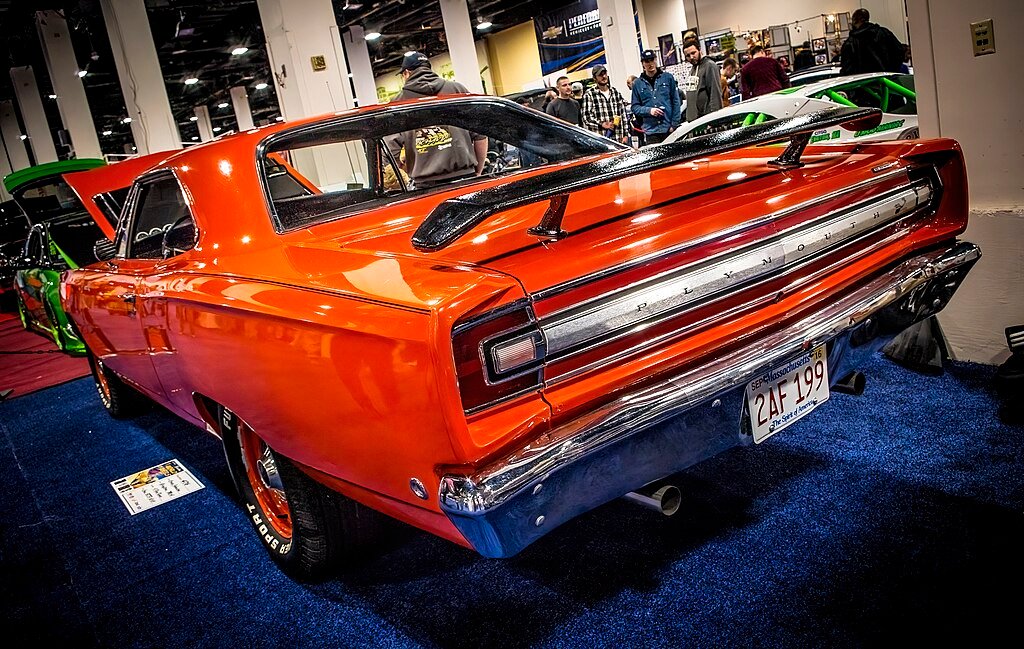

The Plymouth Road Runner represents one of the most successful attempts to strip the muscle car down to its bare essentials. Introduced in 1968, it offered impressive performance at a price young buyers could afford. Plymouth even paid Warner Brothers $50,000 to use the Road Runner name and likeness, creating one of the most memorable marketing campaigns in automotive history.
A Bold Concept
When Plymouth executives conceived the Road Runner, they had a clear mission: create a budget muscle car that would sell for less than $3,000 while running the quarter-mile in under 14 seconds. This back-to-basics approach proved revolutionary in a market that had seen muscle cars become increasingly expensive and luxurious.
The Evolution of Speed (1968-1980)
First Generation (1968-1970)
The original Road Runner epitomized Plymouth’s “bare knuckles” approach to performance. Based on the Belvedere platform, it featured minimal amenities but delivered impressive performance straight from the factory. The base 383 cubic-inch engine provided plenty of power, while the optional 426 Hemi created one of the most potent muscle cars of the era.
Second Generation (1971-1974)
The Road Runner moved to Chrysler’s new B-body platform in 1971, featuring more dramatic styling and improved handling. Despite challenges from rising insurance costs and emissions regulations, Plymouth maintained the model’s performance image through innovative engineering and styling.
Third Generation (1975-1980)
Based on the Plymouth Volare platform, the final generation reflected changing market demands with a greater focus on fuel efficiency and comfort while still maintaining some performance credentials.
Signature Features
Innovative Marketing
The Road Runner’s cartoon mascot and “beep-beep” horn created an instant identity that appealed to young buyers. This marketing approach proved so successful that it influenced automotive advertising for years to come.
Performance Options
Throughout its run, the Road Runner offered several legendary performance packages:
- 383 Road Runner V8 (standard engine)
- 426 Hemi V8 (ultimate performance option)
- 440 Six Pack (introduced 1969)
- Air Grabber hood system
- Four-speed manual transmission
- Heavy-duty suspension packages
Distinctive Styling Elements
Each generation featured unique design elements that set it apart:
First Generation:
- Minimalist interior design
- Performance hood scoops
- Distinctive side stripes
- Unique “Road Runner” graphics
Second Generation:
- “Power Bulge” hood
- Optional “Air Grabber” hood
- Aggressive body lines
- Bold color options
Third Generation:
- More aerodynamic design
- Lighter weight construction
- Sport styling packages
- Modern comfort features
Significant Models and Years
1968: The Original
- Introduced at $2,870
- Standard 383 V8 (335 hp)
- Optional 426 Hemi (425 hp)
- Available in two-door pillared coupe or hardtop
1969: Peak Performance
- Introduction of convertible option
- New 440 Six Pack engine option
- Enhanced “Air Grabber” hood
- Performance upgrades across the line
1970: The Ultimate Road Runner
- Redesigned front end
- Improved suspension geometry
- Most powerful engine options
- Last year of the first generation
1971: New Direction
- All-new body design
- Enhanced safety features
- Updated interior
- Continued high performance options
Investment Potential
Most Collectible Variants
The Road Runner’s value varies significantly based on configuration:
Highest Value:
- 1969-1970 Hemi convertibles
- 1969-1970 440 Six Pack models
- Original Hemi cars with four-speed
- Documented racing history examples
- Ultra-low production combinations
Strong Investment Potential:
- Any original Hemi car
- 440 Six Pack hardtops
- First-year (1968) examples
- Numbers-matching 383 models
- Well-documented restoration cars
Buying Considerations
Authentication
When evaluating a Road Runner, key verification points include:
- VIN and fender tag decoding
- Engine and transmission numbers
- Build sheet documentation
- Broadcast sheet verification
- Original color confirmation
Common Issues
Areas requiring particular attention during inspection:
- Frame rust, especially in trunk and floor pans
- Engine compatibility verification
- Transmission durability
- Suspension wear points
- Interior material authenticity
Historical Impact
The Road Runner proved that a back-to-basics muscle car could succeed in the market. Its combination of affordable price, strong performance, and clever marketing created a winning formula that influenced the industry. The model’s success forced other manufacturers to offer their own budget muscle cars, benefiting performance enthusiasts across the market.
Racing Legacy
On both drag strips and NASCAR tracks, the Road Runner established an impressive racing pedigree. Its aerodynamic variants, particularly the Superbird, became legendary in stock car racing, while many Road Runners dominated local drag strips across America.
Modern Influence
The Road Runner’s influence continues to resonate in modern muscle cars. Its philosophy of maximizing performance while minimizing unnecessary features can be seen in various modern performance vehicles, proving the enduring appeal of its original concept.
Explore More Road Runner History
Ready to dive deeper into the world of Plymouth Road Runners? Browse our detailed guides covering specific generations, restoration tips, and market trends. Join our active community of classic car enthusiasts on Facebook – click here to visit “Classic Cars Online US: Classic Cars for Sale” to connect with fellow Road Runner enthusiasts, share your restoration stories, find your dream muscle car, or showcase your own piece of automotive history. The world of classic Plymouth performance is waiting for you!