
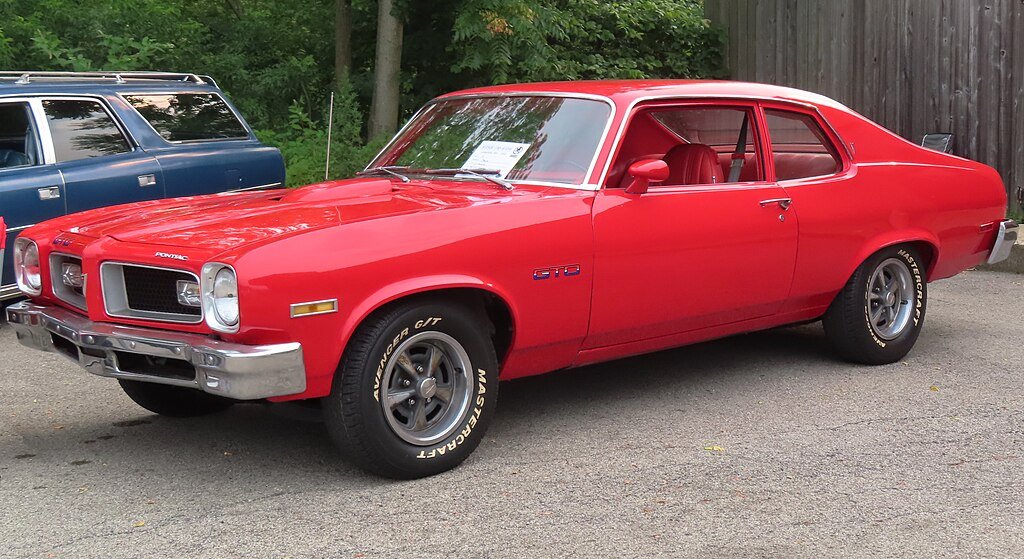
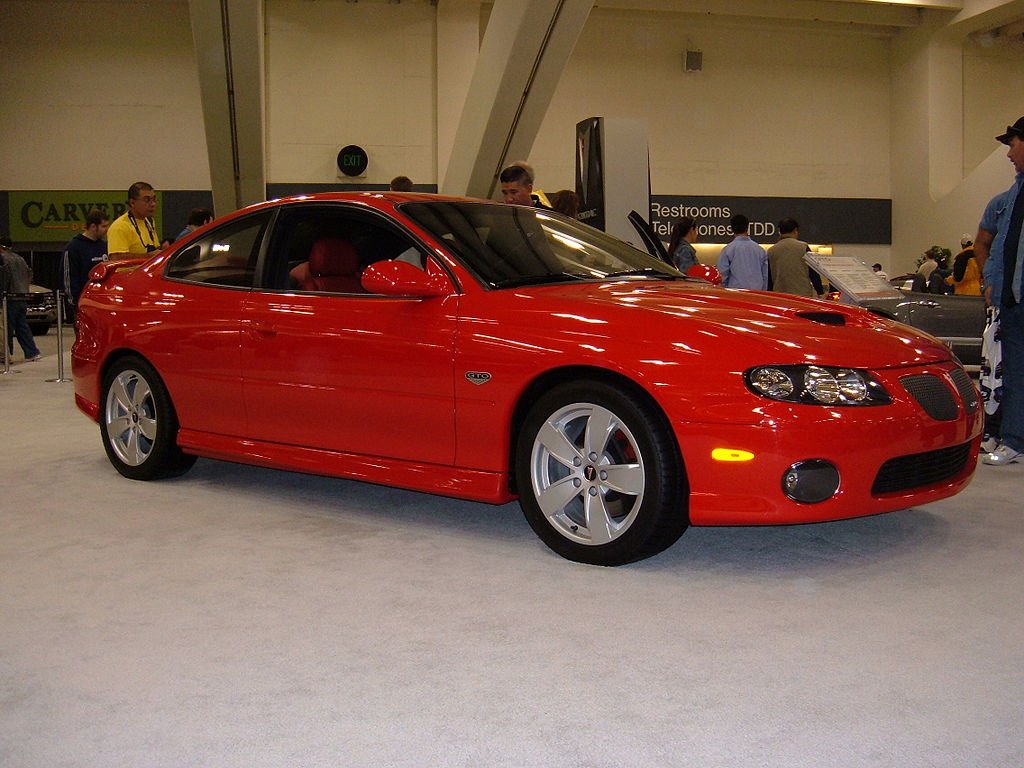
The GTO story encompasses both the sunset of the original muscle car era and an ambitious modern revival. This article explores the third-generation GTO (1973-1974) and its spiritual successor, the modern GTO (2004-2006), examining how each adapted to the challenges and opportunities of their respective eras.
Third Generation GTO (1973-1974): End of an Era
1973: A New Direction
The 1973 GTO marked a significant departure from its predecessors. Facing increasing insurance costs, stricter emissions standards, and the looming fuel crisis, Pontiac moved the GTO package to the compact LeMans platform. This transition reflected the changing automotive landscape of the early 1970s.
Key Features of the 1973 Model
The 1973 GTO represented a dramatic shift in muscle car philosophy. While downsized compared to its predecessors, it maintained the GTO’s performance heritage through careful engineering and weight reduction. The lighter chassis actually improved handling characteristics, while distinctive styling elements ensured the car’s identity wasn’t lost in the transition. Pontiac’s designers and engineers worked to create a package that could meet new regulations while still delivering an exciting driving experience:
- Available only as an option on the LeMans sport coupe
- Standard 400 cubic-inch V8 rated at 230 hp
- Optional 455 cubic-inch V8 producing 250 hp
- Distinctive dual-scoop hood
- Special grille treatment
- GTO-specific trim and badges
- Improved handling due to lighter weight
1974: The Final Year
The last year of the original GTO saw further changes as Pontiac adapted to new regulations and market conditions:
- Only available as an option on the Ventura model (Pontiac’s version of the Chevrolet Nova)
- Standard 350 cubic-inch V8 with 200 hp
- Optional 400 cubic-inch V8 with 225 hp
- Unique hood design with functional air extractors
- Special suspension tuning
- Production limited to 7,058 units
Modern GTO (2004-2006): The Legend Returns
Development and Introduction
In the early 2000s, Bob Lutz championed the return of the GTO as part of a performance renaissance at General Motors. The new GTO was based on the Australian-built Holden Monaro, combining modern technology with traditional muscle car values.
2004: The Revival
The modern GTO’s introduction brought mixed reactions from enthusiasts:
Technical Specifications
The modern GTO was built on a sophisticated platform that combined world-class handling with traditional American V8 power. Its rear-wheel-drive architecture and fully independent suspension represented a significant advancement over the solid-axle muscle cars of the past. The powertrain was thoroughly modern, featuring an aluminum block, sequential fuel injection, and sophisticated engine management that helped deliver both performance and reasonable fuel economy:
- 5.7L LS1 V8 engine producing 350 hp
- Choice of 6-speed manual or 4-speed automatic transmission
- Independent rear suspension
- Four-wheel disc brakes
- Modern chassis with excellent handling characteristics
- 0-60 mph in 5.3 seconds
- Quarter-mile times in the mid-13s
2005-2006: Refinement and Enhancement
The final two years saw significant improvements:
Key Updates
The 2005 and 2006 model years brought significant improvements to the modern GTO, addressing both performance and aesthetic concerns raised by enthusiasts. The most notable change was the adoption of the more powerful LS2 engine, which brought the GTO back to the forefront of the performance car segment. Visual updates, including the distinctive hood scoops, helped tie the modern car more closely to its heritage, while chassis refinements enhanced its already impressive handling capabilities:
- New 6.0L LS2 V8 engine producing 400 hp
- Revised hood design with dual scoops
- Enhanced exhaust system
- Updated interior features
- Improved brake package
- 0-60 mph in 4.7 seconds
Performance Comparison
Third Generation (1973-1974)
- 1973 400 V8: 230 hp, 250 lb-ft torque
- 1973 455 V8: 250 hp, 370 lb-ft torque
- 1974 350 V8: 200 hp, 295 lb-ft torque
- 1974 400 V8: 225 hp, 330 lb-ft torque
Modern GTO (2004-2006)
- 2004 5.7L LS1: 350 hp, 365 lb-ft torque
- 2005-06 6.0L LS2: 400 hp, 400 lb-ft torque
Collector’s Guide
Third Generation GTO Values
The final years of the original GTO hold unique appeal for collectors:
- 1973 Models: $15,000-$35,000
- 1974 Models: $18,000-$40,000
- Premium for 455-equipped cars: 25-40%
- Premium for documented original examples: 30-50%
Modern GTO Market
The modern GTO has begun to attract collector interest:
- 2004 Models: $12,000-$25,000
- 2005-06 Models: $15,000-$30,000
- Premium for 6-speed manual: 15-25%
- Premium for low-mileage, original examples: 20-40%
Investment Potential
Third Generation GTO
- Limited production numbers enhance collectibility
- Last of the original GTOs
- Growing appreciation among collectors
- Strong documentation often available
Modern GTO
- Limited production run
- Strong performance credentials
- Modern reliability with classic appeal
- Potential future collector value
Buying Considerations
Third Generation Pontiac GTO
When evaluating a 1973-74 GTO, potential buyers need to be particularly vigilant about authenticity and condition. These transitional years saw numerous running changes in production, and proper documentation is crucial for establishing a car’s provenance. Additionally, these models have some unique trouble spots that differ from earlier GTOs, requiring special attention during inspection:
- Authenticity of GTO package
- Engine and drivetrain matching
- Rust inspection, particularly in frame rails
- Documentation verification
- Original equipment presence
- Restoration quality
Modern GTO
The modern Pontiac GTO presents a different set of challenges for potential buyers. While these cars are generally more reliable than their classical counterparts, they combine American powertrain components with an Australian-built chassis and body, creating some unique considerations. Their relatively recent manufacture means that service history and accident damage are particularly important factors:
- Service history
- Modification status
- Accident history
- Electronics functionality
- Transmission condition
- Import compliance documentation
GTO Historical Significance
Both generations represent important chapters in the GTO story. The third generation demonstrates how a legendary nameplate adapted to changing times, while the modern GTO shows how classic muscle car values can be interpreted for contemporary audiences.
GTO Legacy
The third-generation GTO marked the end of an era, while the modern GTO represented an ambitious attempt to revive a legendary nameplate. Together, they bookend the GTO story with unique perspectives on American performance car culture.
Explore More GTO History
Want to learn more about these fascinating chapters in GTO history? Browse our detailed guides covering specific years, technical details, and market trends. Join our thriving community of classic car enthusiasts on Facebook – click here for “Classic Cars Online US: Classic Cars for Sale” to connect with fellow GTO fans, share your experiences, find your dream car, or showcase your own piece of muscle car history. Whether you’re interested in the original classics or modern performance, there’s a GTO story waiting for you!