
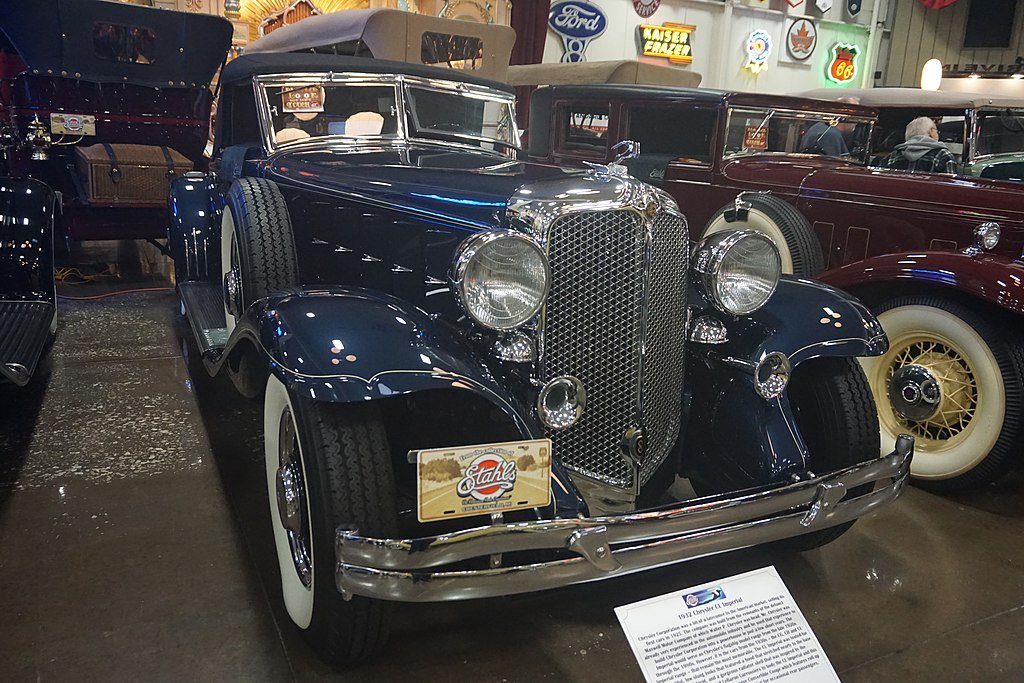
I love the elegance of the Chrysler Imperial through almost all of its iterations, so I was thrilled to begin this publishing series.
The Chrysler Imperial stands as one of America’s most prestigious luxury automobiles, representing the pinnacle of Chrysler engineering and design across nearly seven decades. From its inception in 1926 to its final iteration in 1993, the Imperial served as Chrysler’s flagship model, competing directly with Cadillac and Lincoln in the premium luxury segment.

Chrysler Imperial Origins (1926-1930)
The first Chrysler Imperial emerged as Walter P. Chrysler’s bold entry into the luxury market, establishing standards that would define the brand for decades to come. These early models showcased revolutionary features and exceptional craftsmanship that put Chrysler on par with established luxury marques. The hand-built construction and attention to detail set new standards for American automotive manufacturing, while innovative engineering features demonstrated Chrysler’s technical prowess.
- 1926 E-80 Chrysler Imperial introduced the powerful 92-horsepower straight-six engine
- Hand-built construction with custom coachwork options
- Industry-first four-wheel hydraulic brakes
- Premium materials including chrome-plated exterior hardware
Pre-War Era Chrysler Imperial (1931-1942)
This period marked significant technological advancement and design innovation, as Chrysler pushed the boundaries of automotive engineering and styling. The controversial Airflow design, while not immediately successful in the marketplace, proved to be decades ahead of its time in terms of aerodynamic efficiency. These years established Chrysler Imperial as a technical innovator willing to take bold risks in pursuit of automotive excellence.
- 1931-1933 CG Imperial’s advanced straight-eight engine
- Revolutionary Airflow aerodynamic design (1934-1936)
- Floating power engine mounting system
- Custom Chrysler Imperial series with traditional styling (1937-1942)
Media note: The 1934 Airflow Chrysler Imperial featured prominently in “The Toast of New York” (1937), showcasing its futuristic design.
Post-War Revival Chrysler Imperial (1946-1954)
The post-war era brought renewed focus on luxury and innovation, as Americans emerged from wartime restrictions hungry for premium automobiles. The Chrysler Imperial led the charge with groundbreaking technologies that would soon become industry standards. These years marked a transition from pre-war luxury conventions to modern automotive sophistication, establishing features that would define luxury cars for decades to come.
- Introduction of the legendary FirePower V8 engine (1951)
- First American car with standard power steering
- Fluid-torque drive transmission
- Semi-automatic “Prestomatic” transmission
Media note: A 1947 Chrysler Imperial played a memorable role in “Out of the Past” with Robert Mitchum, cementing its status as Hollywood’s preferred luxury car.
The Imperial Division (1955-1963)
The elevation of the Chrysler Imperial to its own division marked a golden age for the nameplate, featuring some of the most distinctive designs in automotive history. Virgil Exner’s “Forward Look” styling created rolling works of art that embodied America’s optimistic post-war spirit. This era saw Imperial achieve its greatest success as a true competitor to Cadillac and Lincoln, with innovations that influenced the entire industry.
- Signature split grille design
- Free-standing headlights (1955-1962)
- Dramatic tail fins and gunsight taillights
- Push-button transmission controls
- Torsion-bar suspension system
Media note: A 1955 Chrysler Imperial convertible appeared memorably in Hitchcock’s “North by Northwest” (1959), while a 1960 Crown Chrysler Imperial became a regular cast member in “The Green Hornet” TV series.
The Later Years of the Chrysler Imperial (1964-1975)
As automotive tastes evolved in the 1960s, the Chrysler Imperial adapted while maintaining its commitment to innovation and luxury. These models combined traditional Imperial grandeur with modern convenience features and safety innovations. The period saw Imperial pioneer new technologies while facing increasing competition from both domestic and international luxury brands.
- Introduction of the “Crown” series
- Optional mobile director seats
- First American car with anti-lock brakes (1971)
- Distinctive “fortress” design theme (1967-1968)
Media note: The Chrysler Imperial Crown series became a regular fixture on “Mission: Impossible,” representing high-tech sophistication.
Final Iterations of the Chrysler Imperial (1981-1983, 1990-1993)
The last chapters of Chrysler Imperial history reflected dramatic changes in the luxury car market and automotive technology. These models attempted to redefine American luxury for a new era, embracing electronics and efficiency while maintaining traditional Imperial qualities. Though these final versions found limited commercial success, they demonstrated Chrysler’s continued commitment to innovation.
- Electronic fuel injection system
- Digital instrumentation
- Front-wheel-drive architecture (1990-1993)
- Advanced electronic features
Media note: The 1981 Chrysler Imperial made regular appearances in “Dynasty,” symbolizing corporate success and power.
Technical Innovation Highlights of the Chrysler Imperial
Throughout its history, the Imperial served as Chrysler’s technical flagship, introducing numerous industry firsts and pioneering features. Many innovations that debuted on Imperial eventually became standard across the automotive industry. The brand’s commitment to technical advancement helped establish American leadership in automotive engineering.
- First American car with four-wheel hydraulic brakes (1926)
- Pioneering Airflow aerodynamic design (1934)
- Early adoption of hemispherical combustion chamber V8 (1951)
- First American car with standard power steering (1951)
- Introduction of auto-pilot cruise control system (1958)
- Early implementation of anti-lock brakes (1971)
Chrysler Imperial Design Legacy
The Chrysler Imperial’s distinctive styling elements influenced automotive design for decades, creating a unique design language that set it apart from competitors. Each generation contributed to a rich visual heritage that combined elegance with innovation. The brand’s willingness to embrace bold design choices while maintaining coherent themes helped establish a unique identity in the luxury car market.
- Signature split grille design
- Free-standing headlights (1955-1962)
- Gunsight taillights
- Forward Look styling with dramatic fins
- Curved side glass
- Center-opening “suicide” doors (select years)
Cultural Impact of the Chrysler Imperial
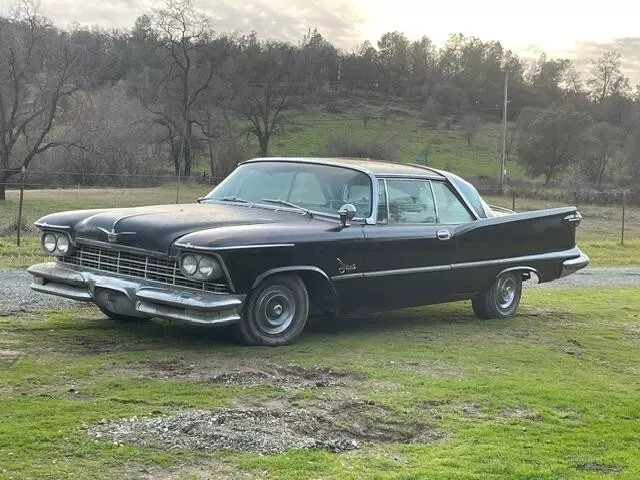
Beyond its role as a luxury vehicle, the Chrysler Imperial became a powerful symbol of American success and technological achievement. The car’s presence in popular culture helped establish it as more than just transportation, representing achievement and sophistication. Imperial owners included some of the most influential figures of their time, from entertainment to politics.
- Featured in numerous Hollywood films and TV shows
- Owned by celebrities including Frank Sinatra and Jackie Gleason
- Preferred transportation for government officials and diplomats
- Appeared in popular advertisements and magazines
- Used in presidential motorcades
Chrysler Imperial Investment Potential
Today’s collector market particularly values Chrysler Imperials for their historical significance and unique features. Certain Chrysler Imperial models command premium prices due to their rarity and importance in automotive history. Recent years have seen increasing appreciation for preservation-quality examples and professionally restored vehicles, with particular emphasis on limited-production variants.
- 1931-1933 CG Imperial
- 1934-1936 Airflow
- 1957-1959 Crown Imperial
- 1967-1968 Crown Coupe
- Limited production convertibles and limousines
- Special edition models
Ready to dive deeper into classic car culture? Explore more automotive history and find your dream classic car on our website. Follow Classic Cars Online US on NewsBreak for the latest updates and join our Facebook group “Classic Cars Online US: Classic Cars for Sale” to connect with fellow enthusiasts, share stories, and discover classic cars for sale in your area.