
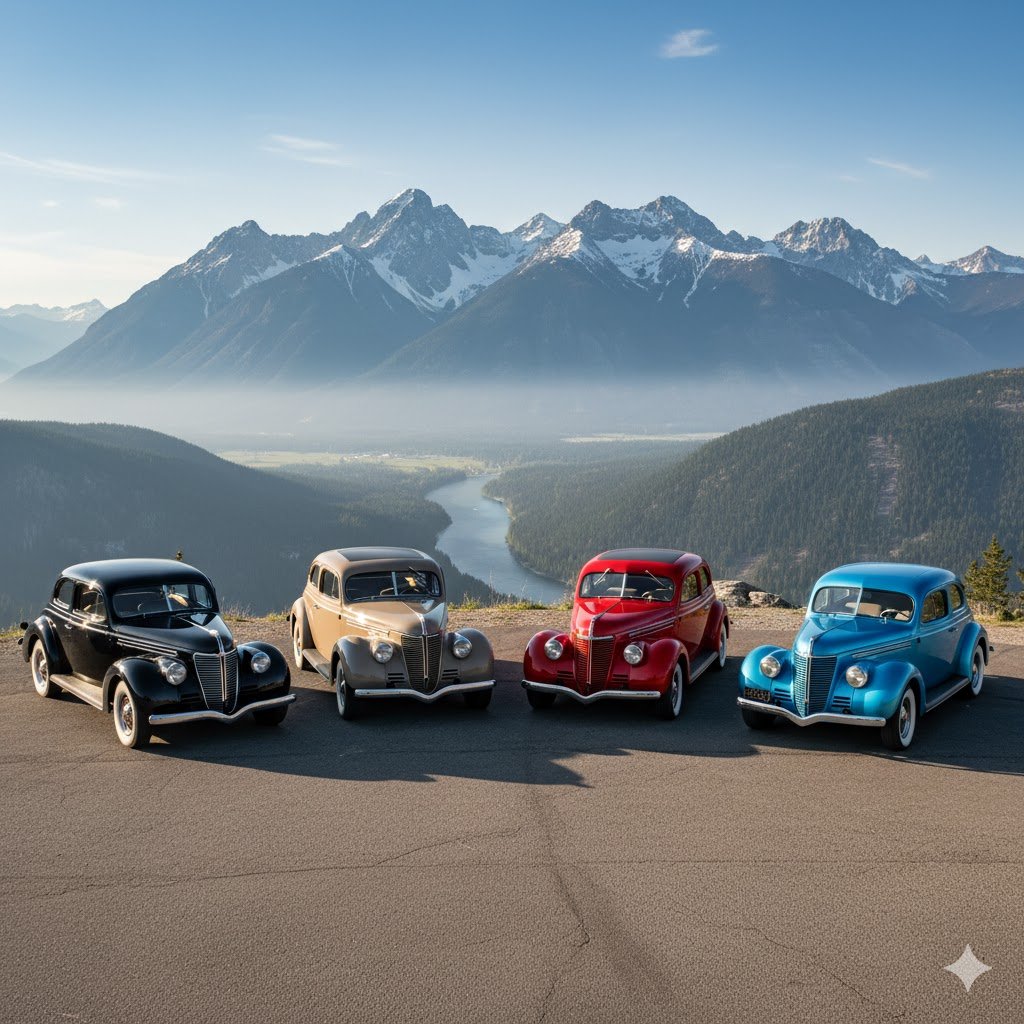
When most people think of Depression-era American automobiles, Ford, Chevrolet, and Plymouth typically come to mind. But there’s another car that not only survived the Great Depression—it thrived. The Hudson Terraplane was an affordable, powerful, and strikingly beautiful automobile that literally saved its parent company from bankruptcy. Even gangster John Dillinger chose a Terraplane as his getaway car of choice.
If you’re considering buying a Hudson Terraplane, researching their history, or just fascinated by 1930s automotive design, this is your complete guide to one of America’s most underappreciated classics.
What Is a Hudson Terraplane?
The Terraplane was a car brand and model built by the Hudson Motor Car Company of Detroit, Michigan, between 1932 and 1938. Positioned as Hudson’s affordable line, Terraplanes were inexpensive yet powerful vehicles designed to compete in the low-priced market segment dominated by Ford, Chevrolet, and Plymouth.
The name “Terraplane” might seem unusual today, but it was perfectly suited to the 1930s aviation craze. Hudson’s marketing department created a memorable slogan: “On the sea that’s aquaplaning, in the air that’s aeroplaning, but on the land, in the traffic, on the hills, hot diggity dog, that’s Terraplaning!”
Why the Terraplane Mattered
1936 Hudson Terraplane – Cream Four-Door
The Terraplane literally saved Hudson Motor Company during the worst economic crisis in American history. Hudson had previously offered the Essex as its budget line since 1919, but by 1932, declining Essex sales combined with Depression-era economic pressure forced the company to create something new.
Hudson president Roy D. Chapin made the bold decision to launch an entirely new model line in the depths of the Great Depression. That gamble paid off spectacularly. The Terraplane contributed enormously to Hudson’s survival, with sales actually outpacing Hudson’s own luxury vehicles in the mid-1930s. Between 1934 and 1937, Terraplane accounted for nearly 280,000 total sales.
The Three Eras of Terraplane Production
The Terraplane’s seven-year production run can be divided into three distinct phases, each with its own character and specifications.
Era One: Essex-Terraplane (1932-1933)
The new Essex-Terraplane launched on July 21, 1932, with tremendous fanfare. Over 2,000 dealers from 40 states traveled to Detroit for the introduction, and Hudson recruited celebrities to promote the car. Aviation pioneer Orville Wright received the very first Terraplane off the production line — a 1932 coupe. Amelia Earhart received the second car, a sedan, and actively helped promote the new model.
1932 Models:
- Only the Model K was available
- 106-inch wheelbase
- 193 cubic inch 6-cylinder engine
- Priced from $425 to $590
1933 Models:
- Model K retained (6-cylinder)
- Model KU added (6-cylinder on 113-inch wheelbase)
- Model KT introduced with 244 cubic inch straight-8 engine (113-inch wheelbase)
- “Standard” and “Deluxe” trim levels available
- The 1932 model had just “Essex” on the radiator ornament; 1933 models featured “Essex-Terraplane”
The 1933 Essex-Terraplane Eight was particularly notable. With its 8-cylinder engine and lightweight construction, it had the highest horsepower-to-weight ratio of any production automobile in the world at that time. This impressive performance made it the preferred vehicle of several notorious gangsters, including John Dillinger, Baby Face Nelson, and John Paul Chase. Law enforcement officers pursuing these criminals also favored Terraplanes for their speed and handling.
Era Two: Pure “Terraplane” (1934-1937)
In 1934, Hudson dropped the “Essex” name entirely, and the car became simply the “Terraplane.” This era represents the Terraplane’s golden age and includes the most commonly found survivors today.
Major Changes for 1934:
- New 212 cubic inch six-cylinder engine (80-85 horsepower)
- No more 8-cylinder option
- Three trim levels: Special, Challenger (112-inch wheelbase), and Major (116-inch wheelbase)
- Prices ranged from $565 to $880
1935 Updates:
- Engine power increased to 88 horsepower
- “Challenger” renamed to “DeLuxe”
- “Major” models discontinued
- Introduction of “Electric Hand”—a revolutionary vacuum-electric preselector gear shifter developed by Bendix (later used by Cord and Tucker)
1936 Models:
- All models consolidated to a single 115-inch wheelbase
- Series 61 DeLuxe and Series 62 Custom trim levels
- Series 61 Commercial line introduced
- 212 cubic inch L-head six-cylinder: standard 88 hp, optional 100 hp
- Industry first: steel roof sections on all models
- Distinctive “fencer’s mask” grille design
- DeLuxe wood-bodied station wagon exclusive to this year
- Production reached nearly 87,000 units—the best year for Terraplane
1937 Models:
- Engine power increased to 96-102 horsepower
- DeLuxe and Super trim levels
- Wheelbase stretched to 117 inches
- Small number of commercial chassis produced
- Production hit 90,253 units—another record year
- Continued the distinctive grille styling
Throughout this era, Terraplanes offered all common body styles: brougham and coach sedans (regular and trunkback “touring”), fixed-roof and convertible coupes, and a victoria (1934 only). Notably, roadsters and phaetons were never part of the official lineup.
Performance was impressive for the era. A British road test of a 1936 Terraplane sedan recorded 0-60 mph in 26.6 seconds and a top speed of 82 mph—highly creditable figures for a 2,800-pound car of the period.
Era Three: Hudson-Terraplane (1938)
By 1938, the Terraplane had become a victim of its own success. Each year the car had grown larger, more feature-rich, and more expensive until it was essentially a Hudson in all but name. For 1938, Hudson officially recognized this by renaming the line “Hudson-Terraplane.”
The 1938 models received Hudson badges and expanded to include Standard, DeLuxe, and Super models with an additional eight horsepower. However, Hudson also introduced the new “112” line, which meant Terraplanes were no longer the company’s smallest or most affordable cars. Sales disappointed, and after 1938, the Terraplane name was dropped entirely. The car’s spirit lived on in the 1939 Series 91 Pacemaker and Series 92 Six.
Technical Innovations
The Terraplane wasn’t just affordable — it was technologically advanced for its price point.
Duo-Automatic Brakes: One unique feature was the “Duo-Automatic” brake system. Terraplanes had two complete brake systems — hydraulic and mechanical. If the hydraulic brakes failed, the mechanical system would automatically engage, providing a safety backup decades before such systems became standard.
Electric Hand (1935+): The Bendix Electric Hand was a vacuum-electric preselector gear shifter introduced on 1935 Terraplanes. This innovative system allowed drivers to pre-select their next gear, with the actual shift occurring when the clutch was depressed. It was later adopted by luxury brands like Cord and Tucker.
Bendix Hydraulic Brakes: Four-wheel hydraulic brakes were standard across the Terraplane line, providing superior stopping power compared to the mechanical brakes still common on many competitors.
Advanced Suspension: The 1936 and later models featured Hudson’s “rhythmic ride” suspension, providing impressive handling and ride quality for the era.
The 1936 Hudson Terraplane: A Closer Look
The 1936 model year represents the peak of Terraplane production and popularity. With nearly 87,000 units produced, it was the most successful year for the nameplate. These cars are particularly desirable today for several reasons.
Design and Styling
The 1936 Terraplane featured Hudson’s new body design language, characterized by flowing fenders, graceful curves, and that distinctive fastback roofline that defined 1930s automotive elegance. The “fencer’s mask” grille with its vertical chrome bars created a bold, Art Deco-inspired front end that’s instantly recognizable.
The 1936 models were the first to feature steel roof sections, an industry innovation that improved structural rigidity and durability.
Specifications
Engine:
- 212 cubic inch (3.5-liter) L-head inline six-cylinder
- Standard output: 88 horsepower
- Optional high-compression version: 100 horsepower
- Single downdraft carburetor
- Distributor ignition
Drivetrain:
- Three-speed sliding gear manual transmission
- Rear-wheel drive
- Live rear axle with semi-elliptic leaf springs
Chassis:
- 115-inch wheelbase (unified across all passenger car models)
- Independent front suspension with coil springs
- Bendix four-wheel hydraulic brakes
- Overall length: 154 inches (commercial models)
Body Styles:
- Four-door sedans (brougham and touring)
- Two-door coupes (business and convertible)
- Station wagon (wood-bodied, DeLuxe only)
- Commercial vehicles (Series 61)
Why 1936 Models Are Desirable

The 1936 Terraplane sits at the sweet spot of the model’s evolution. By this year, Hudson had worked out early production issues, standardized the platform, and refined the design. The cars are robust, parts are relatively available through specialized suppliers, and the styling is arguably at its most attractive.
The unified 115-inch wheelbase across passenger car models also means that parts interchange more readily than earlier years with multiple wheelbases. For collectors and restorers, this simplifies sourcing replacement components.
Terraplane in Competition and Popular Culture
Racing Success
Terraplanes weren’t just affordable transportation—they were legitimate performance cars. English-designed and built bodies were constructed on Terraplane frames in the UK, and these cars competed successfully in motorsports.
Notable achievements include:
- Team Award at the 1933 Scottish Rally (two Terraplane tourers and a saloon)
- Multiple entries in the Monte Carlo Rally
- The Terraplane 8-cylinder chassis and engine powered the British Railton automobiles starting in 1933
- A 1934 Railton Light Sports Tourer achieved 0-60 mph in 8.8 seconds—sensational for the pre-war era
The Gangster Connection
The 1933 Essex-Terraplane Eight earned an unlikely but lasting reputation as the getaway car of choice for Depression-era gangsters. John Dillinger, Baby Face Nelson, and John Paul Chase all favored Terraplanes for their exceptional power-to-weight ratio, nimble handling, quick acceleration, and discreet appearance.
Ironically, law enforcement officers pursuing these criminals also chose Terraplanes, recognizing that they needed equally capable vehicles to catch the bad guys.
What to Look for When Buying a Terraplane
If you’re considering purchasing a Hudson Terraplane, here are key factors to evaluate:
Rust and Body Condition
Terraplanes are approaching 100 years old, and rust is the primary enemy. Carefully inspect:
- Floor pans and trunk floors
- Lower door edges and door jambs
- Fenders and running boards
- Frame rails and crossmembers
- Areas where wood framing meets metal (especially station wagons)
Cars stored in climate-controlled facilities typically fare much better than those exposed to weather. A Terraplane that’s “95% rust-free” is exceptional and worth a premium.
Mechanical Condition
The 212 cubic inch six-cylinder engine is robust and reliable, but verify:
- Compression across all cylinders
- Oil pressure (note: Terraplanes didn’t have factory oil pressure gauges)
- Whether the engine turns freely if it’s been sitting
- Condition of the cooling system
- State of the fuel system (old gas, sediment in tank)
Many Terraplanes received period modifications:
- 12-volt electrical conversions (originally 6-volt)
- Electric fuel pumps added
- Modern oil filters installed
These updates aren’t necessarily negative—they can improve reliability and usability. Just ensure modifications were done properly.
Interior and Upholstery
Original interiors are rare, but quality restorations are common. Look for:
- Condition of seat upholstery (many have been redone)
- Dashboard integrity (wood can crack or warp)
- Condition of door panels
- Headliner condition
- Window cranks and hardware function
Documentation
Having documentation adds value and authenticity:
- Original title or transfer documentation
- Service records
- Previous ownership history
- Original or period literature
- Build sheets or factory records (rare but invaluable)
Common Modifications
Many Terraplanes have been modified over the years. Common changes include:
- Engine swaps (Ford flathead V8s were popular)
- Suspension upgrades
- Brake system improvements
- Modern wiring harnesses
- Radial tire conversions
Decide whether you want a numbers-matching original, a thoughtfully modified driver, or a hot rod. Each approach has its merits and following in the collector community.
Current Market and Values
Hudson Terraplanes represent excellent value in the classic car market. While not as expensive as Duesenbergs or Packards, they offer comparable Art Deco styling, solid engineering, and fascinating history at a fraction of the cost.
Price Ranges as of Late 2025 (Approximate)
Project Cars: $5,000 – $15,000 Incomplete, needs extensive restoration, missing parts, significant rust
Driver Quality: $15,000 – $30,000 Runs and drives, presentable appearance, some wear, may need minor work
Show Quality: $30,000 – $60,000+ Frame-off restoration, correct details, concours-level finish
Rare Models: $40,000 – $75,000+ Convertibles, well-documented examples, exceptionally original survivors
Prices vary significantly based on model year, body style, condition, and documentation. Convertibles and coupes command premiums over sedans. The 1933 eight-cylinder models are particularly sought after by collectors interested in the gangster connection.
Where to Find Hudson Terraplanes for Sale
Online Marketplaces
eBay Motors: One of the best sources for classic Terraplanes. Listings range from project cars to restored examples. Always review seller feedback and request detailed photos and videos before bidding.
Hemmings Motor News: The traditional source for classic car listings, with detailed descriptions and photos.
Bring a Trailer: Higher-end auctions with thorough documentation and active bidding communities.
Classic car-specific sites: ClassicCars.com, OldCarOnline.com, and similar platforms regularly feature Terraplanes.
Clubs and Communities
Hudson-Essex-Terraplane Club (HET Club): The premier resource for enthusiasts. Members often have leads on cars for sale before they reach public listings.
Regional car clubs: Local vintage car clubs often know of Terraplanes in barns, garages, and estates.
Estate Sales and Auctions
Many Terraplanes surface through estate sales when long-term owners pass away. These can be excellent opportunities to find original, low-mileage survivors.
Featured Hudson Terraplanes
Description: This 1936 Hudson Terraplane four-door sedan represents a fantastic opportunity. Stored in a climate-controlled facility for the past 8-9 years, it features a redone interior, solid body that’s approximately 95% rust-free, and the original 212 cubic inch six-cylinder engine with a manual transmission. Recent updates include a 12-volt conversion and electric fuel pump.
Restoring and Maintaining a Terraplane
Parts Availability
While Terraplanes are orphan cars, parts availability is better than you might expect:
Specialty Suppliers:
- Vintage Auto Parts (general 1930s parts)
- Dennis Carpenter (reproduction parts)
- HET Club parts department
- eBay and swap meets (used original parts)
What’s Available:
- Mechanical components (many interchangeable with other Hudson models)
- Weatherstripping and rubber goods
- Some trim pieces and badges
- Engine rebuild kits
- Brake system components
What’s Challenging:
- Body panels (usually require fabrication or donor cars)
- Specific trim pieces and emblems
- Glass (especially curved rear windows)
- Unique year-specific parts
Expertise and Support
The Hudson-Essex-Terraplane Club is invaluable for restoration support. Members include experienced restorers, mechanics who understand these cars, and historians who can help with correct details.
Online forums and social media groups also provide community support, with members sharing tips, techniques, and sources for hard-to-find parts.
Why Buy a Hudson Terraplane?
If you’re considering a 1930s classic car, here’s why a Terraplane deserves your attention:
Distinctive Styling: Art Deco design that’s elegant without being ostentatious
Fascinating History: The car that saved Hudson, favored by gangsters and lawmen alike
Affordable Entry: Much less expensive than comparable Packards, Auburns, or Cords
Usability: These are real cars that can be driven and enjoyed, not just trailer queens
Community: Active club with knowledgeable, welcoming members
Investment Potential: Undervalued compared to other 1930s classics—room for appreciation
Conversation Starter: Nobody shows up at a car show with a Terraplane—you’ll stand out
Conclusion
The Hudson Terraplane represents one of the most interesting chapters in American automotive history. Born from necessity during the Great Depression, these cars combined affordability with genuine performance and stunning Art Deco styling. They saved their parent company from bankruptcy, earned a reputation as gangster getaway cars, and competed successfully in motorsports.
Today, Terraplanes remain accessible to collectors who appreciate 1930s design but don’t want to spend six figures on a classic car. Whether you’re looking for a weekend driver, a restoration project, or a unique piece of automotive history, the Hudson Terraplane delivers style, substance, and stories.
As these cars approach their centennial, they’re being recognized as important artifacts of Depression-era American ingenuity. Now is an excellent time to find and preserve one of these remarkable automobiles before they become even more scarce.
Frequently Asked Questions
Q: Are Hudson Terraplane parts still available? A: Yes, though some parts require sourcing from specialty suppliers, the HET Club, or fabrication. Mechanical components are generally available, while body panels can be challenging.
Q: What’s the difference between an Essex-Terraplane and a Terraplane? A: Essex-Terraplane was the name used in 1932-1933. From 1934-1937, the car was simply called Terraplane. In 1938, it became the Hudson-Terraplane before the name was discontinued.
Q: Are Terraplanes reliable as drivers? A: With proper maintenance and thoughtful upgrades (like 12-volt electrical systems), Terraplanes can be reliable drivers. They’re mechanically straightforward and robust.
Q: Why did Hudson discontinue the Terraplane? A: The Terraplane became too successful and grew too close to Hudson’s main line in size, features, and price. By 1938, it no longer served its original purpose as the budget alternative.
Q: Which year is the best Terraplane to buy? A: The 1936 model year represents the sweet spot—refined engineering, unified platform, attractive styling, and high production numbers mean better parts availability.
Q: Can I find a Terraplane on eBay? A: Yes! eBay regularly has Hudson Terraplanes listed, from project cars to show-quality examples. Always request detailed photos and documentation before bidding.
Classic Cars Online US is a participant in the eBay Partner Network, earning commission on qualifying purchases through affiliate links. All opinions and recommendations are our own.
Last updated: [Current Date]