
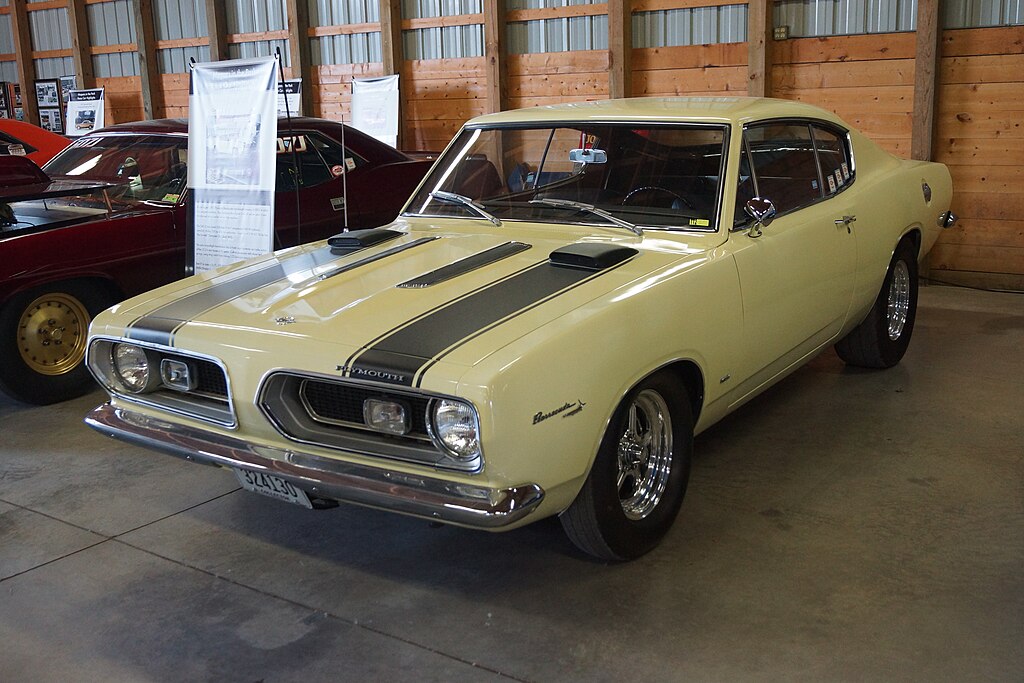
The Plymouth Barracuda underwent a significant transformation for its second generation, which ran from 1967 to 1969. While the first-generation Barracuda had been essentially a Valiant with a fastback, the second-gen models established a more distinct identity while still sharing some underpinnings with its Plymouth siblings.
A Fresh Design Language
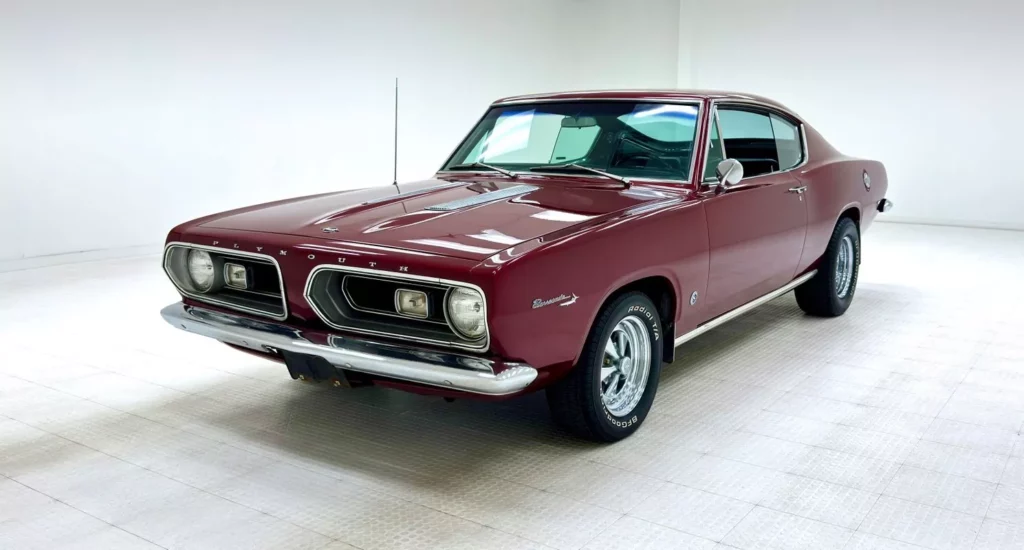
The 1967 redesign gave the Barracuda a completely fresh look with curved side glass and a more aggressive stance. Unlike its predecessor, the second-generation Barracuda offered three distinct body styles: a notchback coupe, a convertible, and the signature fastback. This diversity allowed Plymouth to compete more effectively against Ford’s Mustang and Chevrolet’s Camaro.
The fastback model retained a version of the distinctive wraparound rear glass from the first generation, but with a more refined and purposeful appearance. The overall design was cleaner and more cohesive, giving the car a sportier profile that better matched its performance aspirations.
Power to Match the Look
Under the hood, the second-gen Barracuda finally had muscle to match its sporty appearance. Engine options expanded significantly, ranging from the economical 225 cubic inch Slant Six to the mighty 383 cubic inch V8 that churned out 280 horsepower. For 1968, Plymouth added the Formula S package, which included the 340 cubic inch V8 — a smaller but high-revving powerplant that made the Barracuda a more nimble performer.
By 1969, serious performance enthusiasts could even order the 440 cubic inch V8 or the legendary 426 Hemi, though these massive engines made the car somewhat nose-heavy and compromised handling.
The Barracuda’s Place in Muscle Car History
The second-generation Barracuda arrived at the perfect time — right as the muscle car wars were heating up. While it never achieved the sales numbers of the Mustang, the 1967-1969 Barracuda earned respect for its combination of style, performance options, and that unmistakable Mopar character.
These models represented an important transition period for the Barracuda, bridging the gap between the Valiant-based original and the completely redesigned 1970 E-body models. Many collectors particularly value the Formula S models and the rare performance-optioned convertibles from this generation.
Today, well-preserved second-generation Barracudas command strong prices at auction, though they remain somewhat more affordable than their third-generation counterparts — making them an excellent entry point for serious Mopar enthusiasts.
Want to see more classic American muscle cars and stay updated on the collector car market? Follow Classic Cars Online US on NewsBreak and join our community on the Classic Cars Online US Facebook page!