
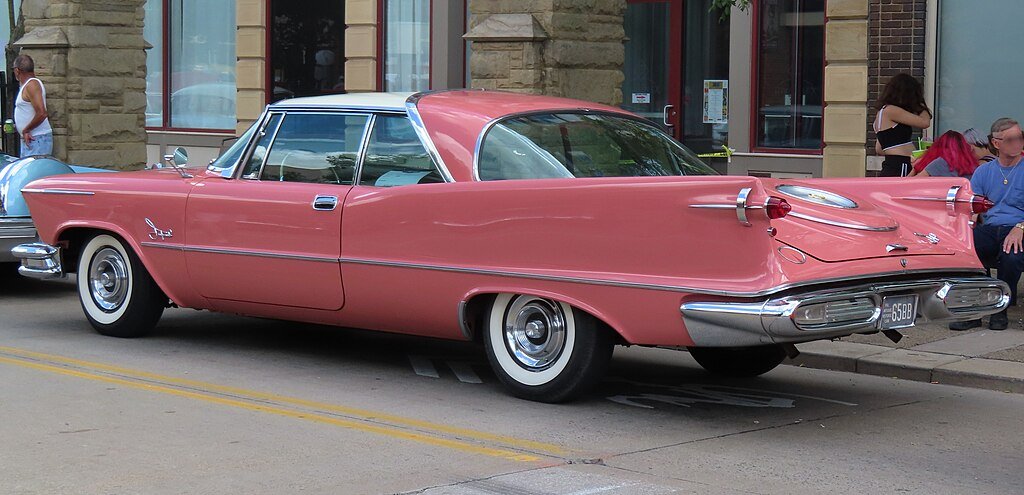
A Bold Break from Tradition
Following the success of its predecessor, the first-gen Chrysler Imperial, the second-generation Imperial emerged in 1957 as Chrysler’s bold declaration of luxury independence. No longer content to merely compete with Cadillac and Lincoln, this new Imperial showcased distinctive styling that set it apart from anything else on American roads.
Exner’s Masterpiece in Metal
Virgil Exner’s “Forward Look” design philosophy reached its pinnacle with this generation. The Imperial’s soaring tailfins, gunsight taillights, and free-standing headlights created an unmistakable presence that epitomized late-1950s automotive grandeur. The iconic “FlightSweep” deck lid, with its raised center section and crisp angles, became a signature element that distinguished the Imperial from its luxury competitors.
Engineering Excellence
Under its dramatic sheet metal, the Imperial continued to showcase Chrysler’s engineering prowess. The proven Hemi V8 engine, paired with the sturdy TorqueFlite automatic transmission, delivered the smooth, effortless performance expected of a premium luxury car. The innovative torsion-bar suspension system, introduced during this era, provided a ride quality that many considered superior to its rivals.
Standout Features of the Second-Gen Imperial
- The revolutionary “FlightSweep” deck lid design incorporated a dramatic raised center section, creating a silhouette that was impossible to mistake for anything else on the road
- Push-button transmission controls added a futuristic touch to the dashboard, reflecting the era’s fascination with space-age technology
- Premium interior appointments included genuine leather upholstery and real wood trim, setting new standards for American luxury
Evolution Through the Years
Inside, the Imperial offered a level of luxury that justified its position as a separate brand from Chrysler. Throughout its run, this generation of Imperial saw thoughtful updates that kept it competitive. The 1960 model year brought a more refined grille design and smoother sides, while 1961 introduced a more contemporary roofline. By 1963, the dramatic fins had been tastefully reduced, reflecting changing tastes while maintaining the car’s dignified presence.
A Lasting Legacy

As we look back, the second-generation Imperial represents a unique period in American luxury car history. It was a time when distinctive design and engineering innovation were celebrated, and automotive personalities were allowed to shine. While sales never matched those of Cadillac, these Imperials earned respect for their quality, comfort, and unapologetic individuality.