
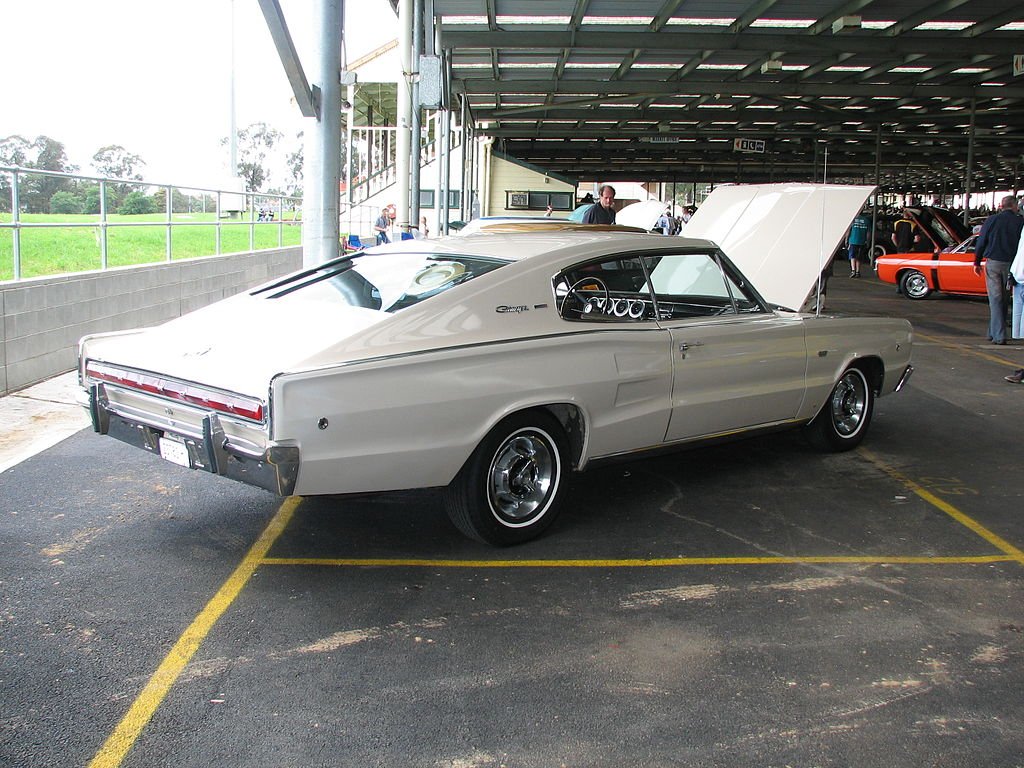
When Dodge unveiled the first-generation Charger in 1966, it marked the beginning of one of America’s most iconic muscle car lineages – a legacy that would span seven distinct Dodge Charger generations. Built on the B-body platform shared with the Coronet, this fastback-styled pioneer brought a fresh perspective to the personal luxury car segment while packing serious muscle under its hood.
Dodge Charger Design Innovation
The first-generation Dodge Charger’s most distinctive feature was its sleek fastback roofline, a dramatic departure from traditional Dodge styling. This aerodynamic profile was complemented by a full-width grille featuring hidden headlamps – a first for Dodge and a design element that would become a Charger trademark. Inside, the interior showcased an equally revolutionary approach with four bucket seats and a full-length center console, creating a sophisticated sports car atmosphere unusual for its time.
Dodge Charger Electroluminescent Innovation
The instrument panel of the Dodge Charger featured an electroluminescent dash, marketed as “Space Age” technology. This cutting-edge display system, which Chrysler branded as “Panelescent,” created a soft, glowing appearance that was both functional and futuristic. The effect was particularly striking at night, adding to the car’s premium feel.
Dodge Charger Powertrains and Performance
The 1966-67 Dodge Charger offered an impressive range of engine options:
The standard powerplant was the 318 cubic inch V8 producing 230 horsepower, but the real excitement came with the optional engines:
- 361 V8 generating 265 horsepower
- 383 V8 producing either 325 or 335 horsepower
- The legendary 426 Hemi V8, rated at 425 horsepower
The mighty Hemi engine could propel the Charger from 0-60 mph in just 6.4 seconds – impressive performance for its era. Transmission options included a three-speed manual, four-speed manual, or three-speed TorqueFlite automatic.
Dodge Charger Market Impact and Production Numbers
While the first-generation Charger’s sales weren’t astronomical (around 37,344 units in 1966 and 15,788 in 1967), it established the Charger as a serious contender in the muscle car market. The lower 1967 sales figures were largely due to increased competition and buyers waiting for the redesigned 1968 model.
Collectability of the Dodge Charger Today

First-generation Chargers have become increasingly sought-after by collectors, particularly Hemi-equipped models. Their unique styling, innovative features, and historical significance make them valuable additions to any classic car collection. Pristine examples can command prices well into six figures, with Hemi cars being the most valuable.
First-Gen Dodge Charger Special Features and Options
The 1966-67 Charger came well-equipped with several innovative features:
- Four individual bucket seats that folded flat for cargo space
- Full-length center console
- Hidden headlamps with vacuum-operated covers
- Electroluminescent instrument panel
- Optional vinyl roof covering
- Distinctive full-width taillights
Dodge Charger Racing Heritage
The first-generation Charger made its mark in NASCAR, though it struggled with aerodynamic issues at high speeds. This challenge would lead to significant improvements in the second generation, including the famous Charger 500 and Charger Daytona models.
Historical Significance of the First-Gen Dodge Charger
The 1966-67 Charger represents a crucial moment in automotive history when American manufacturers were beginning to blend luxury with performance. It bridged the gap between personal luxury cars like the Ford Thunderbird and pure muscle cars like the GTO, creating its own unique market position.
Dodge Charger Restoration Tips
For potential buyers or current owners, key areas to watch for include:
- Hidden headlight mechanism functionality
- Electroluminescent dash panel operation
- Rust in the rear window channel and trunk areas
- Authenticity of engine and transmission combinations
- Interior vinyl and trim condition, as these parts can be difficult to source
First-Generation Dodge Charger Legacy
While the first-generation Charger may not have achieved the same sales success as later models, it laid the groundwork for what would become one of America’s most beloved muscle cars. Its innovative design elements, powerful engine options, and unique features make it a significant piece of automotive history and a highly desirable classic today.
The 1966-67 Charger remains a testament to Dodge’s willingness to take risks and push boundaries in automotive design and engineering, setting the stage for the legendary models that would follow.
Stay Connected with Classic Cars Online US
Love classic cars? Don’t miss any of our upcoming deep dives into automotive history. Follow Classic Cars Online US on NewsBreak to have all our latest articles, news stories, and classic car profiles delivered directly to your news app. From detailed model histories like this Charger overview to restoration guides and classic car market insights, we’ve got your passion for automotive history covered.