
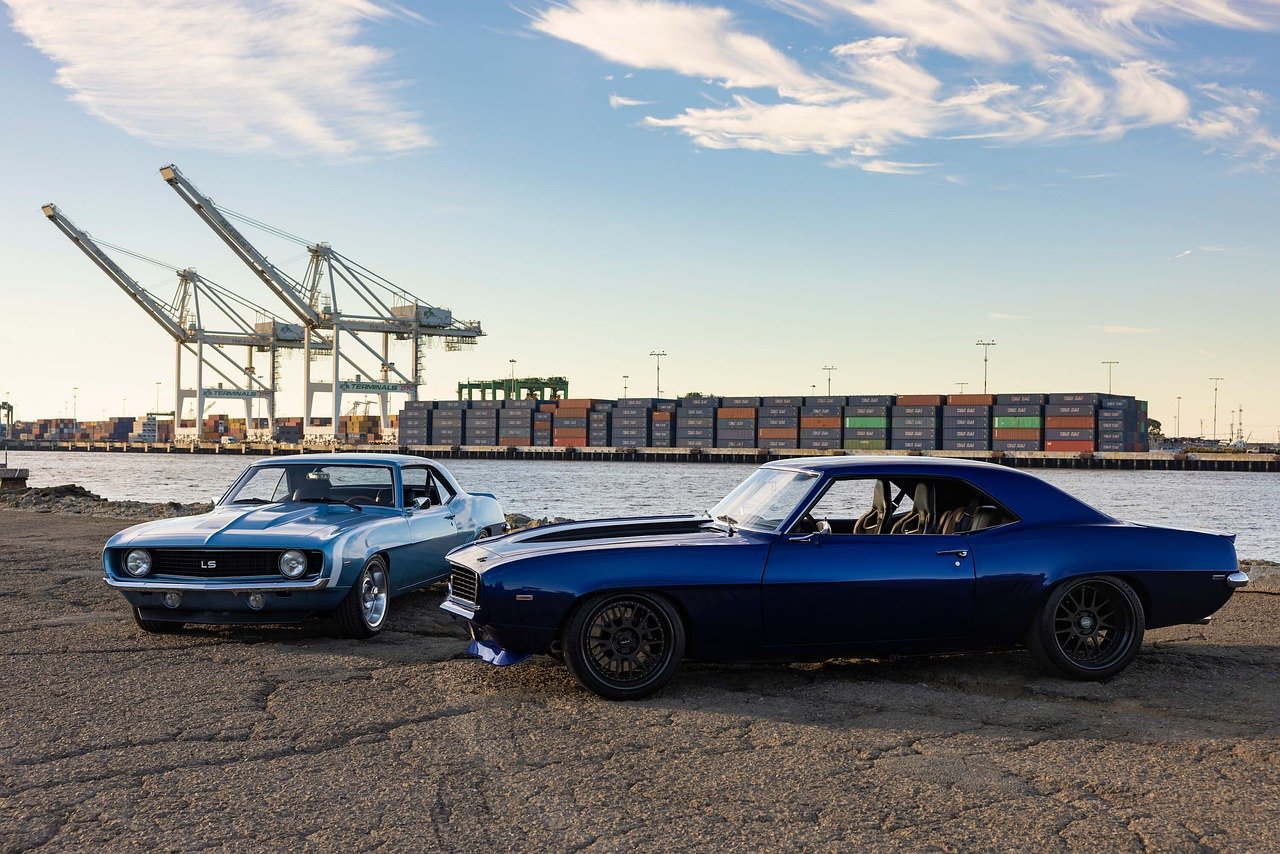
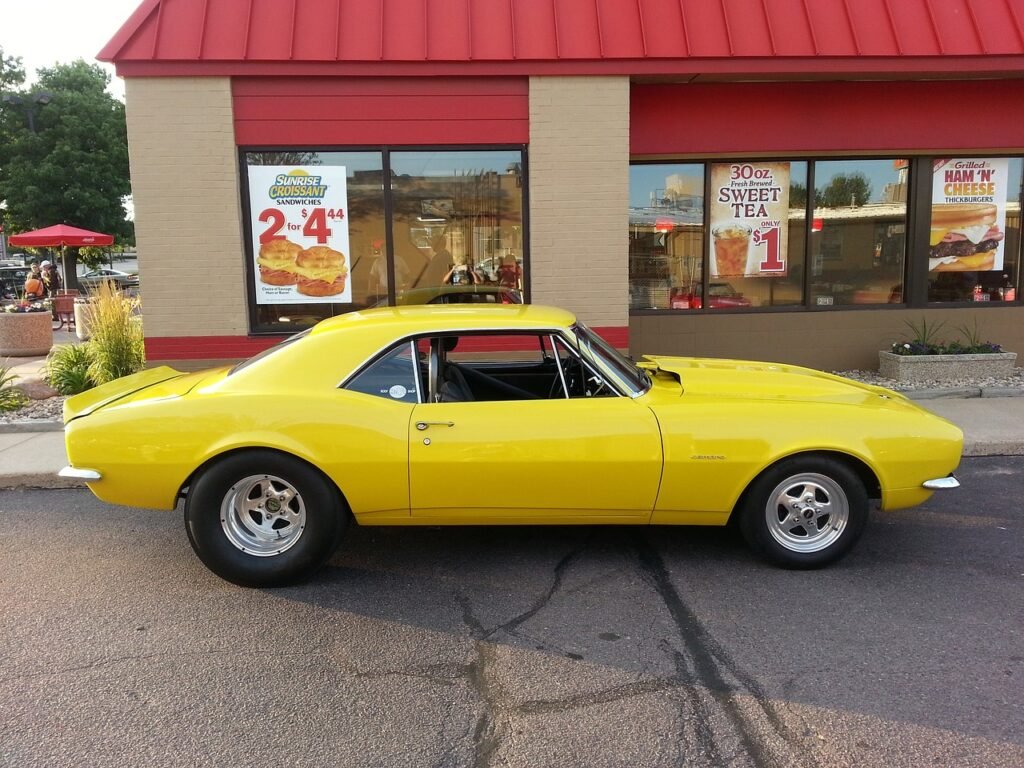
The story of the first-generation Chevrolet Camaro represents one of the most dramatic and successful product launches in automotive history. Born from GM’s need to answer Ford’s wildly successful Mustang, the Camaro would quickly establish itself as more than just a competitor—it became an American icon that continues to captivate enthusiasts more than five decades later.
Historical Context and Development (1965-1967)
In April 1964, Ford unleashed the Mustang on an unsuspecting public, creating the “pony car” segment and leaving General Motors scrambling to respond. GM’s answer began as the secretive “Panther” project, with development compressed into an unprecedented 24-month schedule. When pressed by journalists about the project, Chevrolet managers famously described a Camaro as “a small, vicious animal that eats Mustangs.”
The development team, led by GM’s engineering chief Ed Cole, faced immense pressure to deliver a car that could not only match the Mustang’s broad appeal but also surpass its performance capabilities. The result would need to satisfy multiple markets: daily drivers, style-conscious buyers, and serious performance enthusiasts.
Technical Specifications and Engineering
The first-generation Camaro rode on GM’s new F-body platform, featuring a unibody structure from the windshield and firewall back, with a separate steel rail subframe for everything forward. This innovative design provided excellent structural rigidity while allowing for easier engine access and better noise isolation than pure unibody construction.
Powertrain Options
The base engine was a 230 cubic inch (3.8L) inline-six producing 140 horsepower, but the heart of the Camaro lineup lay in its V8 offerings:
- 327 cu in (5.4L) Small Block V8: 210-275 hp
- 350 cu in (5.7L) Small Block V8: 295 hp (SS models)
- 396 cu in (6.5L) Big Block V8: 325-375 hp
- 427 cu in (7.0L) Big Block V8: 425+ hp (COPO cars)
Performance Packages
The Camaro launched with three distinct performance tiers:
- The base sport coupe and convertible
- The luxurious Rally Sport (RS) with hidden headlamps
- The high-performance Super Sport (SS) package
Most significantly, 1967 saw the introduction of the legendary Z/28 package. Created to homologate the Camaro for Trans Am racing, the Z/28 featured a special 302 cubic inch V8 (created by combining a 327 crankshaft with a 283 bore), along with upgraded suspension, brakes, and distinctive stripes.
Model Year Changes and Special Editions
1967 Camaro
The inaugural year established the Camaro’s basic design themes: long hood, short deck, and aggressive stance. First-year cars are distinguished by their vent windows in the doors and more delicate front grille design.
1968 Camaro
Changes included:
- Elimination of vent windows
- Side marker lights (federal requirement)
- Revised grille with more pronounced horizontal bars
- Enhanced safety features including shoulder belts
1969 Camaro
The most significant visual update of the first generation brought:
- New sheet metal below the beltline
- More pronounced wheel arches
- Revised grille design with a “V” cant
- Redesigned taillights and rear quarter panels
- New door skins and rear quarter panels
Special Editions of the First-Gen Chevy Camaro
The first-generation Camaro spawned several legendary special editions:
COPO Camaros: The Central Office Production Order system, typically used for fleet vehicles, became a backdoor method for dealers like Don Yenko to create ultra-high-performance Camaros with 427 cubic inch engines. COPO 9561 and 9737 Camaros are among the most valuable muscle cars ever produced.
Yenko Camaros: Don Yenko’s Pennsylvania dealership created approximately 200 modified Camaros between 1967 and 1969, initially converting cars themselves before utilizing the COPO system.
1969 Indy 500 Pace Car: Special white-and-orange RS/SS convertibles were built to commemorate the Camaro’s selection as the Indianapolis 500 pace car, with approximately 3,675 replicas sold to the public.
Racing Heritage
The Camaro’s competition history began almost immediately upon its release. The most significant racing success came in the SCCA Trans Am series, where Z/28-equipped Camaros driven by Mark Donohue dominated the 1968 and 1969 seasons for Roger Penske’s team.
In drag racing, the Camaro quickly established itself as a force in both Stock and Super Stock classes. Bill “Grumpy” Jenkins’ success with modified Camaros helped establish the car’s reputation for straight-line performance.
Production Numbers and Market Impact
Total 1st-generation Chevrolet Camaro production figures by year:
- 1967: 220,906
- 1968: 235,147
- 1969: 243,085
While the Camaro never outsold the Mustang during this period, it successfully established itself as a serious competitor and helped create a performance image for Chevrolet that would influence the brand for decades to come.
Cultural Significance
The first-generation Camaro’s impact extended far beyond the automotive world. Its aggressive styling and performance capabilities made it a symbol of American muscle car culture. The car appeared in numerous films and television shows of the era, cementing its place in popular culture.
The 1969 model year, in particular, is often considered the pinnacle of muscle car design, with the Camaro’s styling influencing automotive design for decades to come. Today, first-generation Camaros are among the most sought-after collector cars of their era, with rare models like COPO and Yenko cars commanding prices exceeding $500,000 at auction.
Legacy
The first-generation Camaro set the template for what would become one of America’s most enduring automotive nameplates. Its combination of style, performance, and adaptability created a formula that Chevrolet would continue to refine through successive generations. More than just a response to the Mustang, the 1967-1969 Camaro helped define the golden age of American performance cars and remains a benchmark against which modern muscle cars are judged.
Join Our Community
Are you passionate about classic Camaros and other iconic American cars? Join us in the Classic Cars Online US: Classic Cars for Sale Facebook group, where you’ll connect with fellow enthusiasts, share stories, and discover amazing vehicles for sale. Whether you’re a proud first-gen Camaro owner, a potential buyer, or simply appreciate these legendary machines, our community welcomes you. Share your restoration projects, seek advice from experienced collectors, and stay updated on the latest market trends. Visit our Facebook group today and become part of a thriving classic car community!Version 2 of 2