
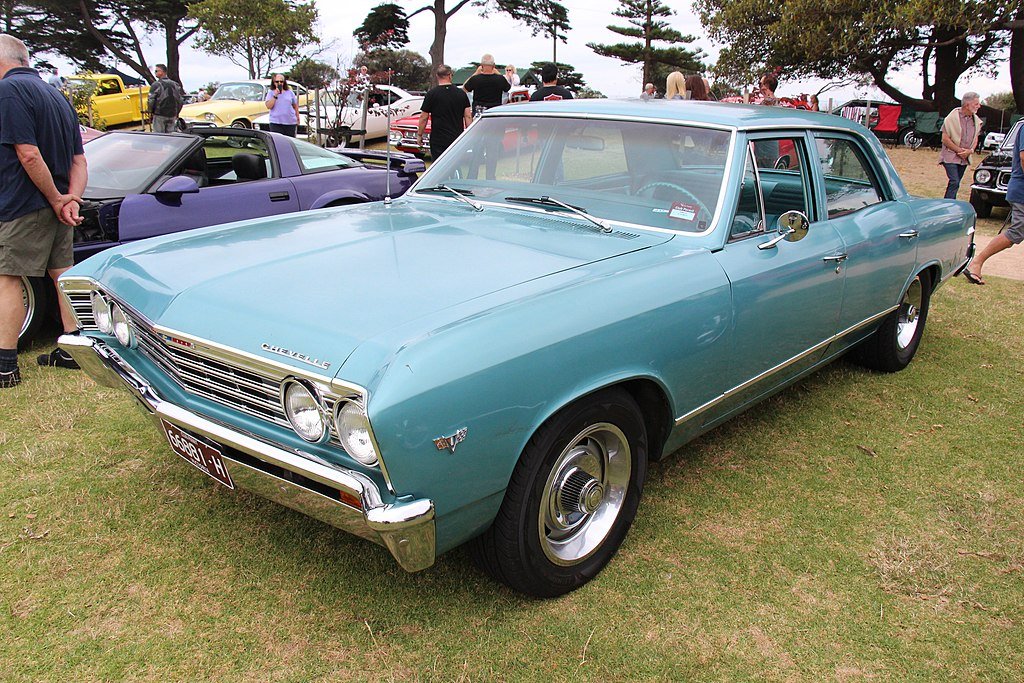
There’s something special about sliding behind the wheel of a Chevy Chevelle that just feels right. I’ve owned a couple of these iconic American muscle cars over the years, and each time I hear someone fire up the engine on one today, it takes me back to that golden time.
In my opinion, the throaty rumble of the V8, the classic lines of the body, and that unmistakable presence on the road – the Chevy Chevelle delivers a driving experience that’s hard to match.
A Brief History
The Chevrolet Chevelle made its debut in 1964 as Chevrolet’s mid-sized offering, positioned between the compact Nova and the full-size Impala. Over its 13-year production run from 1964 to 1977, the Chevelle established itself as one of America’s most beloved muscle cars, particularly in its high-performance SS (Super Sport) configuration.
Chevrolet Chevelle Generation Overview
First Generation Chevy Chevelle (1964-1967)
The inaugural Chevrolet Chevelle generation introduced the classic muscle car formula that would define the nameplate. Built on GM’s new A-body platform, it offered a range of options from practical family transportation to high-performance machines. The 1966-1967 SS396 models, with their powerful big-block engines, are particularly sought after by collectors today.
Second Generation Chevy Chevelle (1968-1972)
Often considered the peak of Chevelle design, this generation embraced the coke-bottle styling that defined the muscle car era. The 1970 SS454 with its LS6 engine option, capable of producing 450 horsepower, represents the pinnacle of classic muscle car performance. The bold styling, with its twin racing stripes and aggressive stance, created an iconic look that still turns heads today.
Third Generation Chevy Chevelle (1973-1977)
The final generation of the Chevelle adapted to changing times, with a focus on luxury and comfort while maintaining performance options. The colonnade hardtop styling gave these models a distinct look, though emission regulations and the fuel crisis led to decreased engine output compared to earlier years.
Legacy and Impact
The Chevelle’s influence on American car culture cannot be overstated. It perfectly embodied the muscle car era’s philosophy of offering powerful performance in a practical, mid-sized package. Whether in base, Malibu, or SS trim, these cars provided a perfect balance of style, performance, and everyday usability.
Having spent some time with these machines, I can attest to their enduring appeal. The Chevelle wasn’t just about straight-line speed – though it certainly had plenty of that. It was about the complete package: the way it handled, the sound it made, and how it made you feel behind the wheel. Even today, the sight of a well-maintained Chevelle causes enthusiasts and casual observers alike to stop and stare.
Fascinating Chevy Chevelle Facts
- The 1970 Chevelle SS 454 LS6 could run the quarter mile in 13.12 seconds right from the factory, making it one of the fastest production cars of its era and a legend that dominated both street and strip racing scenes.
- The name “Chevelle” was derived from blending “Chevrolet” with “Gazelle,” chosen to evoke images of grace and speed – though the final product became more known for its muscle than its elegance.
- The rare and coveted 1969 COPO Chevelles were special-ordered performance models that bypassed GM’s corporate power limitations, allowing for the installation of the mighty 427 cubic inch engine.
- The Chevelle’s basic design was so versatile that it spawned several other GM vehicles, including the Pontiac GTO, Oldsmobile Cutlass, and Buick Skylark, all sharing the same fundamental A-body platform.
- Despite its reputation for performance, the Chevelle was originally marketed as a practical family car, with wagon and sedan variants that offered features like fold-down rear seats and roof racks for increased utility.
Chevrolet Chevelle Collectability and Modern Appeal
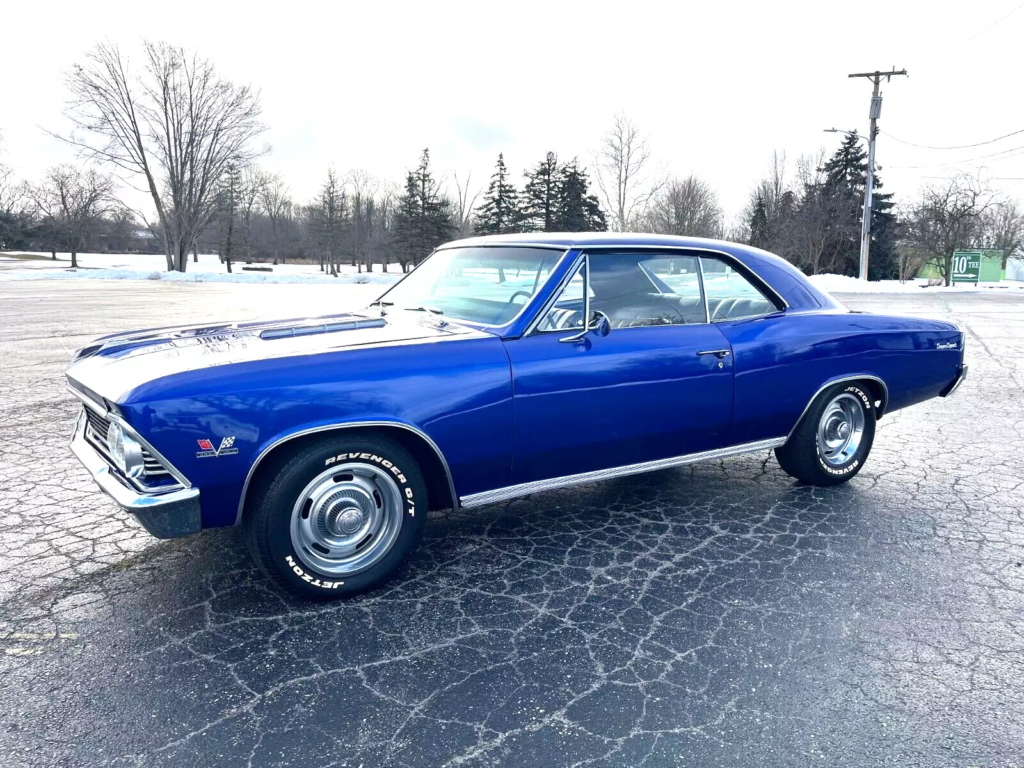
Today, Chevelles remain highly sought after by collectors and enthusiasts. The SS models, particularly those from 1968-1972, command premium prices at auctions. However, even the more modest trim levels have developed a strong following, appreciated for their classic styling and potential as restoration projects.
For those considering entering the classic car world, the Chevelle represents an excellent choice. Its mechanical simplicity makes it relatively straightforward to maintain, while strong aftermarket support ensures parts availability for both restoration and modification.
Whether you’re a seasoned collector or just developing an interest in classic cars, the Chevelle’s combination of style, performance, and historical significance makes it a compelling choice. Its legacy continues to influence automotive design and culture, serving as a reminder of an era when American muscle cars ruled the streets.
Join Our Community
Love classic Chevelles and other vintage cars? Connect with fellow enthusiasts in our Facebook group “Classic Cars Online US: Classic Cars for Sale“. Share your restoration stories, find your next project car, or just enjoy daily doses of automotive history. Click to join our growing community of passionate classic car owners and admirers.