
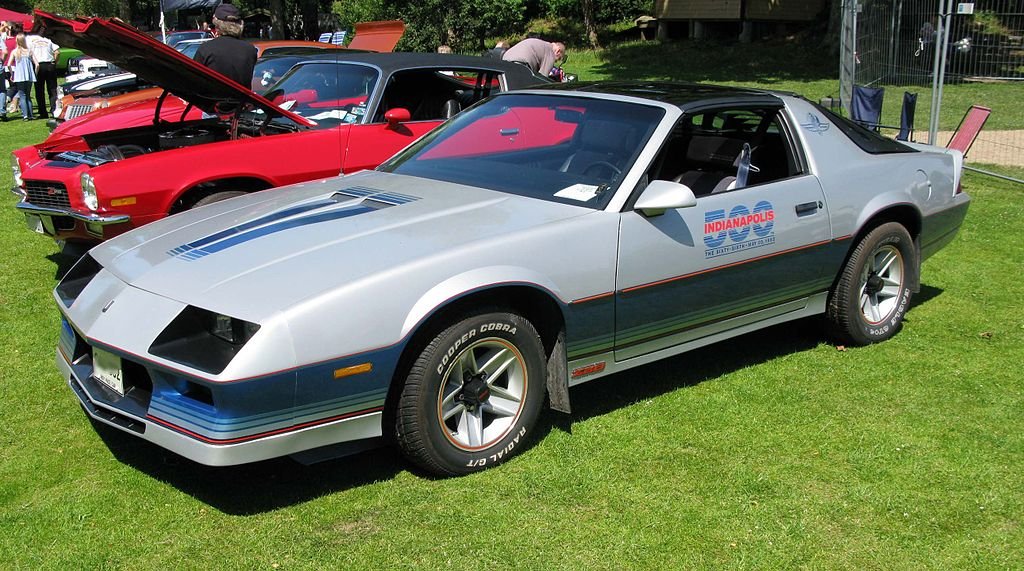
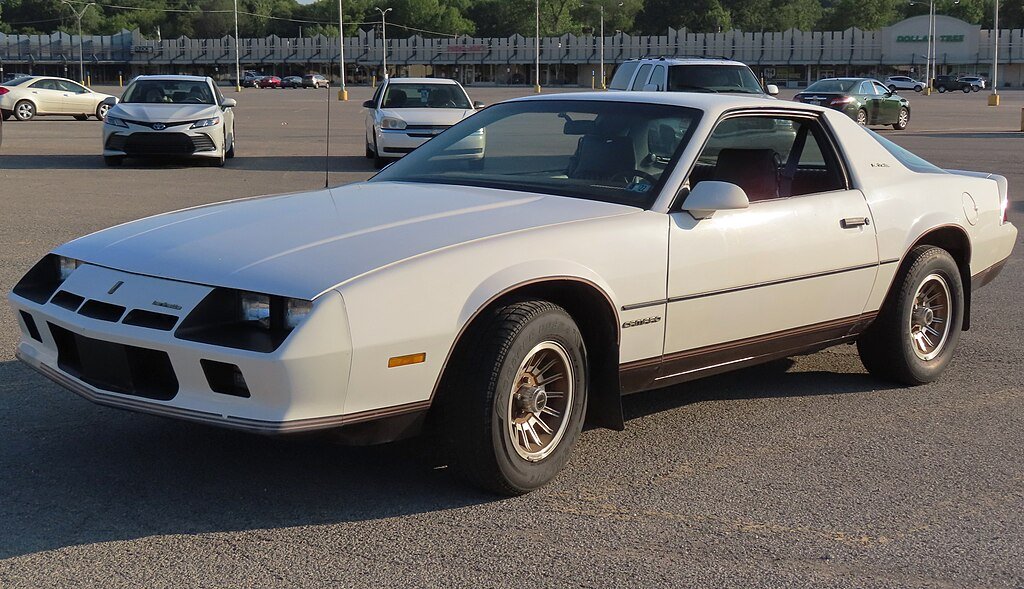
When Chevrolet unveiled the third-generation Camaro in 1982, it marked a dramatic departure from previous Camaro generations. The new design ushered in an era of aerodynamic styling and modern technology that would define American performance cars throughout the 1980s and early 1990s.
Design Evolution
The third-generation Camaro’s sleek, wind-tunnel-tested body represented a complete reimagining of the classic muscle car formula. Gone were the heavy, angular lines of the second generation, replaced by a thoroughly modern wedge shape with a sharply raked windshield and a dramatic 62-degree windshield angle. This new design wasn’t just for show – it reduced the drag coefficient to 0.368, making it one of the most aerodynamic cars of its time.
Real-World Ownership Experiences
While the Z28 and IROC-Z models often dominate discussions of third-generation Camaros, the base models with the 2.5L Iron Duke engine represent an important part of the car’s history. One former owner recalls their 1982 model equipped with the Iron Duke and three-speed automatic transmission: “It was a fun car to drive, though not particularly quick. The most memorable challenge was the air conditioning system – the Iron Duke’s modest power output meant the A/C only worked effectively at highway speeds, making city driving in summer rather uncomfortable.”
The base model Camaros differed significantly from their V8 counterparts in both equipment and appearance. While they shared the same sleek body design, base models featured softer suspension tuning, smaller 14-inch wheels (compared to the Z28’s 15-inch wheels), single exhaust, and simplified interiors. Standard features included cloth bucket seats, a basic AM radio, power brakes, and a more comfort-oriented suspension setup. Notable omissions from the base package included the fog lights, rear spoiler, and lower body cladding that came standard on Z28 models. However, many comfort and convenience options were still available, including power windows, air conditioning, cruise control, and an upgraded stereo system.
The presence of these more affordable, fuel-efficient Camaros played a crucial role in the model’s survival through the 1980s. During a period when fuel prices and economy concerns threatened the very existence of performance cars, the base models helped maintain steady sales volumes and kept dealership traffic flowing. This strategy proved successful – while other performance nameplates disappeared during this era (including the Mustang’s V8 option in 1984-1985), the Camaro maintained both its market presence and its performance heritage.
The base Camaro’s lower insurance costs and better fuel economy also attracted younger buyers to the brand, creating a path for future upgrades and brand loyalty. Many first-time Camaro owners started with these entry-level models before moving up to V8-powered versions later. This approach helped Chevrolet maintain a strong customer base during a challenging period for American performance cars, ensuring the Camaro’s survival through the fuel economy-focused 1980s and into the high-performance renaissance of the 1990s.
Today, surviving base model Camaros, particularly those with the Iron Duke engine, represent an interesting chapter in American automotive history. They showcase how manufacturers adapted to changing market conditions while maintaining their performance heritage, and they offer an affordable entry point into third-generation Camaro ownership and restoration.
Performance Specifications and Powertrains
The third-generation Camaro represented a significant leap forward in American performance car engineering, offering a diverse range of powertrains that evolved substantially throughout its production run. This generation marked the transition from carbureted engines to modern fuel injection systems, showcasing GM’s commitment to combining traditional muscle car performance with emerging technologies.
The platform’s versatility allowed it to accommodate everything from fuel-efficient four-cylinder engines to powerful V8s, making it accessible to a wide range of buyers while maintaining its performance heritage. The introduction of the Tuned Port Injection (TPI) system in 1985 particularly stands out as a turning point, dramatically improving both power delivery and fuel efficiency compared to the earlier Cross-Fire Injection system.
The third-generation Camaro’s performance evolved significantly throughout its production run, offering multiple engine and transmission combinations:
1982-1984 Chevrolet Camaro Engine Options:
- 2.5L Iron Duke L4: 90 hp, 132 lb-ft torque
- 2.8L V6: 102 hp, 142 lb-ft torque
- 5.0L V8 (Cross-Fire Injection): 165 hp, 240 lb-ft torque
- 5.0L H.O. V8: 175 hp, 245 lb-ft torque
1985-1990 Chevy Camaro Engine Options:
- 2.8L V6: 135 hp, 165 lb-ft torque
- 5.0L V8 (TPI): 215 hp, 275 lb-ft torque
- 5.7L V8 (TPI, IROC-Z): 230 hp, 330 lb-ft torque
- 5.0L V8 (TPI, 1LE): 230 hp, 300 lb-ft torque
1991-1992 Chevrolet Camaro Engine Options:
- 3.1L V6: 140 hp, 180 lb-ft torque
- 5.0L V8 (TPI): 230 hp, 300 lb-ft torque
- 5.7L V8 (TPI): 245 hp, 345 lb-ft torque
Performance Metrics (Factory Tested): IROC-Z with 5.7L (1989):
- 0-60 mph: 6.7 seconds
- Quarter mile: 14.9 seconds @ 95 mph
- Top speed: 145 mph
- Skidpad: 0.85g
Z28 with 5.0L TPI (1985):
- 0-60 mph: 7.2 seconds
- Quarter mile: 15.5 seconds @ 90 mph
- Top speed: 140 mph
- Skidpad: 0.83g
Transmission Options:
- 4-speed manual (1982-1983)
- 5-speed manual (1983-1992)
- 3-speed automatic (1982-1983)
- 4-speed automatic (1984-1992)
Suspension Specifications:
- Front: MacPherson struts, lower control arms, coil springs
- Rear: Live axle, torque arm, coil springs
- Sway bars: 32mm front, 21mm rear (Z28/IROC-Z)
- Steering: Power-assisted rack and pinion
- Brakes: 10.5-inch front discs, 9.5-inch rear drums (base)
- Performance option: 11.5-inch front discs, 11.0-inch rear discs
Notable Performance Packages:
- 1LE Package: Special braking, fuel system, and suspension upgrades
- G92 Performance Axle Package: Limited-slip differential, 3.42 gears
- B4C Police Package: Heavy-duty cooling, brakes, and suspension
Technological Innovations
The third-generation Camaro marked a revolutionary period in automotive technology, introducing numerous innovations that would become industry standards. This generation served as a testing ground for General Motors’ advanced engineering concepts, particularly in the areas of engine management and vehicle dynamics. The implementation of computer-controlled engine management systems represented a massive leap forward, allowing for precise control over fuel delivery and ignition timing that was impossible with mechanical systems.
The switch to MacPherson strut front suspension transformed the car’s handling characteristics, offering improved steering precision and reduced weight compared to the traditional double-wishbone design. The introduction of five-speed manual transmissions and four-wheel disc brakes on performance models further enhanced the car’s capabilities, while advanced aerodynamic design principles resulted in significantly improved high-speed stability and fuel efficiency.
Racing Heritage
The third-gen Camaro proved its worth on the track, dominating the SCCA Showroom Stock series and securing multiple championships in Trans Am racing. These racing successes helped cement the car’s reputation as a serious performance machine and influenced the development of special editions like the 1LE package, which was specifically created for showroom stock racing.
Market Values and Investment Potential
The third-generation Camaro represents an increasingly attractive investment opportunity in the classic car market, with values showing consistent appreciation over the past decade. This generation has long been overshadowed by its earlier siblings from the 1960s and early 1970s, creating a unique opportunity for collectors and enthusiasts to acquire significant vehicles at relatively accessible price points.
The market has shown particular strength in documented, original-condition cars and special editions, with IROC-Z models leading the value curve. Investment-grade examples are becoming increasingly rare as many cars were modified or suffered from deterioration over time, making original, well-preserved specimens particularly desirable.
The growing interest in 1980s vehicles among younger collectors, combined with the historical significance of this generation’s technological advances, suggests continued potential for value appreciation. Current market values (as of 2024) typically range:
IROC-Z Models (1985-1990):
- Concours Condition (#1): $35,000-45,000
- Excellent Condition (#2): $25,000-32,000
- Good Condition (#3): $15,000-22,000
- Fair Condition (#4): $8,000-12,000
Z28 Models (1982-1992):
- Concours Condition (#1): $28,000-38,000
- Excellent Condition (#2): $20,000-27,000
- Good Condition (#3): $12,000-18,000
- Fair Condition (#4): $6,000-10,000
Base Models:
- Concours Condition (#1): $18,000-25,000
- Excellent Condition (#2): $12,000-17,000
- Good Condition (#3): $7,000-11,000
- Fair Condition (#4): $3,000-6,000
Investment potential is particularly strong for:
- 1LE Package cars (rare racing homologation models)
- 1992 Heritage Edition models
- Low-mileage IROC-Z convertibles
- Documented racing history vehicles
- Original, unmodified examples with complete documentation
Key factors affecting value include:
- Original engine and drivetrain
- Documentation and service history
- Special editions (IROC-Z, 1LE, Heritage Edition)
- Modifications and restoration quality
- Overall condition and mileage
- Original paint and interior
- Complete emissions equipment
Performance Modifications and Value Impact
The third-generation Camaro’s robust platform has long been a favorite among performance enthusiasts, offering extensive potential for modifications while presenting unique challenges for value retention. The F-body platform’s inherent strength and adaptability make it an excellent candidate for performance upgrades, but the relationship between modifications and market value is complex and often counterintuitive.
While period-correct modifications can enhance both performance and value, modern upgrades must be carefully chosen and professionally installed to avoid diminishing the car’s worth. The key to successful modification lies in understanding the delicate balance between performance enhancement and historical preservation, as the market increasingly values authenticity and documentation.
This generation’s popularity in both street and racing applications has created a vast aftermarket, offering everything from mild upgrades to complete performance packages, each with its own implications for future value. Here’s a comprehensive guide to modifications and their impact:
Value-Enhancing Modifications:
- Period-correct performance parts (GM Performance, SLP, etc.)
- Professional installation with documentation
- Reversible modifications that preserve original parts
- Factory-style appearance upgrades
- Modern brake system upgrades
- Carefully selected suspension improvements
Value-Neutral Modifications:
- Quality aftermarket wheels in period-correct sizes
- Performance exhaust systems
- Cold air intake systems
- Modern air conditioning upgrades
- Updated audio systems (if reversible)
- Performance chip tuning
Value-Decreasing Modifications:
- Engine swaps without documentation
- Body modifications or non-factory aerodynamic additions
- Extreme suspension modifications
- Non-reversible interior changes
- Poor quality or incomplete modifications
- Missing original parts
Popular Performance Upgrades:
- Engine Modifications:
- Ported and polished cylinder heads
- Performance camshafts
- Roller rocker arms
- Headers and free-flow exhaust
- Upgraded fuel injection systems
- Suspension Improvements:
- Polyurethane bushings
- Performance springs and shocks
- Larger sway bars
- Subframe connectors
- Upgraded control arms
- Brake System Upgrades:
- Larger diameter rotors
- Multi-piston calipers
- Braided steel lines
- Performance pad compounds
- Master cylinder upgrades
Modification Guidelines for Value Preservation:
- Maintain all original parts for potential restoration
- Document all modifications with receipts and photos
- Use high-quality, name-brand components
- Keep modifications period-appropriate
- Consider reversibility in modification planning
- Focus on handling and safety improvements
- Maintain factory appearance where possible
Racing Modifications: Special consideration for cars modified for racing:
- Documented racing history can increase value
- Safety equipment must meet current standards
- Period-correct racing modifications are preferred
- Professional preparation is valued over amateur builds
- Racing heritage should be well-documented
Modern Performance Technology: Acceptable modern upgrades that can enhance value:
- Electronic fuel injection conversions
- Digital engine management systems
- Modern ignition systems
- Overdrive transmission conversions
- Updated charging systems
Legacy and Impact
The third-generation Camaro played a crucial role in modernizing the American performance car. Its combination of aerodynamic styling, fuel-injected engines, and advanced suspension systems helped bridge the gap between classic muscle cars and modern performance vehicles. This generation’s influence can still be seen in contemporary sports cars, particularly in their focus on balanced performance rather than just straight-line speed.
Common Restoration Challenges and Solutions
Third-generation Camaros present a unique set of restoration challenges that reflect both their advanced technology and specific design characteristics. These vehicles represent a transition period in automotive manufacturing, combining traditional body-on-frame construction with modern electronics and materials, creating distinct restoration requirements not found in earlier or later models.
The complexity of these cars’ systems, particularly in areas like engine management and body electronics, demands a comprehensive understanding of both mechanical and electronic restoration techniques. The increasing scarcity of original parts and the varying quality of reproduction components add another layer of complexity to the restoration process.
Successfully restoring a third-generation Camaro requires careful planning, extensive documentation, and often a combination of traditional restoration techniques with modern solutions to address the unique challenges these vehicles present.
Body and Structure:
- Rust-prone areas: Rear quarter panels, floor pans, and torque boxes
- T-top frame deterioration and seal failure
- Front subframe mounting points
- Door hinge sagging and misalignment Solution strategies: Preventive undercoating, regular inspection of drain holes, replacement with upgraded weatherstripping, and reinforcement kits for structural areas.
Electrical Systems:
- Dashboard circuit board failure
- Power window motor burnout
- ECM (Engine Control Module) failure
- ALDL diagnostic connector corrosion Solution strategies: Circuit board repair services, upgraded window motor assemblies, ECM rebuilding or modern replacement options.
Mechanical Systems:
- Fuel injection system deterioration
- Transmission mount failure
- Rear axle bearing wear
- Power steering rack leakage Solution strategies: Upgraded fuel system components, polyurethane mount replacements, modern bearing assemblies, and rebuilt steering racks with improved seals.
Interior Restoration:
- Dashboard cracking
- Seat foam deterioration
- Headliner sagging
- Console warping Solution strategies: UV-protective measures, reproduction foam kits, modern adhesive techniques, and reinforced reproduction parts.
Recommended Preventive Maintenance:
- Annual rust inspection and prevention
- Regular fluid analysis
- Suspension geometry checking
- Electronics system diagnostics
- Climate-controlled storage when possible
The third-generation Camaro represents a significant chapter in American automotive history. Its blend of modern technology and traditional muscle car spirit created a unique driving experience that continues to captivate enthusiasts today. Whether as a weekend cruiser, a track day warrior, or a show car, these Camaros offer an accessible entry point into classic car ownership while maintaining the potential for future appreciation.
Join Our Community of Classic Car Enthusiasts
Want to see more classic Camaros and other iconic vintage cars? Browse our extensive collection of classic car listings and articles right here on Classic Cars Online US. From barn finds to show winners, we showcase the full spectrum of classic American automotive history.
Ready to connect with fellow enthusiasts? Join our Facebook group “Classic Cars Online US: Classic Cars for Sale” to share your stories, ask questions, and become part of a passionate community dedicated to preserving and celebrating classic cars. Whether you’re a longtime collector or just getting started in the classic car hobby, you’ll find kindred spirits and valuable resources in our growing community.
Remember to check back regularly for new listings and articles. Your next classic car adventure might be just a click away!