
Originally published April 9, 2016 | Updated October 31, 2026
Two cars can roll off the same assembly line and end up looking nothing alike. One stays factory fresh. The other gets new wheels, a bold paint job and an interior that nobody else has. The difference is customization, and it all starts with the right accessories.
If you’ve ever wondered where to begin, which upgrades are worth the money, or which ones might make your car harder to sell later, this guide is for you. We’ll look at where custom cars came from, the accessories builders reach for most, and a few ways to personalize a ride without losing what makes it special.
From Hot Rods to Lead Sleds: How Custom Cars Got Started
Custom cars and hot rods grew up in the same neighborhood, but they aren’t quite the same thing. Hot rodders chased speed. They stripped weight, swapped engines and raced on dry lake beds and back roads. Customizers cared more about style. They wanted cars that looked long, low and smooth, like they were moving even when parked.
After World War II, plenty of young veterans came home with mechanical skills and a taste for something different. Used cars from the late 1930s and 1940s were cheap, and a lot of them became rolling art projects. By the 1950s, shops in Southern California, including Barris Kustoms and the Ayala shop, were turning ordinary sedans and coupes into show-stoppers, and car magazines and shows spread the look across the country.
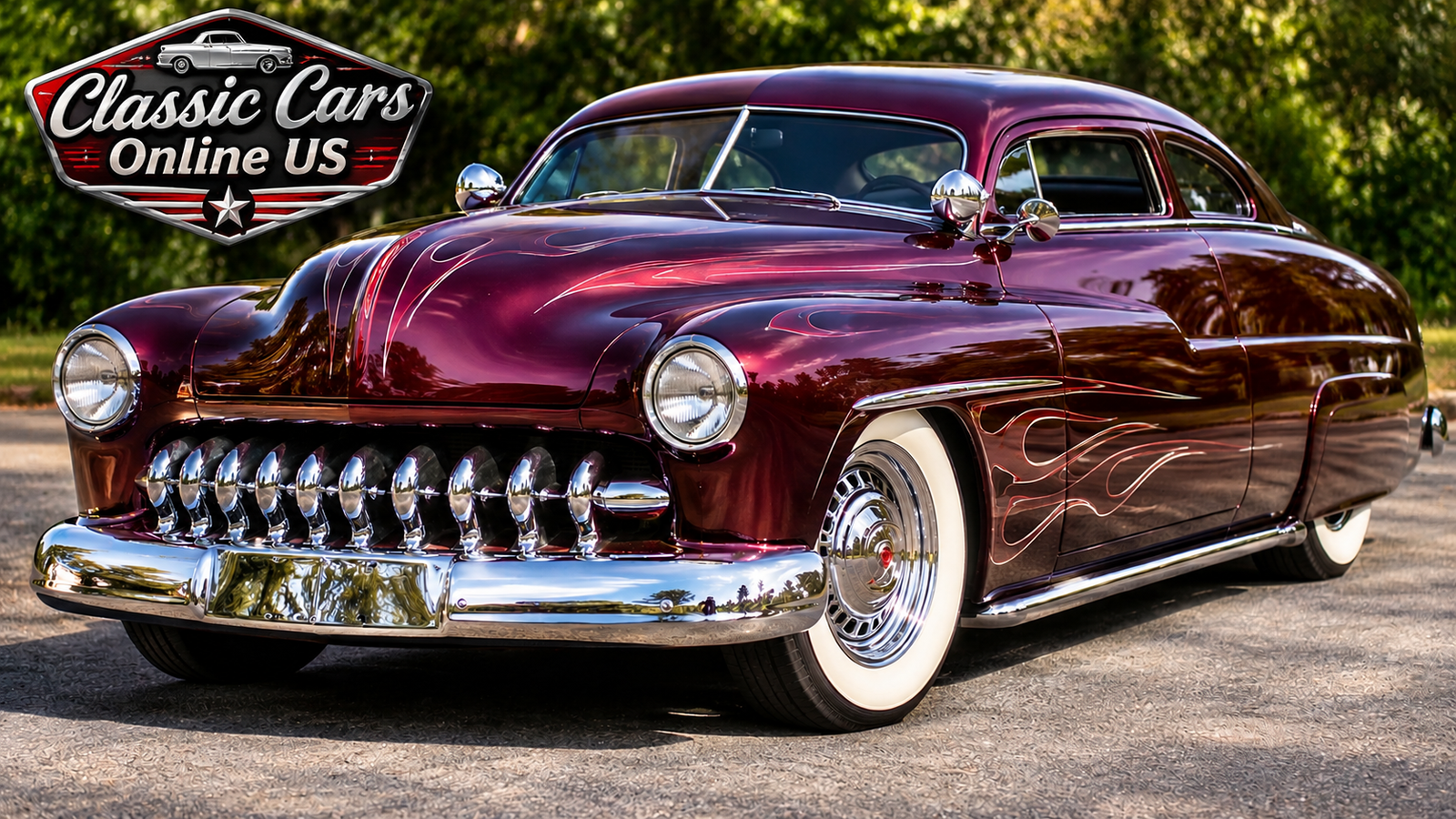
The stars of that era were the “lead sleds.” The nickname came from the lead that builders used to fill and smooth body seams, which gave the car a flowing, one-piece look. The 1949 to 1951 Mercury was a favorite starting point. The Revs Institute’s history of the Hirohata Mercury provides a look at the custom-car culture that helped make these Mercurys famous. Today, most builders use modern body filler instead of lead, but the name stuck, and calling a car a lead sled is now a compliment.
The Custom Car Accessories Builders Reach For Most
You don’t need a full Barris-style makeover to make a car your own. Many owners start small and add pieces over time. Here are the most popular places to begin.
Wheels and Tires
Nothing changes a car’s attitude faster than a new set of wheels. Classic customizers loved wide whitewalls, hubcaps with pinstriped details and the smooth lines of fender skirts. Street rod builders often go with polished steel or aluminum wheels. Whatever you choose, make sure the size and offset fit your car, and that the tires match the look you’re after.
Paint and Graphics
Custom paint is where personality shows up. Candy colors, metallic flakes, pearl finishes and hand-laid pinstripes all have deep roots in custom-car culture. Even a small touch, like a stripe or a set of subtle scallops, can set a car apart.
Interiors and Upholstery
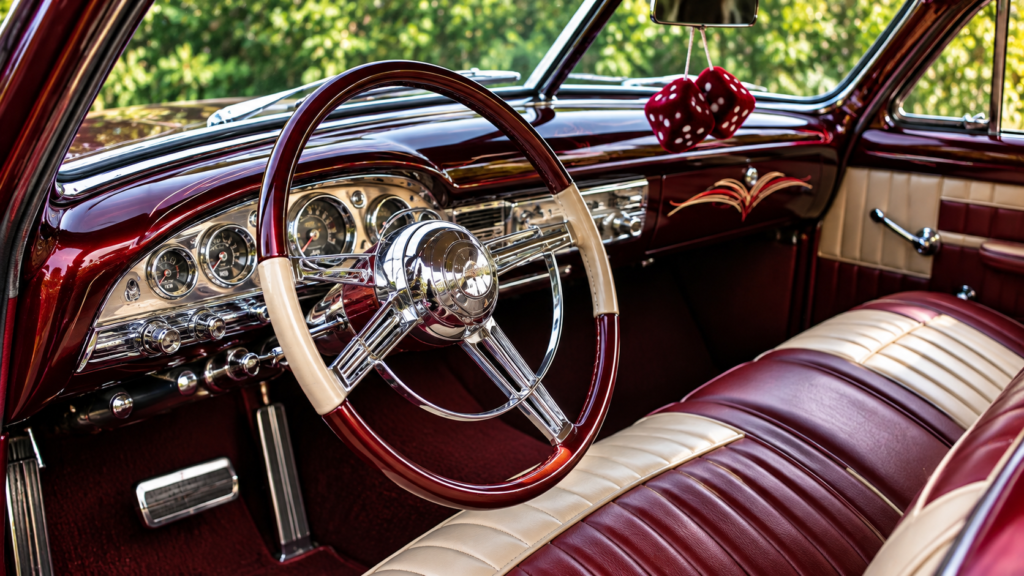
What’s inside counts just as much as what’s outside. Custom seat covers, door panels, headliners and carpet can change how a car feels every time you climb in. Pleated vinyl and rolled-and-pleated leather are classic choices. For more on this, read our guide to custom auto upholstery on vintage cars.
Chrome, Trim and Emblems
Custom builders have long played with trim. Some add extra chrome and bright accents. Others do the opposite and shave off emblems, handles and trim for a smooth, clean look. If you prefer to keep your original badges, our post on restoring car emblems and hood ornaments shows you how.
Gauges, Steering Wheels and Cockpit Details
A set of vintage-style gauges or a classic steering wheel adds charm right where your hands and eyes spend the most time. Choose pieces that fit the era or theme of your build so the cabin looks like it belongs.
Under the Hood and Underneath
For builders who want more than looks, accessories can include custom brakes, cooling upgrades, suspension parts, upgraded engines and drivetrains, and even powder-coated parts that resist rust. These upgrades can improve how the car drives, not just how it looks.
Smart Upgrades vs. Choices You May Regret
Taste is personal, but some upgrades tend to age better than others. Use this quick list as a gut check before you buy.
Upgrades that usually pay off:
- Wheels and tires in the right size and style for the car
- Quality paint and bodywork done by a skilled shop
- Interior upgrades that match the era of the build
- Seat belts, brake improvements and other safety and comfort upgrades
- Modest trim and chrome details that fit the car’s lines
Upgrades worth a second thought:
- Swapping in another brand’s emblems, which can confuse buyers and judges
- Cutting or drilling original body panels you can’t undo
- Lowering a car so far that it scrapes on every driveway
- Removing or disabling factory-installed safety equipment, including airbags or seat belts, can compromise safety and may create legal or inspection issues
- Wheels and tires that clash with the car’s era or body style
A good rule of thumb: favor reversible upgrades when possible. Think carefully before cutting, welding or permanently altering original body panels.
Planning Your Custom Build Without Blowing the Budget
Before you buy a single part, spend a little time planning.
- Pick a theme. Decide whether you want a period-correct custom, a modern street rod or something in between. A clear vision keeps your parts list from turning into a pile of mismatched pieces.
- Set a budget. Add up parts, labor and the surprise costs that always show up.
- Collect photos. Save pictures of cars you love at shows and online.
- Start with the foundation. Fix rust, brakes and mechanical problems before you add shiny things.
- Buy quality where it counts. Cheap parts often cost more in the long run.
Talk with a shop that has built custom cars before. Their experience can save you from fitment problems and wasted money.
Protect Your Custom Work
Custom paint, chrome and polished wheels take time and money, so they deserve good care. Wash gently, dry with soft towels and keep a quality wax or sealant on the paint and chrome. A car detailing kit with microfiber towels, paint protection products and chrome polish can help you keep your custom finish looking its best.
As an Amazon Associate, Classic Cars Online US earns from qualifying purchases.
Cover the car in storage and keep it out of damp spaces. A few small habits go a long way toward keeping your build show-ready.
Make It Yours Without Losing What Makes It Classic
The best custom cars feel personal, but they still respect the car underneath. You can add style, comfort and performance and still honor the shape and spirit of the original. Start with one accessory, learn as you go and enjoy the process. Every great custom started with a single idea and a builder willing to try it.
Join the conversation!
Follow Classic Cars Online US on YouTube for more classic-car features, custom-build stories and automotive history.
Join us on Facebook to share your favorite customs, compare notes with other enthusiasts and keep the conversation going.
There’s always another amazing car worth talking about. We’ll see you at the starting line!