
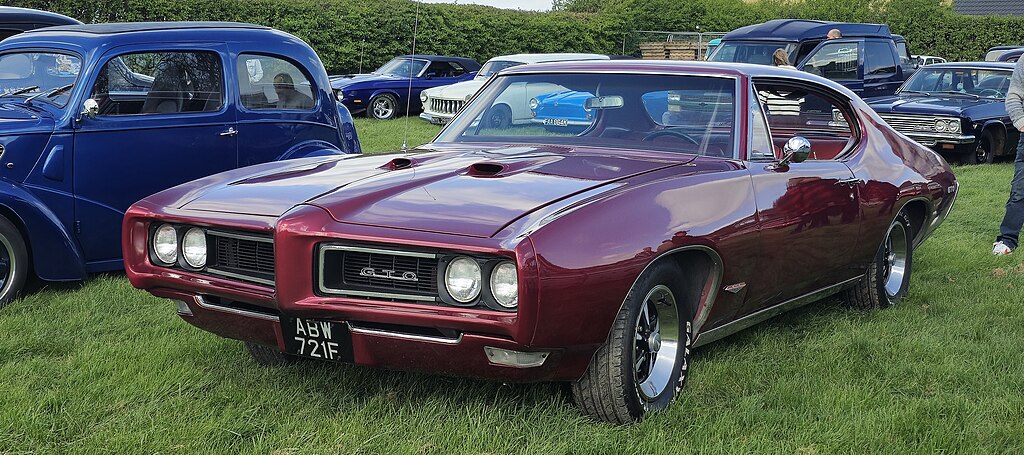
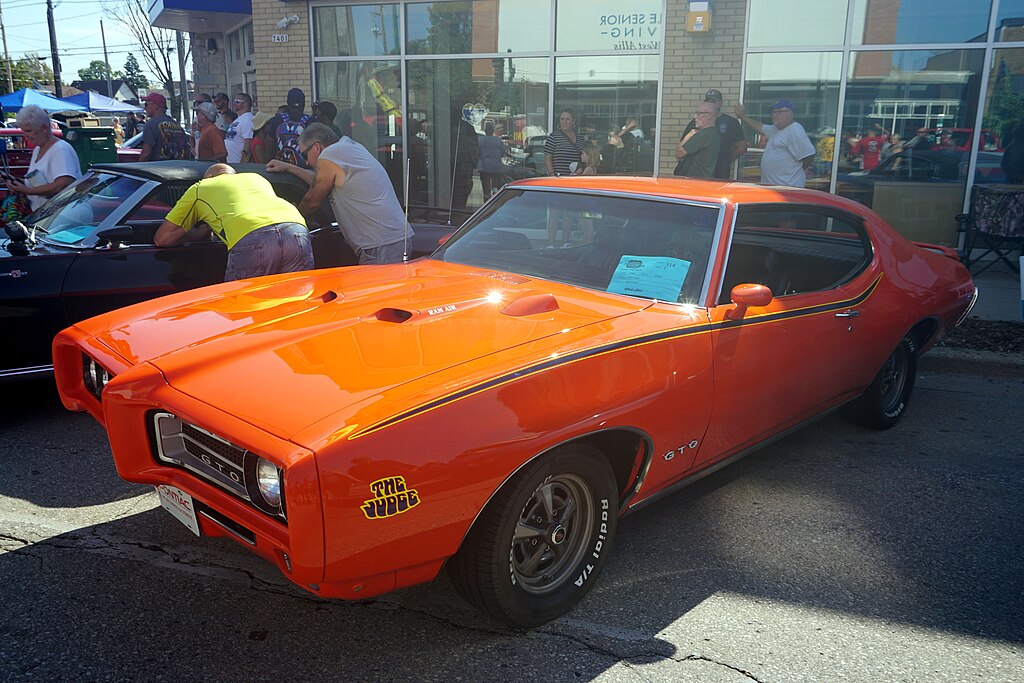
The second-generation Pontiac GTO marked a dramatic evolution in muscle car design and performance. From 1968 to 1972, these cars combined sophisticated styling with raw power, creating some of the most memorable and sought-after muscle cars ever produced. This era saw the introduction of the legendary GTO Judge and continued innovation in both design and performance technology.
1968: A Bold New Direction
The 1968 redesign represented a complete departure from the previous generation’s styling. Gone were the stacked headlights and linear design, replaced by a curvaceous body that perfectly captured the late ’60s zeitgeist. The most significant innovation was the revolutionary Endura front bumper, a body-colored flexible material that could withstand minor impacts without damage.
Key Features of the 1968 Model
The completely redesigned GTO showcased Pontiac’s commitment to innovation and style. The car’s fresh appearance was matched by mechanical improvements that enhanced both performance and drivability. Notable features included:
- Revolutionary Endura front bumper system
- Hidden headlights with vacuum-operated doors
- Redesigned interior with updated dashboard
- Standard 400 cubic-inch V8 engine (350 hp)
- Optional ram air induction system
- New handling package with improved suspension geometry
1969: The Judge Arrives
Perhaps the most significant year in GTO history, 1969 saw the introduction of “The Judge” package. Originally conceived as a budget muscle car to compete with the Plymouth Road Runner, The Judge evolved into the ultimate GTO, featuring distinctive styling and enhanced performance.
The Judge Package
This legendary option transformed the GTO into one of the most recognizable muscle cars ever created. The Judge wasn’t just about appearance—it represented the pinnacle of Pontiac performance engineering:
- Distinctive striping and Judge decals
- Standard Ram Air III engine (366 hp)
- Optional Ram Air IV engine (370 hp)
- Rear spoiler
- Rally II wheels without trim rings
- Choice of bold colors including “Carousel Red”
1970: Peak Performance
The 1970 model year represented the performance peak of the GTO line. While maintaining the successful styling of the previous years, Pontiac focused on mechanical improvements and power delivery.
Technical Innovations
This year brought several significant mechanical updates that enhanced the GTO’s performance capabilities:
- New 455 cubic-inch V8 engine option
- Improved Ram Air IV package
- Vacuum-operated exhaust system
- Updated suspension tuning
- Enhanced brake system
- Revised transmission options
1971-1972: Changing Times
These final years of the second generation reflected the changing automotive landscape. Despite increasing emissions regulations and rising insurance costs, Pontiac maintained the GTO’s performance image while adapting to new requirements.
Adapting to Change
The early ’70s brought significant challenges to the muscle car segment, but Pontiac responded with innovative solutions:
- Lower compression ratios for unleaded fuel
- Enhanced emissions control systems
- Improved fuel economy options
- More luxurious interior appointments
- Focus on handling improvements
- New safety features
Performance Specifications
Engine Options Through the Years
The second-generation GTO offered some of the most powerful engines of the muscle car era:
1968-1969:
- 400 V8 Standard: 350 hp
- 400 Ram Air III: 366 hp
- 400 Ram Air IV: 370 hp
1970:
- 400 V8: 350 hp
- 455 V8: 360 hp
- Ram Air IV: 370 hp
1971-1972:
- 400 V8: 300 hp
- 455 V8: 325 hp
- 455 HO: 335 hp
Collector’s Guide
Most Valuable Configurations
Second-generation GTOs offer some of the most desirable muscle cars for collectors. Certain combinations stand out for their rarity and performance:
- 1969 Judge convertible with Ram Air IV
- 1970 Judge with 455 HO engine
- 1971 Judge (final year)
- Any Ram Air IV equipped model
- Convertibles with high-performance options
- Original, numbers-matching cars
Investment Considerations
When evaluating a second-generation GTO, pay particular attention to:
- Authentication of Judge packages
- Numbers-matching verification
- Original color combinations
- Documentation and build sheets
- Restoration quality
- Production numbers for specific configurations
Restoration Guidelines
Restoring a second-generation GTO requires attention to several key areas:
- Endura bumper restoration or replacement
- Hidden headlight system rehabilitation
- Proper Judge stripe reproduction
- Correct engine specifications
- Interior material authenticity
- Proper documentation verification
Market Values
Second-generation GTOs command strong prices in today’s market:
- Standard Coupes: $35,000-$75,000
- Convertibles: $65,000-$125,000
- Judge Hardtops: $75,000-$150,000
- Judge Convertibles: $200,000-$400,000
- Ram Air IV cars: Premium of 50-100%
Historical Impact
The second-generation GTO, particularly The Judge, represents the peak of the muscle car era. These cars combined stunning styling with unprecedented performance, creating some of the most memorable automobiles of the period. Their influence on automotive design and culture continues to resonate today.
Legacy
Today, second-generation GTOs stand as some of the most collectible muscle cars ever produced. Their combination of innovative design, powerful performance, and cultural significance makes them highly sought after by collectors and enthusiasts alike. The Judge, in particular, remains one of the most recognizable and desirable muscle cars ever created.
Explore More GTO History
Ready to dive deeper into the world of second-generation GTOs? Discover more detailed information about specific models, restoration tips, and market trends throughout our site. Join our active community of classic car enthusiasts on Facebook <- Click here or search for “Classic Cars Online US: Classic Cars for Sale” to connect with fellow classic car, muscle car, and GTO enthusiasts – share your restoration stories, find your dream muscle car, or showcase your own piece of automotive history. The world of classic GTOs is waiting for you!


