
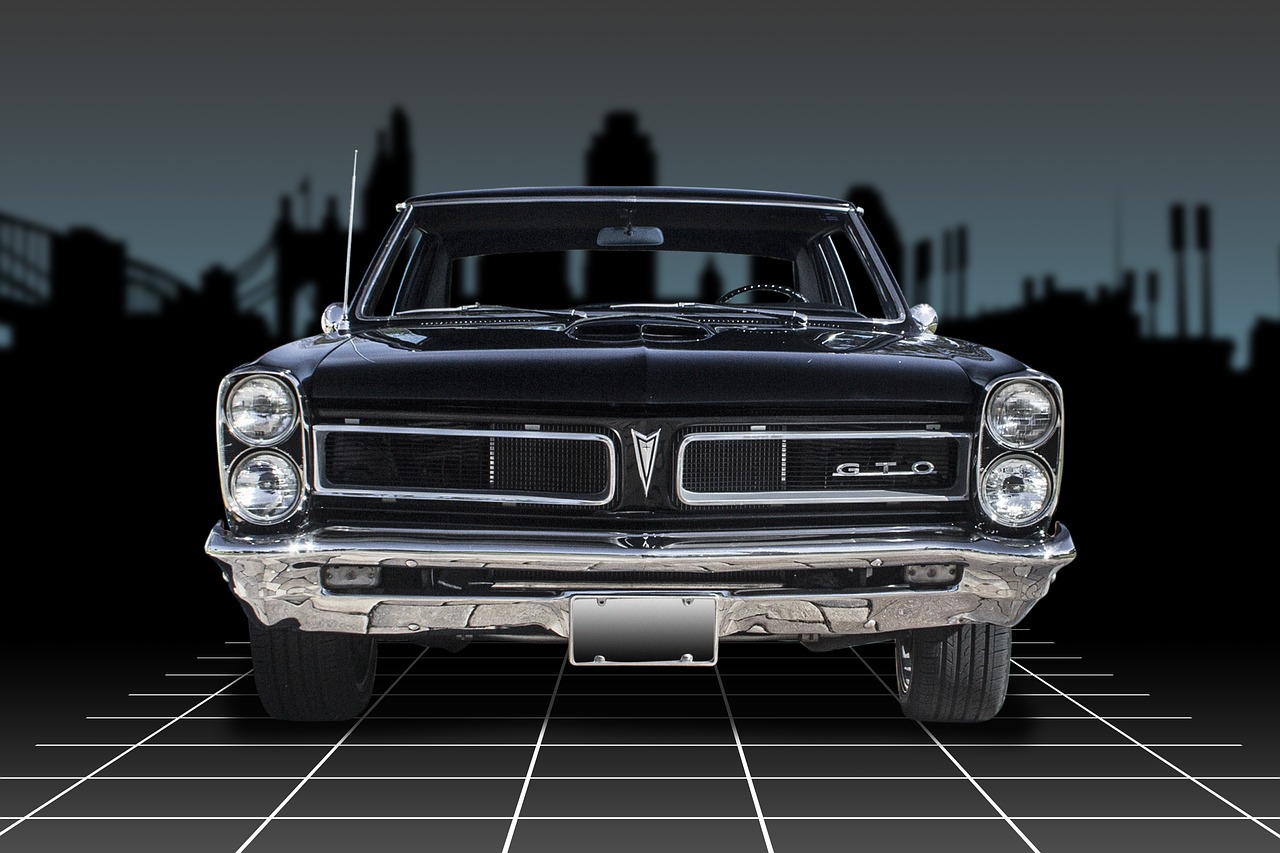
American Muscle Cars: Raw Power Meets Classic Style
The American muscle car represents a unique chapter in automotive history, combining raw horsepower with bold styling to create some of the most iconic vehicles ever to hit the streets. Born in the 1960s during an era of prosperity and pushing boundaries, muscle cars captured the imagination of speed enthusiasts and continue to hold a special place in car culture today.
What Makes a Muscle Car?
At its core, a muscle car is defined by a simple but powerful formula: take a lightweight, mid-size car body and add the biggest, most powerful engine that will fit under the hood. This combination created vehicles that delivered incredible straight-line performance at a relatively affordable price point, making high-performance driving accessible to everyday Americans.
The classic muscle car era is generally considered to span from 1964 to 1972, though the roots of these high-performance vehicles can be traced back for decades, when returning WWII veterans began modifying their cars for increased speed and power.
Key Characteristics
True muscle cars share several defining features that set them apart from other performance vehicles:
- A powerful V8 engine, typically displacing 400 cubic inches (6.6L) or more
- Rear-wheel drive configuration for optimal power delivery
- Two-door design, though some four-door models were produced
- Focus on straight-line acceleration and quarter-mile performance
- Aggressive styling with bold colors and striking graphics
- Affordable pricing compared to traditional sports cars
The Big Three and Their Icons
Each of America’s major automotive manufacturers contributed significantly to the muscle car era, creating legendary vehicles that continue to inspire enthusiasm and command high prices among collectors today.
General Motors
GM’s contributions to the muscle car era came through multiple divisions, with Chevrolet, Pontiac, and Oldsmobile all producing iconic models. The Pontiac GTO, often credited as the first true muscle car, set the template that others would follow. Chevrolet’s Chevelle SS and Camaro, along with Oldsmobile’s 442, demonstrated GM’s commitment to high performance across its brands.
Click here to visit the GM Muscle Car page here on Classic Cars Online US.
Ford
Ford’s entry into the muscle car scene was marked by the introduction of the Mustang in 1964, which, while technically creating the “pony car” subcategory, quickly evolved to include true muscle car variants like the GT350 and GT500. The Torino GT and Fairlane GT provided Ford’s mid-size muscle car offerings, competing directly with GM and Chrysler’s entries.
Click here to visit the Ford Muscle Car page here on Classic Cars Online US.
Chrysler
Chrysler Corporation’s Dodge and Plymouth divisions created some of the most powerful and outrageous muscle cars of the era. The Plymouth Road Runner and GTX, along with the Dodge Charger and Challenger, featured some of the most powerful engines of the period, including the legendary 426 Hemi.
Click here to visit the Chrysler Muscle Car page here on Classic Cars Online US.
Legacy and Modern Revival
While the original muscle car era ended in the early 1970s due to rising insurance costs, stricter emissions regulations, and the fuel crisis, the spirit of these vehicles lives on. Modern manufacturers have revived many classic nameplates, creating contemporary versions that combine classic styling cues with modern technology and performance capabilities that far exceed their predecessors.
Today, original muscle cars are highly sought after by collectors and enthusiasts, with rare models commanding prices that would have been unimaginable during their initial production. Their influence continues to be felt in automotive design and culture, serving as a reminder of a unique period in American automotive history when performance was king and the only limit was how much power could be packed under the hood.
Whether you’re a longtime enthusiast or new to the world of classic cars, muscle cars represent an essential chapter in automotive history. Explore our detailed guides on Ford, GM, and Chrysler muscle cars to learn more about specific models and their unique contributions to this legendary category of American performance vehicles.
Muscle Cars 101: Power, Performance, and History Unleashed
Spec Sheet Information on the 1968 Plymouth Road Runner
Muscle Cars: Cars With an Attitude
American Beauties – Muscle Cars
Muscle Cars (What Does the Word Muscle Have to Do With a Car?)
History of Muscle Cars in America
A Small History Behind a Big Car: The Muscle Car
Muscle Cars: The “Super Cars” of the Earlier ’60s and ’70s
The History of Racing Stripes and Some Interesting Facts
Fast Cars: The American Muscle
The Best of American Muscle Cars
The Twenty Fastest Muscle Cars
Classic Cars: The Best Muscle Cars
Muscle Cars Versus Sports Cars
Is Your Muscle Car Cool Enough?
Popular Muscle Cars That Make Your Heart Beat Fast
Muscle Cars: For the Thrill Seeker in You
Muscle Cars, Like Dinosaurs, Once Ruled the Earth
Find Out About Limited Editions and Famous Classic Cars Collectibles
Star Cars: Pre-Owned Movie and TV Cars
Chrome Plating Your Car Parts 1, 2, 3
5 Things to Review When Your Muscle Car Restoration is Nearing Completion
High-Quality Oil Changes: The Key to Better Engine Performance!
Buying and Selling Muscle Cars
Muscle Cars for Sale – The Art of Finding a Bargain
Project Muscle Cars for Sale – How to Get Started on Fixing Old Power Cars
VIN Number Decoding for Classic Muscle Cars
Unconventional Wisdom for the Collector Car Enthusiast
Getting Your Muscle Car Transported
Muscle Car Projects
Muscle Car Restoration: What it Can Do for You
Professional Muscle Car Restoration vs Do it Yourself Restoration
Performance Brakes for Muscle Cars
In Search for 1967 Chevelle Parts
Easily Buy Ford Falcon Spare Parts Using the Internet
Part of the reason Classic Cars Online US exists is to help connect classic car buyers and sellers, and we’ve added several ways for you to connect — visit and like this site’s Facebook page, the Best Classic Cars for Sale Online page or join the Classic Cars Online: Classic Cars for Sale group if you are looking to buy or sell muscle cars.