
Originally published April 8, 2016|Updated October 18/2026
Muscle cars and sports cars share a love of performance, but they approach it in different ways. Muscle cars are known for powerful engines and strong straight-line acceleration. Sports cars put greater emphasis on handling, balance, and driver control.
The distinction isn’t always clear-cut. Some cars combine traits from both categories, and enthusiasts don’t always agree on where one category ends and another begins. Still, understanding the main differences makes it easier to appreciate what each type of car brings to the road.
What Is a Muscle Car?
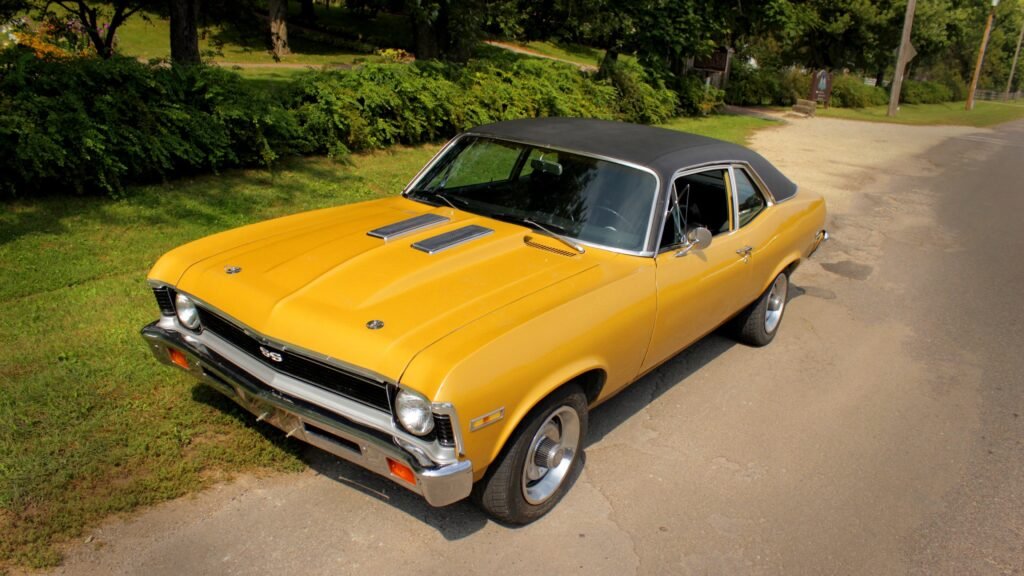
A classic American muscle car typically combines a powerful V8 engine with a relatively affordable production car platform. These cars became especially popular during the 1960s and early 1970s, when American automakers competed to deliver more horsepower and acceleration.
Muscle cars often featured bold styling, long hoods, wide tires, and engine options designed to deliver strong performance. Many were based on everyday production cars, giving buyers access to impressive power without the price of an exotic automobile.
Common characteristics include:
- Powerful engines: Many classic muscle cars used high-performance V8 engines.
- Strong acceleration: Their engines and drivetrains were designed to deliver substantial power, particularly in a straight line.
- Rear-wheel drive: This was common among classic American muscle cars.
- Bold styling: Wide stances, long hoods, hood scoops, and racing stripes helped distinguish performance models.
- A connection to American car culture: Muscle cars became closely associated with drag racing, cruising, and the competition between Detroit automakers.
Examples include the Pontiac GTO, Chevrolet Chevelle SS, Oldsmobile 442, and Plymouth Road Runner.
The Pontiac GTO is especially important to this story. Introduced for 1964, it helped establish the formula of putting a powerful engine into a midsize American car. You can learn more in our guide to the first-generation Pontiac GTO.
What Is a Sports Car?
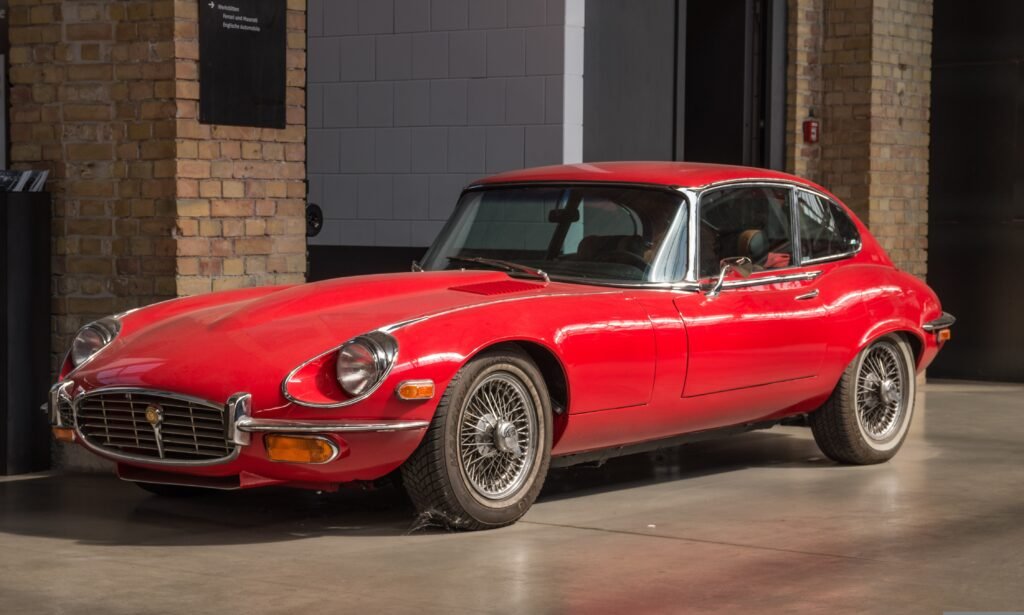
A sports car is designed to deliver an engaging driving experience, with particular attention to handling, steering response, and performance. Many sports cars are lightweight, compact, and built to feel composed when cornering.
Unlike the traditional American muscle car, a sports car doesn’t need a large V8 engine to fit the category. Sports cars have used four-cylinder, six-cylinder, and eight-cylinder engines, depending on the model and its purpose.
Common characteristics include:
- Responsive handling: Steering and suspension systems are designed to help the driver control the car through corners.
- Balanced performance: Power, weight, braking, and chassis design work together to create an engaging driving experience.
- A variety of engine layouts: Sports cars can use front-, mid-, or rear-mounted engines.
- Two-seat or 2+2 layouts: Many have two seats, while some offer a small rear seat.
- Coupe and convertible body styles: Both are common among classic sports cars.
Examples include the Jaguar E-Type, Porsche 356, Mercedes-Benz 300SL, and Chevrolet Corvette.
Sports cars come from many countries and automotive traditions. European manufacturers helped establish the classic sports car’s reputation for agility and precision, while the Corvette became one of America’s best-known sports cars.
For more examples, explore our classic sports cars collection.
Muscle Cars vs. Sports Cars: Main Differences
Although both categories offer performance and driving excitement, their traditional priorities are different.
| Feature | Classic Muscle Car | Classic Sports Car |
|---|---|---|
| Main performance focus | Strong acceleration and engine power | Handling, balance, and driver control |
| Typical engine | Often a powerful V8 | Four-, six-, or eight-cylinder engines |
| Vehicle size | Often midsize, sometimes larger or smaller | Often compact or relatively lightweight |
| Seating | Frequently accommodates four or more people | Often two seats or a 2+2 layout |
| Driving character | Strong straight-line performance | Responsive cornering and road feel |
| Common body styles | Primarily coupes, with some other body styles | Coupes and roadsters are common |
| Classic examples | Pontiac GTO, Chevelle SS, Plymouth Road Runner | Jaguar E-Type, Porsche 356, Chevrolet Corvette |
These are general patterns, not absolute rules. Automakers have built exceptions to nearly every characteristic listed here.
Engine Power vs. Handling
One of the easiest ways to understand the difference is to consider how each type of car delivers its performance.
Muscle Cars: Power and Acceleration
Classic muscle cars were built to make a strong impression when the driver pressed the accelerator. Their powerful engines delivered the kind of acceleration that made them popular with performance enthusiasts.
Many muscle cars also became familiar sights at drag strips, where straight-line acceleration is the main attraction. Their broad shoulders, aggressive styling, and distinctive engine sounds became part of their appeal.
That doesn’t mean muscle cars can’t handle curves. Suspension design, tires, brakes, and later performance upgrades can make a major difference. However, traditional muscle cars generally placed greater emphasis on engine power than on lightweight construction and cornering precision.
Sports Cars: Balance and Control
Sports cars take a more balanced approach to performance. Rather than relying on engine size alone, their designers consider how the car steers, brakes, changes direction, and responds to the driver’s input.
Weight distribution, suspension geometry, tire grip, and chassis stiffness can all influence how a sports car behaves on a winding road.
A sports car doesn’t have to produce enormous horsepower to be exciting. A light, well-balanced car can deliver an engaging drive even with a smaller engine.
Why the Two Categories Sometimes Overlap
The distinction between muscle cars and sports cars isn’t always straightforward.
Some muscle cars received sophisticated suspension and braking upgrades. Some sports cars have large, powerful engines. Modern performance cars can combine impressive acceleration with sharp handling, making traditional labels less useful.
The Ford Mustang and Chevrolet Camaro are good examples of why classification can become complicated. Both belong to the pony car tradition, which developed around relatively compact, sporty American cars with long hoods and short rear decks. High-performance versions also share some characteristics with traditional muscle cars.
The Chevrolet Corvette presents a different case. It is generally classified as an American sports car, even though some versions offer powerful V8 engines and tremendous acceleration.
Rather than judging a car by engine size or appearance alone, consider its design, intended purpose, and overall driving characteristics.
Which Is Right for You?
The best choice depends on what you enjoy about driving.
A classic muscle car may appeal to you if you love:
- The sound and character of a powerful V8.
- Strong acceleration and straight-line performance.
- Bold American styling.
- The history of Detroit’s performance-car rivalry.
- A car that makes a statement at shows and cruise-ins.
A classic sports car may suit you better if you prefer:
- Responsive steering and precise handling.
- A lighter, more agile driving experience.
- Distinctive European or American sports car design.
- Winding roads and spirited driving.
- A car whose appeal extends beyond engine power alone.
Of course, these preferences aren’t mutually exclusive. Plenty of enthusiasts appreciate both categories for different reasons.
What About Price and Ownership Costs?
Neither category is automatically cheaper to buy or own.
Some classic muscle cars were originally marketed as affordable performance vehicles, but rare engines, desirable options, documented originality, and collector demand can make certain examples expensive today.
Classic sports cars also span a wide range of prices. A model’s rarity, condition, history, restoration quality, and parts availability can all affect its value.
Before buying either type, consider more than the asking price. Older performance cars may need specialized maintenance, replacement parts, brake work, suspension repairs, or engine rebuilding.
If you’re shopping for a classic, research the specific model and year, inspect the vehicle carefully, and verify important claims about originality and condition. A well-maintained example with documented history may be a better purchase than a cheaper car with hidden problems.
Muscle Cars and Sports Cars: Two Different Approaches to Performance
Muscle cars and sports cars both have a special place in automotive history. The traditional muscle car celebrates powerful engines, acceleration, and bold American styling. The sports car emphasizes handling, balance, and the connection between driver and machine.
Neither approach is inherently better. Each reflects a different idea of what makes a car exciting.
Whether you prefer the thunder of a classic V8 or the precision of a nimble sports car, the most rewarding choice is the one that matches your interests and the kind of driving experience you value.